Tree Removal Cost in Cambria: A Job Priced Line by Line
Quick answer: Tree Removal Cost in Cambria: A Job Priced Line by Line — Removing a tree is planning before it is cutting: where the wood lands, what is under it, whether a rope or a crane takes the weight, and what is left when the crew drives away. A removal is finished when the drop zone is clear and the stump is dealt with, not when the trunk hits the ground.
Field note. What we see here is that access decides the price more than height does: a pine over a fence on a slope with no driveway costs more to take down safely than a taller tree with a clear drop, and the plan is where that shows up.
On the other hand, removal is not the only safe answer — a tree with one failing limb, or a lean that can be corrected by reduction, is often better kept and managed than gone.
Nobody quotes a tree job the way the job is actually built. It is four things: hours, machine time, disposal, and the risk premium that comes with the particular tree. Only two of those four are visible on the one-line estimate most homeowners collect.
Which is why two quotes for the same tree can differ by a factor of three and both can be honest — they are pricing different jobs, or they are pricing the same job with different amounts of the work not yet thought through.
Hours, and why the number is not the tree’s height
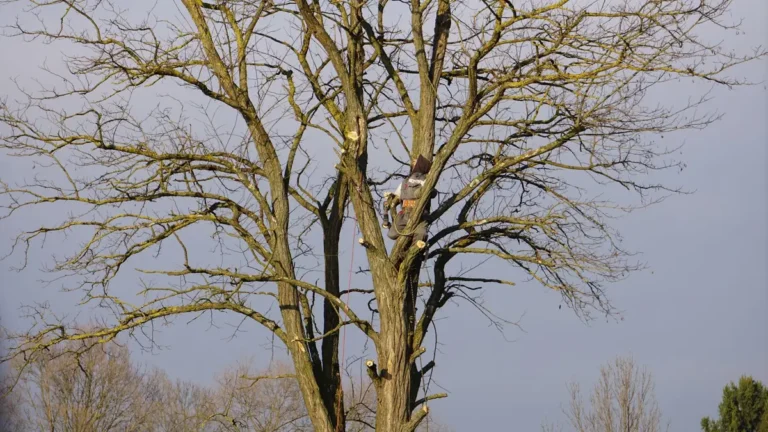
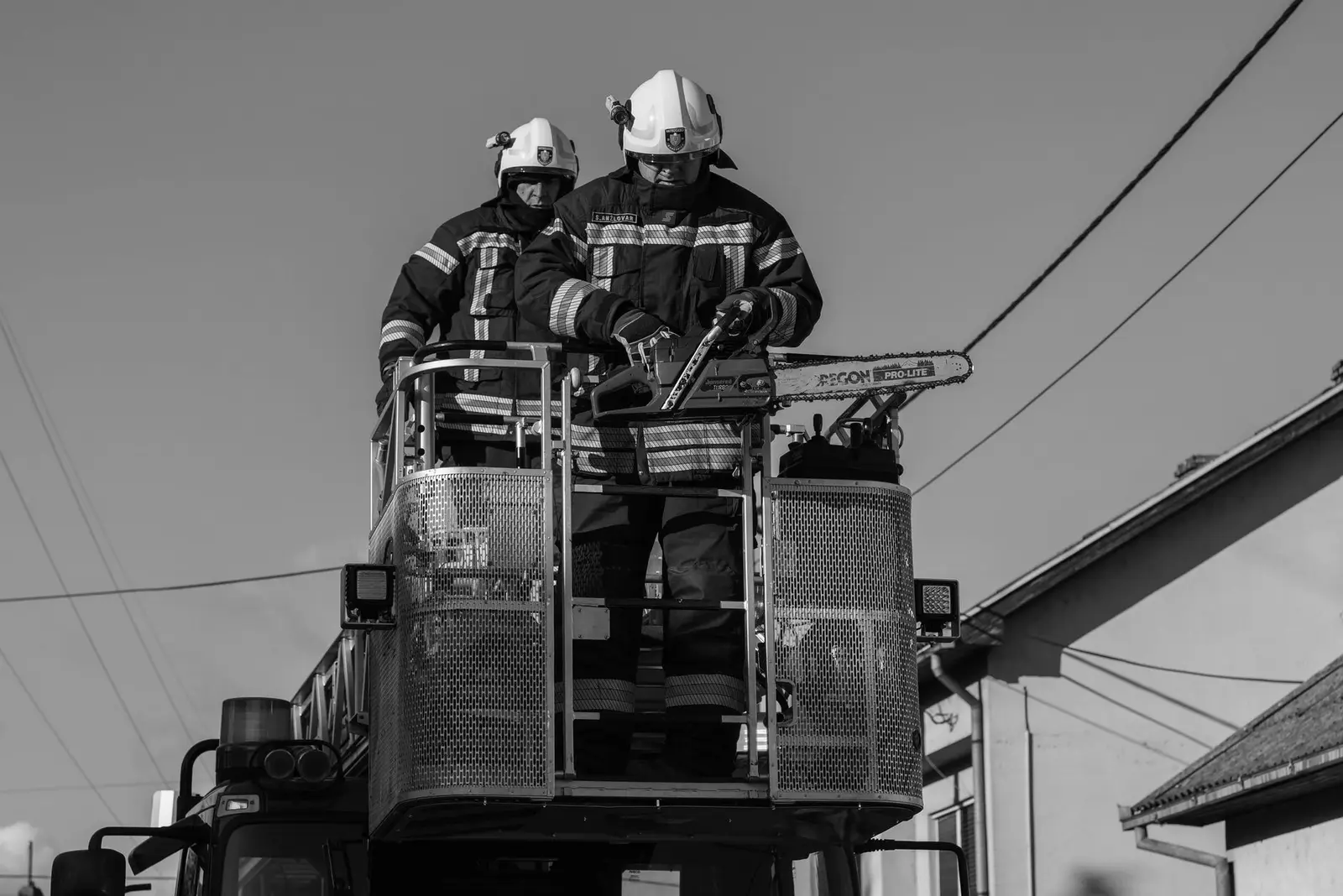
The driver of hours is not height. It is access. A tree standing free on open ground can be felled in an hour. The same tree behind a fence, over a septic field, between a house and a property line, with a service drop on the wrong side, is a rigging job: every piece lowered on a rope by a climber while a ground crew works a lowering device, which is four to ten times the labour.
That is the real answer to the question everyone asks — why the neighbour got the same tree for a third of the price. The neighbour’s tree could fall where it stood.
A fair estimate therefore names the people and the shape of the day. Two climbers and two ground crew for one long day is a different number from one climber and a helper for a morning, and once you know which one you are buying, the quotes can be compared.
Machine time, which is real money per hour
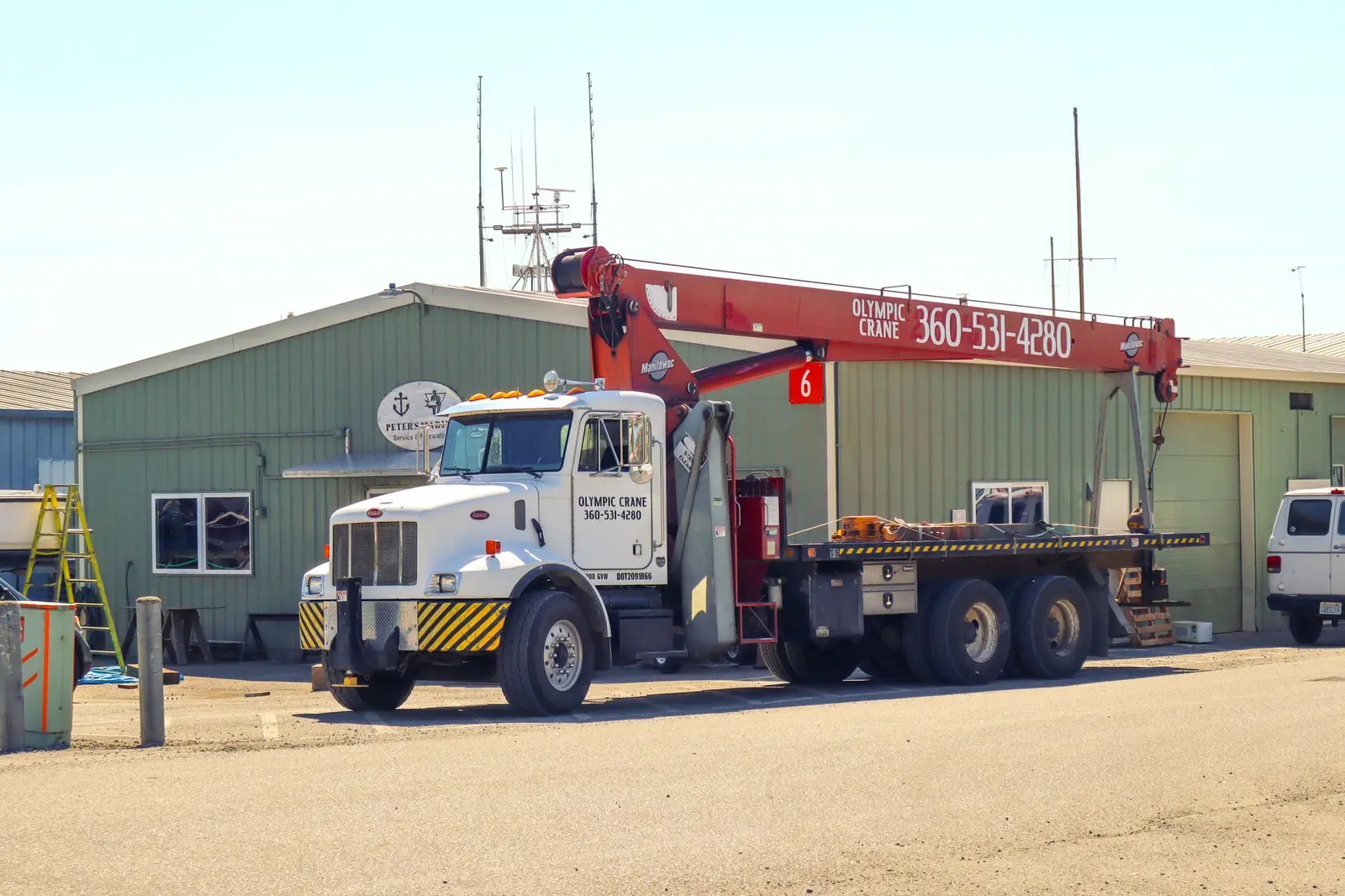
A chipper, a stump grinder and a crane are rented by the day or owned with a maintenance bill, and each carries an hourly cost that has to land in the price. A crane lifts a big pine out of a tight lot in a morning and can be the cheapest way to do the hardest job — if the truck can reach the tree and there is room to set up.
A stump grinder has to fit through whatever gap gets it to the stump; if it cannot, the stump is dug, and digging is by hand. When a quote is oddly low for a job that looks hard, the missing line is usually machine time somebody intends to skip.
Disposal, which is where small jobs go wrong
Everything that comes off the tree either leaves the property or stays on it, and that difference is a real cost: chips, firewood, debris. On a large removal the haul-off can be several truckloads, and a load of green wood is heavy. This is why a quote that says removal and leaves the wood is not a discount on a smaller job; it is a different job, and you have agreed to become the disposal site.
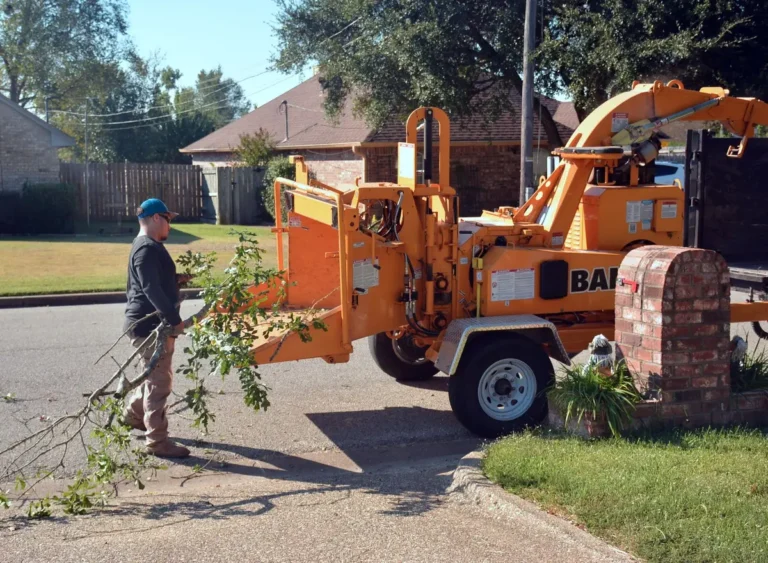
The machine’s own appetite also decides the schedule. A chipper is built for branches and will not swallow a trunk section it cannot take. Large wood is cut and loaded instead, which is slower and heavier, and that difference is measured in hours rather than minutes.
The risk premium, which nobody itemises and everybody pays
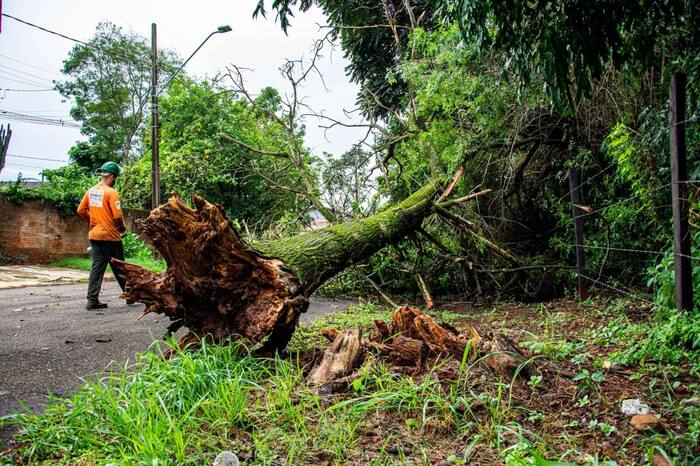
The fourth line is the honest one. Two identical trees — one in a field, one leaning over a roof with a crack in the trunk — are not the same price, because one of them requires a plan for a failure and the other does not. That premium pays for the climber’s experience, the rigging equipment, the insurance standing behind it, and the time spent deciding how the tree comes apart before anybody climbs.
A quote that ignores it is not cheaper. It has simply moved the cost somewhere you will find later, in a deductible or a repair.
Four questions sort estimates faster than comparing totals. What exactly comes off the property. How the wood is handled, and what the stump grinding includes — depth, grindings, and whether it is measured from the ground or from the top of the flare. Who is on site, and how many of them. And what the plan is if the unexpected happens; a company that answers that one without pausing has done the thinking the price is supposed to buy.
Two local pieces of arithmetic are worth knowing. The wind decides the schedule here, so a job quoted for a morning can become a day if the afternoon breeze arrives early — a fair bid leaves room for that, and it is the honest reason a fixed price on this coast carries a little slack.
And a tree that has died standing is cheaper to take down now than in two years: brittle wood, a settled root plate and a bigger target all cost more. The cheapest removal is the one scheduled before the tree decides.
Our pricing page explains how we build a number, the removal page shows what a rigging job involves, and when a tree comes out because of a defect, the assessment is what tells us — and you — why, in writing.