Signs of Bark Beetle Infestation: The Beetle You’re Seeing
Quick answer: Signs of Bark Beetle Infestation in Pine and Oak — Most tree trouble on the Central Coast is identified before it is treated: a borer, a canker and a drought-stressed root system can look the same from the ground, and each has a different answer. Diagnosis is the first cut — host, sign and season — and the least-toxic control that fits comes after it.
Field note. What we see on this coast is that the tree under fog is often the healthier one and the tree on a hot exposed edge is the one that gets hit — stress is the invitation, and the coast hides it well.
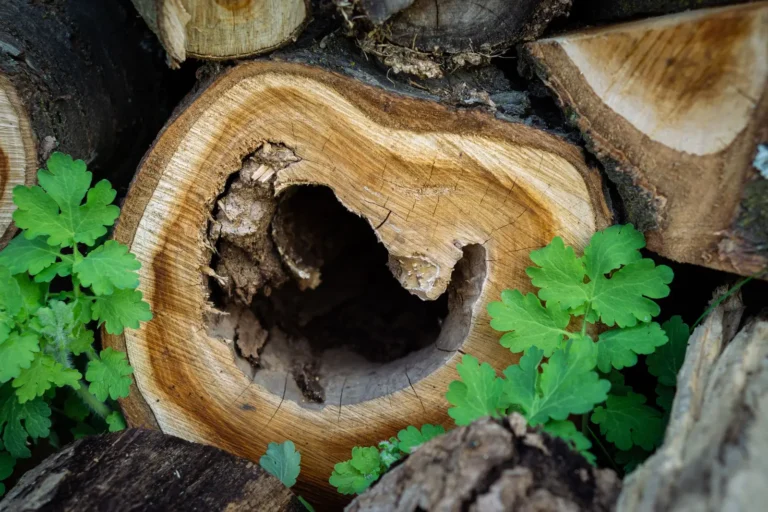
On the other hand, treatment is not always the kindest answer: for a hazard tree with internal decay, careful removal protects the neighbours, and replanting does more for the site than a season of injections.
A bark beetle is smaller than a grain of rice. That single fact is the whole problem: by the time a homeowner can see what is happening, a pine on this coast has usually been under attack for weeks, and the evidence is a set of entry holes, tunnels and bleeding pitch spots that only make sense once you know what made them. The correction I have to make most often is about order.
The beetle is rarely the first event. It is usually the second, arriving into a tree that drought, soil compaction or a root injury already drained.
What the tree does first
A pine defends itself with resin under pressure. When a beetle lands and bores, the tree bleeds: a pitch tube, pale to reddish, or a small cone of resin at the entrance hole, is the tree’s own immune response caught in the act. A few tubes on a vigorous pine in a dry June are a normal exchange. What matters is how many, how high, and for how long.
When the attack succeeds, the beetles come in numbers — hundreds of individuals arriving within days — and the tree runs out of resin to push out. That is the moment the outcome is decided, and it happens out of sight, underneath the bark.
Which is why the honest answer to a tree that has already lost its crown is that watering, feeding and pruning will not bring it back. The tissue that moves water sits in a thin ring immediately under the bark, and a successful mass attack cuts it. A tree that cannot move water cannot be treated into competence, no matter what is poured on the soil.
Which beetle, on this coast
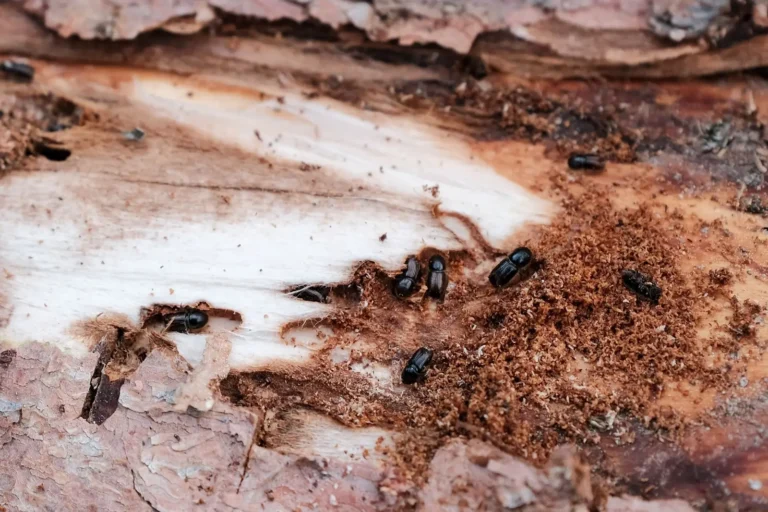
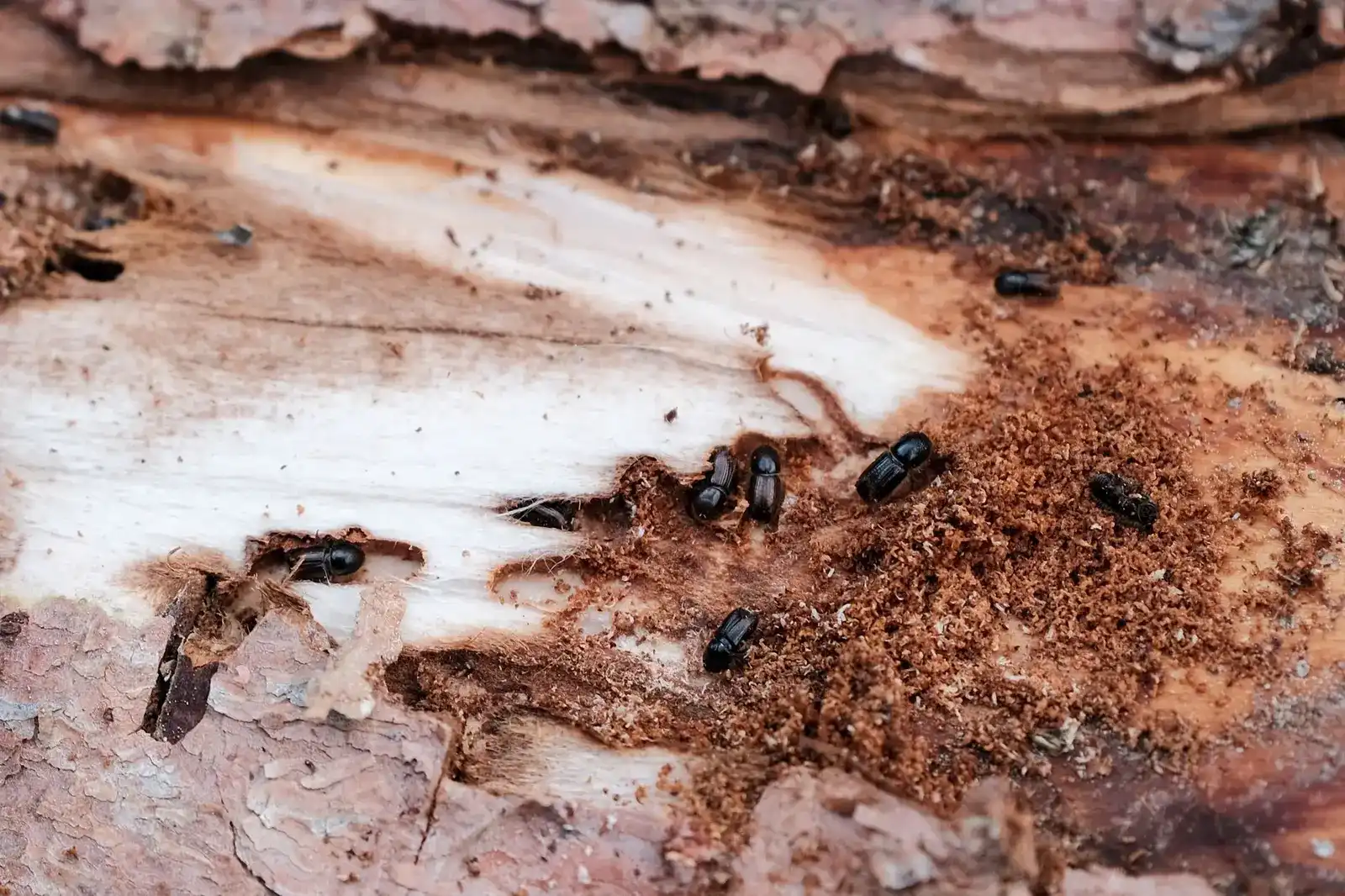
There is more than one, and the species changes the answer. On Monterey pine the western pine beetle is the one that matters. On other conifers here you will meet the engraver beetles, working the same way with a different appetite. In oak you will find ambrosia beetles in wood that was already compromised — they are usually a symptom of a tree that had a problem before they arrived. Entry holes are barely wider than a pencil lead.
The tunnels themselves — the galleries everybody pictures when they say bark beetle — run between the bark and the wood, and you cannot see them from the outside. You can only see the symptoms.
Those symptoms arrive in a sequence, and the sequence is the diagnosis. First: pitch tubes on the lower and middle trunk. Then fine reddish-brown dust, called frass, in the crevices of the bark and on the ground at the base, which is the beetle pushing wood out as it chews.
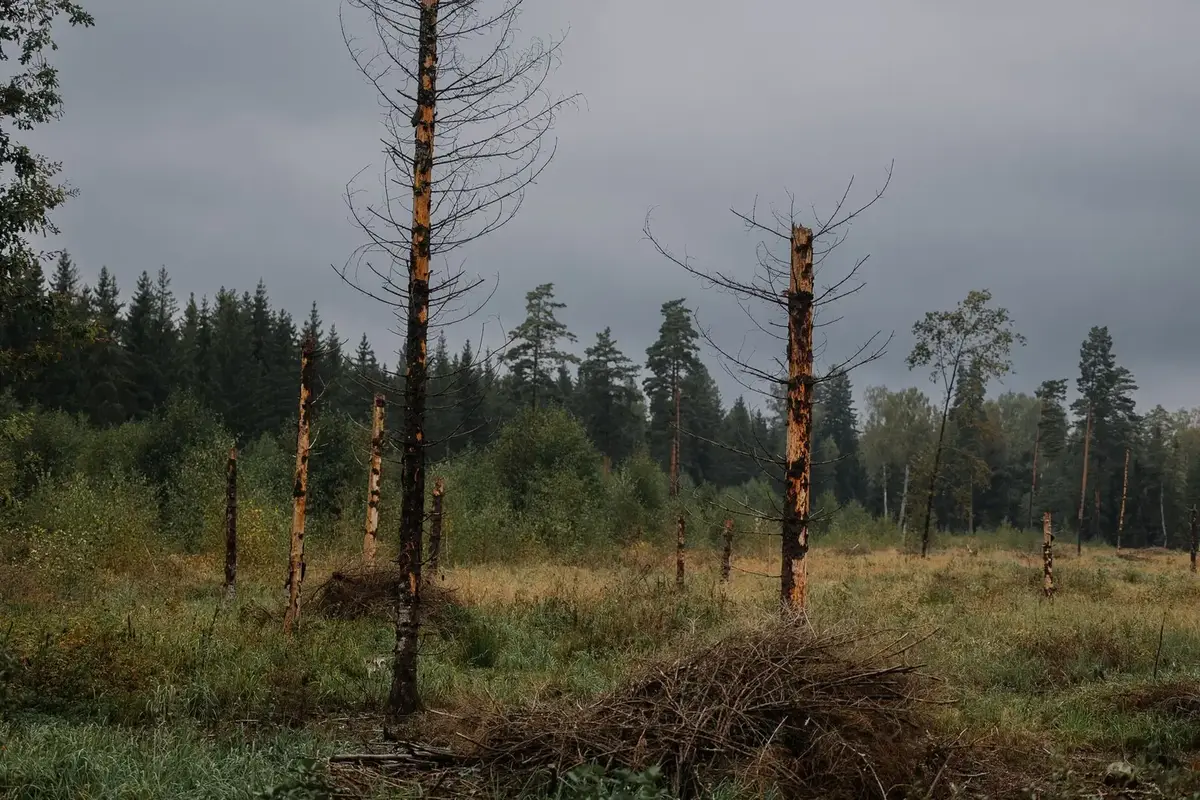
Then the crown fades — on a pine the needles go from green to olive to grey-brown, from the top down and from the outer tips inward, because the water column to the top is the first thing a girdled tree loses. Finally the needles drop, and by then the beetles have gone looking for the next tree.
The two things people get wrong
The first is the assumption that the beetle will now eat the house. Bark beetles do not eat frame lumber, furniture or cabinets, and they will not tunnel into your walls. They emerge from infested firewood and from dying trees, and the one real indoor risk is bringing infested wood inside where it can finish its development in a warm room.
Practical consequence: do not stack pine firewood against the wall, under a window or in the garage, and if a stack starts pushing out fresh dust and small holes, burn it or take it off the property rather than moving it to the shed.
The second is waiting. An infested tree that dies standing beside a driveway, a service drop or a house becomes a removal on the tree’s schedule instead of yours. A dead pine loses strength in a specific pattern — the roots and the lower trunk hold longest, the brittle upper wood fails first — and the risk question is the one we ask about any tree: what is underneath it, and how often is somebody there.
What to do with the tree you have
Three jobs, and none of them is spraying. First, identify: is this beetle damage, or is it one of the two lookalikes we see most on this coast — pitch canker, a fungus that kills branches and bleeds resin in much the same places, and the canker that takes cypress.
The difference changes the recommendation, and it is worth ten minutes with someone who can read a lesion rather than a photograph of one. A tree inspection is the right visit for that question; a pruning quote is the wrong one.
Second, decide on the tree. Is it safe to leave standing, and if not, when does it come down? That is a risk question with a written answer and a time frame, which is what an insurer or a buyer will ask for — see tree risk assessment. And if the answer is removal, it is a removal planned around brittle wood, not around a dropping cut, which changes the crew, the rigging and the price.
Third, dispose of the wood in a way that ends the cycle. Chipping, burning, or hauling it off the property all work. Leaving it stacked beside the house does not, and a dead pine left standing nearby is the same trap in a taller shape.
What actually prevents the next one
Since the beetle finds the tree you weakened, prevention is not about the beetle at all. It is irrigation that reaches the root zone without soaking the trunk, mulch that keeps the fine roots alive, and keeping machinery, grading and trenching off the roots of the trees you intend to keep.
On this coast the three most common ways a homeowner hands a pine to the beetle are a driveway widened over the root plate, a lawn converted to gravel, and a drought year nobody compensated for. Fix those and the beetle has far less to work with.