Two Fungi, One Confusion: Reading Oak Decline on the Coast
Quick answer: Coast Live Oak Decline: Two Fungi, One Confusion — Most tree trouble on the Central Coast is identified before it is treated: a borer, a canker and a drought-stressed root system can look the same from the ground, and each has a different answer. Diagnosis is the first cut — host, sign and season — and the least-toxic control that fits comes after it.
Field note. What we see on this coast is that the tree under fog is often the healthier one and the tree on a hot exposed edge is the one that gets hit — stress is the invitation, and the coast hides it well.
On the other hand, treatment is not always the kindest answer: for a hazard tree with internal decay, careful removal protects the neighbours, and replanting does more for the site than a season of injections.
When a coast live oak starts dying from the crown down, the diagnosis arrives almost immediately, and it is almost always incomplete. The tree is said to have “oak root fungus,” which is treated as a single sentence with a single answer. It is not. On the California coast there are two organisms doing the loudest work, they look nothing alike up close, and the difference changes both the prognosis and your next move.
The one with the conk
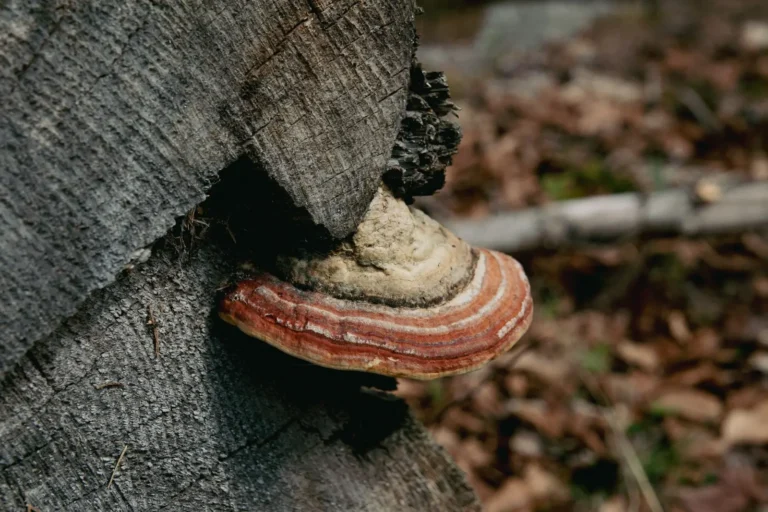
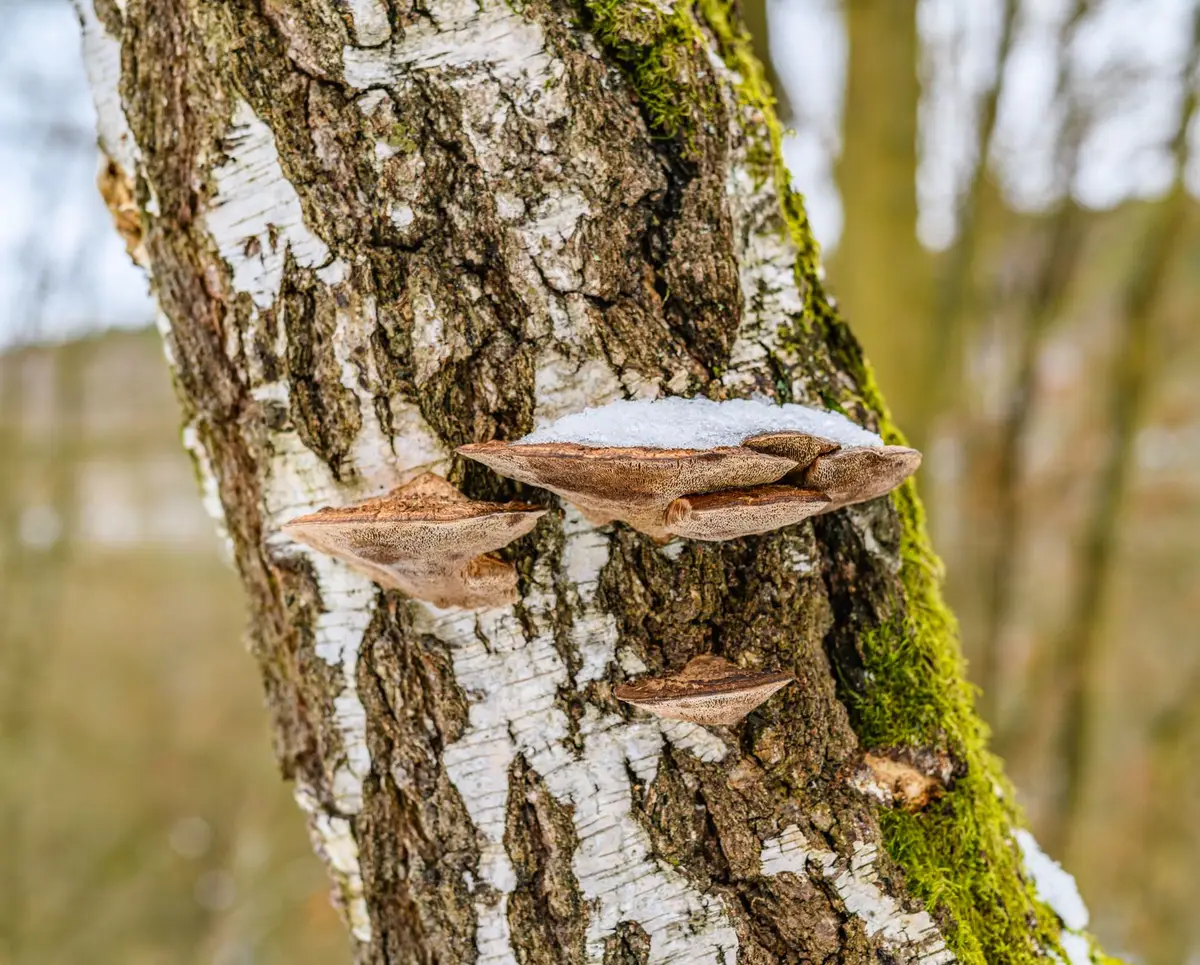
The first is Ganoderma – the shelf-or hoof-shaped conk that appears at the base of a declining oak, sometimes at soil level where it is easily missed. Its presence is not a symptom you manage; it is a structural statement. Where Ganoderma is fruiting on an oak, the wood beneath it is being consumed, and a tree whose base is being consumed can fail at the base. That is a different category of risk from a tree losing leaves.
The one without
The second is Phytophthora ramorum, the water mould behind sudden oak death. It does not necessarily fruit anything you can see. It causes bleeding cankers – dark, weeping patches on the bark, often several feet up – and it spreads on wet wind and in soil moved by people, boots and tyres. It has reshaped oak management across this coast, and it is the reason a plant bought from an infected nursery bed can carry trouble into a neighbourhood.
Both can be present in the same tree. Both are made worse by the same two things: soil that stays wet, and root zones that get compacted, cut or paved over. Neither is cured by a spray, a tonic, or a product that promises to “boost immunity.” I have read those labels. They are, without exception, selling a feeling.
What is actually worth doing
- Stop disturbing the root zone.No trenching, no re-grading, no parking on it, no piling soil at the base. Most of the decline I see has a shovel somewhere in its history.
- Fix the water.Drainage, not drought-stress, is what these fungi exploit. Route runoff away from the trunk.
- Do not move soil.Boots, tyres and potted stock move Phytophthora between properties. Clean tools between jobs, and never take soil from a tree you suspect.
- Get a real assessment.A conk or a bleeding canker is a fact, not a mood. It should be read by someone who will name the organism and the structural implication.
The safety lesson
A fungal conk at the base of an oak is a warning about the base of the oak. Trees killed this way can fall without a wind event and without a warning creak, and the fall often goes the direction you would least expect because the hinge wood is gone.
Stay out of the drip line, do not build a shed under it, and do not attempt to remove or cut up a tree with a basal conk yourself. That is a rigging job with real forces in it.
The takeaway
Naming the fungus correctly is not academic. It decides whether you are managing a slow decline or standing next to a structural failure.
If you have found a conk, a bleeding patch, or a crown that is dying for no reason you can see, book a tree health inspection before you do anything else – and if the tree has to come down, that is safe removal work for a crew that rigs, not a mechanical problem to improvise. A little more about how we approach these
trees on the coast is on our own pages.