


A private drive or shared lane — usually the owners' responsibility up to the county or public right-of-way line, often with a shared maintenance agreement nobody can find.
Sightlines and Clearance on a Narrow Road
Roadway & Right-of-Way Clearance
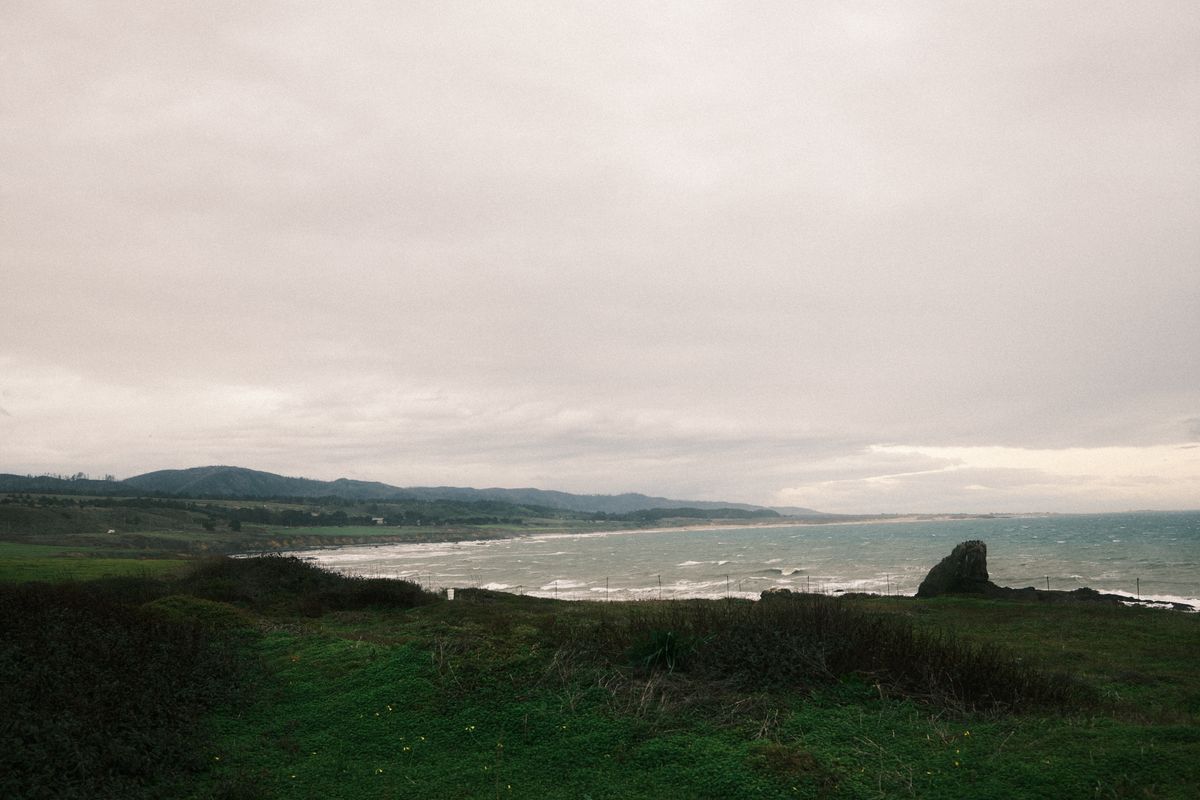
San Simeon — this is the coast these pages are about.
Quick answer: Roadway & Right-of-Way Clearance — Defensible space is the work that decides what a fire has to burn between the wildland and the house: dead material out, ladder fuels separated, and the tree you keep limbed up rather than removed. It is measured in zones from the structure, and the first few feet are the ones that matter most.
- Typical timing: Best done in the cool months so the debris is gone before the dry season; clearance rules apply year-round.
- What it involves: Removing dead and dying material, separating shrubs from low limbs, limbing trees near structures, and keeping the roof and gutters clear.
- The standard: Cal Fire's defensible-space guidance for the first 100 feet, applied to the trees a property actually has.
- Where we work: The wooded parts of Cambria, San Simeon, Harmony and the surrounding ranch country.
- Our own record: 503 pages and 291 stories published on this site. Counted from our own archive, not a stock table.
Field note. What we see on this coast that surprises people is how much of the fuel load is low: the limb at four feet and the brush beneath it carries fire into a canopy that would otherwise survive, so the work is often lifting rather than felling.
On the other hand, over-clearing has its own cost — bare ground erodes, and the wind that comes with the fog belt is harder on a thinned stand than the fire risk it removes.
Standards and sources: Defensible space (Cal Fire — defensible space and wildfire preparedness) · Forest management (USDA Forest Service)
Prepared by Cambria Pines Tree Service Inc. — ISA-certified arborists working on the Central Coast.
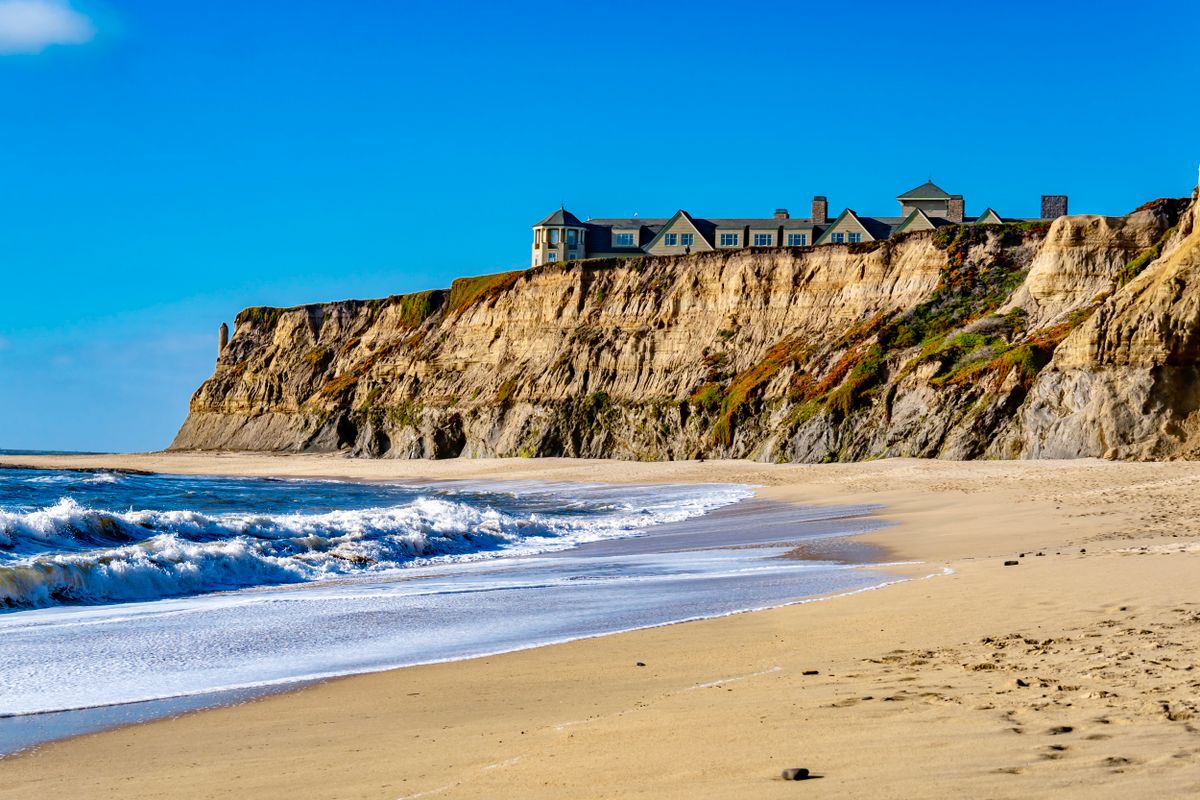
Clearance work on this stretch is done on a road with no shoulder, a bluff on one side, a hillside on the other and traffic that does not slow down for a truck with its lights on. That is the practical reality of right-of-way work at San Simeon, and it decides the method before anybody picks up a saw.
Roadway and right-of-way clearance is the work that keeps the drive, the private lane or the frontage usable: limbs out of the travel way, sightlines open, signs visible, and the brush that narrows the road pushed back over the line.
What "Clearance" Means in Practice
- Vertical clearance — enough headroom for what actually uses the route. A passenger car needs far less than a delivery truck, a fire engine or an equipment trailer, and the number should be set by the largest vehicle the road serves rather than by habit.
- Sightlines — the distance a driver needs to see an approaching vehicle, a cyclist or a pedestrian on a curve. On a coast road this is usually the safety-critical item, and it is set by the road's design speed rather than by what is convenient.
- Sign and marker visibility — a street sign, a fire-hydrant marker or an address plate buried in cypress is a problem for the first responder as much as for the driver.
- Brush encroachment — growth narrowing the usable width from both sides, which is often the cheapest part of the job and the part that most improves how the road actually works.
Whose Road Is It
The three cases here need different conversations, and knowing which one you are on prevents doing work on somebody else's asset.
A county road — the county's roadside trees are its own, and work on them goes through its process, including permits for anything significant.
A utility easement — a separate strip with a separate owner, where the clearance issue may be the utility's and the vegetation may not be yours to cut.
Traffic Control Is Not Optional
On a road with no shoulder, a work zone is a real hazard to the crew and to other people. That means proper signs, high-visibility clothing, a spotter, and on the tightest sections a plan for holding traffic rather than hoping drivers are paying attention. Where the road carries visitors year-round we try to work outside the busiest hours and finish within the day, because a half-cleared lane closed overnight is worse than the problem it was fixing.
Disposal, and the Fire Angle
Cut material has to go somewhere. Chipping on site and hauling off is the normal answer; leaving it in the ditch is not, because a shoulder full of chips and limbs is both a fire fuel bed and a drainage blockage when the first rain arrives.
On much of this coast the roadside is also the fire fuel break, so clearing it is doing two jobs at once, and the work is scoped alongside fire clearance where that is the reason for it.
Tell us which road it is, who owns it, and what has to use it. Call (805) 927-4414 or use our contact page, and read about everything we do on this coast.
Next step
Ready when you are.
Questions, quotes, or just exploring — we’re here to help.