

Letting the Air Move Through the Crown
Crown Thinning in San Luis Obispo
San Luis Obispo — this is the coast these pages are about.
Quick answer: Crown Thinning in San Luis Obispo — Pruning is a plan before it is a cut: deadwood and broken limbs first, then clearance from roofs, wires and paths, then the structure the tree will carry for the next decade. The right cut heals and the wrong one invites decay, which is why the order matters more than the number of cuts.
- Typical timing: Structural work in the dormant months, light clearance and deadwood any time the tree is not under stress.
- What it involves: Removing dead and crossing limbs, thinning to let light through, lifting low limbs for clearance, and never topping a tree.
- The standard: The ANSI A300 pruning standard as applied by ISA-certified arborists — including the three-cut method on every limb worth saving.
- Where we work: Cambria, San Simeon, Cayucos, Morro Bay, Los Osos and the towns between.
- Our own record: 503 pages and 291 stories published on this site. Counted from our own archive, not a stock table.
Field note. What we see on this coast is a pruning calendar that does not match the inland one: salt air, fog and wind mean a cut that would be minor in the valley can be the one that opens a crown to decay here, so we look at the species and the exposure before the season.
On the other hand, not every tree wants to be pruned: leaving a healthy canopy alone is a decision that pays, and a tree with plenty of space is often better served by doing nothing.
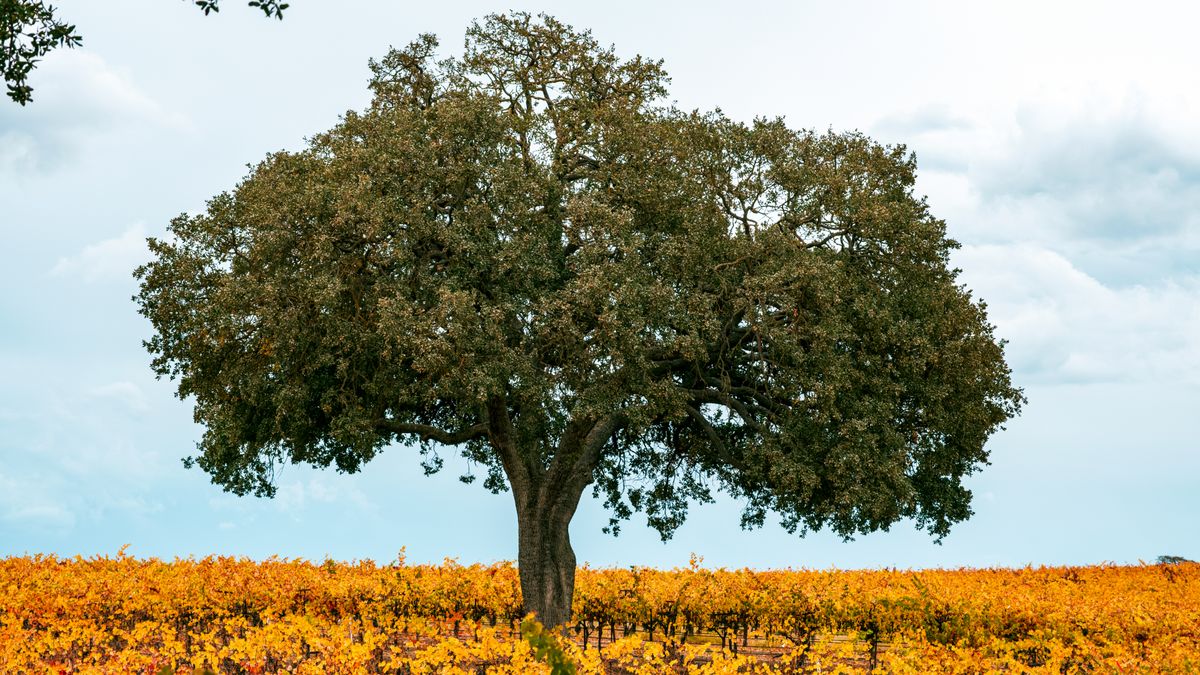
In San Luis Obispo the case for crown thinning is mostly a heat and weight argument rather than a wind one. A mature oak or sycamore that has grown dense over decades carries a very large amount of foliage on very long limbs, and through the hundred-degree weeks of late July that canopy is a sail waiting for the first afternoon breeze off the coast.
Crown thinning san luis obispo removes selected branches from the inside of the crown to let air move through it — and it is one of the most commonly botched cuts in the trade.
What thinning is, and is not
Thinning takes live branches from the interior, at their point of origin, to reduce density. It does not shorten limbs, and it does not change the outline of the crown. If the tree comes out of the job visibly smaller than it went in, what happened was reduction, and that is a different service with a different set of rules.
If the interior is stripped and the ends are left tufted, that is lion-tailing, and it is the failure mode that follows thinning around the way a hangover follows a party.
Why lion-tailing ruins trees
A branch that loses its interior foliage and keeps a mop of growth at the far end becomes a lever.
The weight that was spread along the limb is now out at the tip, the limb bends further, the shaded bark that was never meant for sun is suddenly exposed, and the tree responds by pushing a thicket of epicormic shoots along the very branch that was thinned. Two years later the tree is more hazardous than it was before anyone touched it.
The dose
Good practice puts a limit on how much live tissue comes off in one pass — under ANSI A300 the accepted figure for a mature tree is a fraction of the total leaf area, not an amount chosen for how much cleaner it looks afterwards. That is why thinning on a large tree here is usually a two-visit job spread over a couple of seasons rather than one dramatic cut.
When thinning is the right call
A dense crown over a roof that stays wet under the eaves; a limb-heavy oak with a codominant fork that would prefer less weight; a street-facing tree dropping fine debris into a gutter every week. Thinning helps in all three. It does not fix a structural defect, and a tree that needs a cable will still need the cable.
Where the problem is that the tree is simply too big for its spot, thinning will not solve it — look at crown reduction instead.
(805) 927-4414Timing
The window in this climate is the cooler, dormant half of the year for most species, and for oaks it matters more than that: pruning them in the wet season risks spreading the pathogens the city's oak population is already fighting. We schedule on the species rather than on the calendar.
Book a look
Call (805) 927-4414, use the contact page, or see our services for the rest of the pruning vocabulary, including the work we do across town.
Questions, quotes, or just exploring — we’re here to help.