



Breaking the Chain a Fire Climbs
Ladder Fuel & Brush Removal in Morro Bay, CA
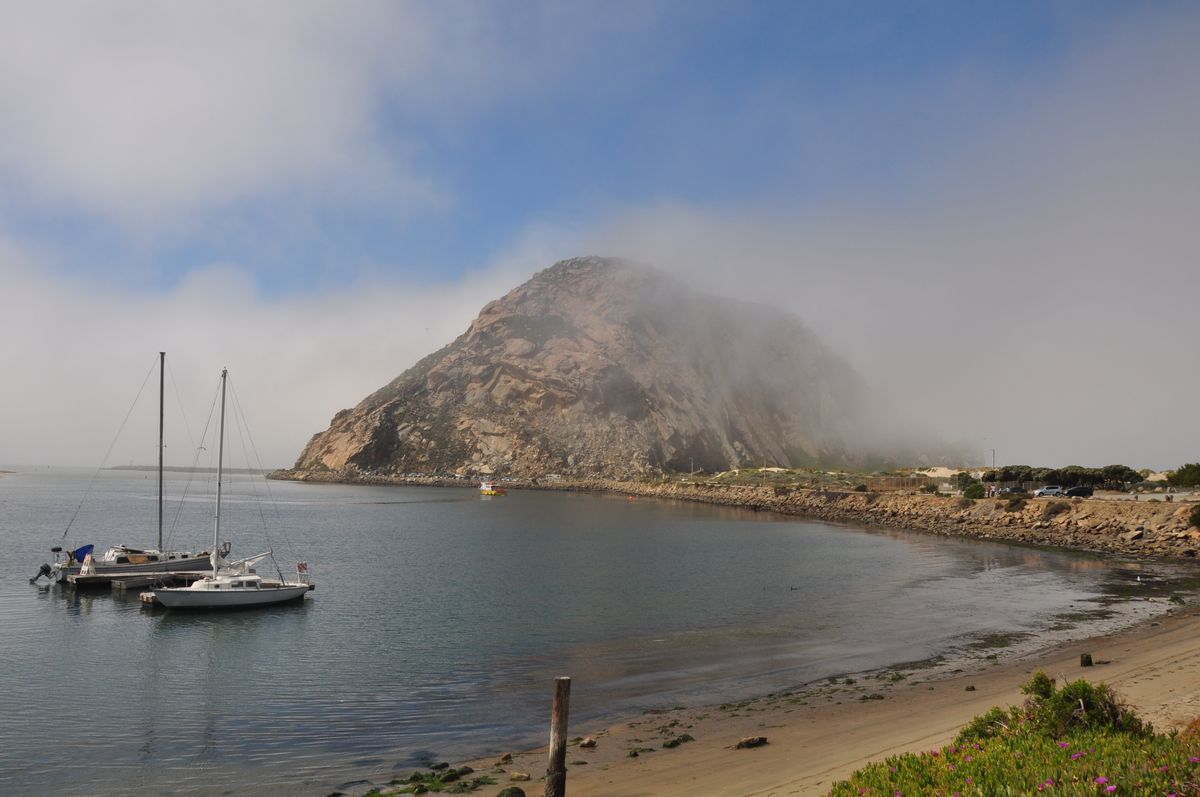
Morro Bay — this is the coast these pages are about.
Quick answer: Ladder Fuel & Brush Removal in Morro Bay, CA — Defensible space is the work that decides what a fire has to burn between the wildland and the house: dead material out, ladder fuels separated, and the tree you keep limbed up rather than removed. It is measured in zones from the structure, and the first few feet are the ones that matter most.
- Typical timing: Best done in the cool months so the debris is gone before the dry season; clearance rules apply year-round.
- What it involves: Removing dead and dying material, separating shrubs from low limbs, limbing trees near structures, and keeping the roof and gutters clear.
- The standard: Cal Fire's defensible-space guidance for the first 100 feet, applied to the trees a property actually has.
- Where we work: The wooded parts of Cambria, San Simeon, Harmony and the surrounding ranch country.
- Our own record: 503 pages and 291 stories published on this site. Counted from our own archive, not a stock table.
Field note. What we see on this coast that surprises people is how much of the fuel load is low: the limb at four feet and the brush beneath it carries fire into a canopy that would otherwise survive, so the work is often lifting rather than felling.
On the other hand, over-clearing has its own cost — bare ground erodes, and the wind that comes with the fog belt is harder on a thinned stand than the fire risk it removes.
Brush removal in Morro Bay is the cheapest risk reduction on a wooded parcel and the work nobody photographs.
The fuel that carries a fire from the ground into a cypress canopy is almost never a tree; it is a continuous chain of ordinary things standing end to end — dry grass, then broom or coyote brush, then a dead ceanothus, then the low limb of the tree above — and breaking any one link in that chain is what the job is for.
The vertical half
Ladder fuel is a vertical connection, and on the ground it breaks down into four recognisable rungs:
Remove one and the chain is broken; remove the middle rung and there is nothing for the fire to climb, which is why brush work matters more than most owners expect when they look at a parcel full of tall pines.
- Fine fuel at the bottom — dry grass, weeds and the needle litter that ignites easily and burns hot enough to light something bigger.
- The middle rung — broom, gorse, dead ceanothus, and the volunteer pines that came up in a wet spring and never left.
- Low limbs on the tree above — the branch that starts a few feet off the ground is the rung a fire steps onto.
- Dead material suspended in the canopy — hanging limbs, deadwood, and the resinous litter that catches a spark and carries it upward.
The horizontal half
Fire also travels sideways. Two crowns grown into each other are one continuous fuel body, and a hedge running up a slope is a wick laid against the hill. So this is a spacing job as much as a cutting job: shrubs separated rather than massed, a real gap between tree crowns, and breaks in the vegetation where the ground steepens, because fire moves fastest uphill — of particular relevance on the graded streets above the harbor.
What comes out, and what stays
Blanket clearing looks decisive and is a mistake. Taking every shrub costs the soil, the habitat and the erosion control their roots were providing, and on a coastal slope that hands the ground to the first winter rain. What comes out: dead and dying brush, invasive and resinous species near a structure, volunteer trees crowding a mature pine, dead limbs, and the fine dead material on the surface.
What stays: the healthy native shrubs that belong here, spaced; the established trees in good condition; and the low cover holding the soil. Habitat and fire safety are not in conflict here — both are products of structure.
The slash is half the job
Cut material left lying where it falls is fuel that has only moved. We chip what can be chipped and haul what cannot, and the chips usually stay on the parcel where they do more good than a tip fee — see wood chip mulch delivery. Burning is seasonal and permitted with its own weather windows, and it is not something to improvise on a still afternoon in September.
On the more difficult slopes a cutting head can do the same work in one pass, which is forestry mulching.
Timing and sequence
Work before the fuel cures rather than during the dry season: the material is easier to handle, the ground is easier to work on, and the clearance is in place when it matters. On a parcel that has never been cleared, expect a heavy first pass and lighter maintenance on a two- or three-year cycle.
The zones come first — that is defensible space inspection; the tree-side work is fire clearance. Call (805) 927-4414 or use the contact page and we will scope the parcel properly before quoting the pass.
Field note — Olivia Whitmore cuts from the house outwards, because the first thirty feet is what decides whether the rest of the parcel has a chance.
Questions, quotes, or just exploring — we’re here to help.