

Walking the Zones on a Wooded Lot
Defensible Space Inspection in Morro Bay, CA
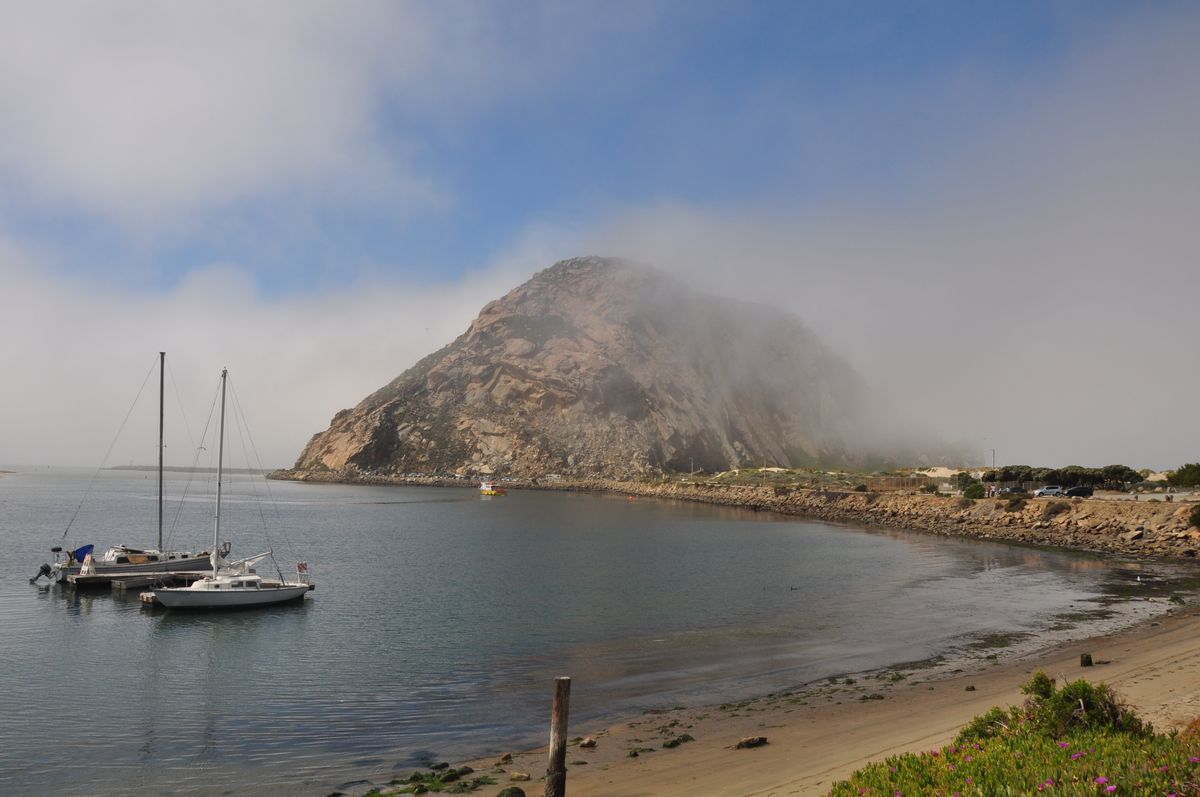
Morro Bay — this is the coast these pages are about.
Quick answer: Defensible Space Inspection in Morro Bay, CA — Defensible space is the work that decides what a fire has to burn between the wildland and the house: dead material out, ladder fuels separated, and the tree you keep limbed up rather than removed. It is measured in zones from the structure, and the first few feet are the ones that matter most.
- Typical timing: Best done in the cool months so the debris is gone before the dry season; clearance rules apply year-round.
- What it involves: Removing dead and dying material, separating shrubs from low limbs, limbing trees near structures, and keeping the roof and gutters clear.
- The standard: Cal Fire's defensible-space guidance for the first 100 feet, applied to the trees a property actually has.
- Where we work: The wooded parts of Cambria, San Simeon, Harmony and the surrounding ranch country.
- Our own record: 503 pages and 291 stories published on this site. Counted from our own archive, not a stock table.
Field note. What we see on this coast that surprises people is how much of the fuel load is low: the limb at four feet and the brush beneath it carries fire into a canopy that would otherwise survive, so the work is often lifting rather than felling.
On the other hand, over-clearing has its own cost — bare ground erodes, and the wind that comes with the fog belt is harder on a thinned stand than the fire risk it removes.
A defensible space inspection in Morro Bay walks a parcel against the zones Cal Fire has set, and the most valuable thing it produces is not a clearance list — it is a list of what to leave alone.
On a wooded coastal lot the reflex is to cut everything within reach of the house, which costs the windbreak, the habitat and the soil, and does less for fire safety than the four or five specific decisions an inspection actually turns up.
The zones, in plain terms
The state framework divides the ground around a structure by distance, and each ring has its own expectation. Zone 0 is the first five feet out from the building, where the aim is ember resistance: nothing combustible against the wall, no bark mulch bed against the siding, no wood pile, no low branch within reach of the eave.
Zone 1 runs from five feet to thirty and is about lean, clean and green — well-spaced plants, dead material removed, low limbs lifted, and any ladder of fuel between the ground and a tree crown broken. Zone 2 runs from thirty to a hundred feet, or to the property line, and is where the fuel load is reduced in a way that slows an approaching fire rather than trying to stop it at the wall.
What actually goes wrong on this coast
- Bark mulch against the wall. The most common Zone 0 failure, and the easiest to fix.
- Ladder fuel left in place. Brush and saplings under a cypress canopy, which is the chain a fire climbs — the subject of brush removal.
- Volunteer pines against a deck. Self-seeded Monterey pines in the wrong place, too close in, too dense.
- Dead material nobody has looked at. Fallen limbs behind a shed, needles in a gutter, dead standing wood in the canopy.
- Roof and gutter debris — the ignition point that matters most, and another way of describing chimney and roof clearance.
What the paperwork is for
Inspections exist because insurers and, in some areas, regulators ask for them. What closes a file is a written record: the zones walked, what was found in each, the specific work recommended, and photographs of the conditions before and after. Where a renewal or a carrier's letter is driving the timing, the inspection is the piece that turns a general worry into a scoped job with a date against it — see insurance compliance clearance.
Keep the vegetation that is doing a job
On the hills above the harbor the vegetation is holding soil that would otherwise be on the street after the first real rain. A clearance that strips a bank does the fire work and creates a drainage problem, and the two problems are not of equal size. Well-spaced native shrubs, kept low and separated, are fire-safe and slope-safe at the same time; a bare bank is neither.
Timing
Do the inspection before the dry season rather than during it, and before any renewal date rather than the week of it. Work done in green growth is easier, cheaper and more effective, and the material cures on the ground rather than in the canopy. The assessment comes first; the cutting is fire clearance.
Call (805) 927-4414 or use the contact page to arrange the walk, and start at the Morro Bay hub for the rest of the fire and property work here.
Field note — Olivia Whitmore walks the first five feet first, because Zone 0 decides most of what the rest of the inspection will recommend.
Questions, quotes, or just exploring — we’re here to help.