

Putting the Cover Back on Bare Sand
Revegetation & Native Planting
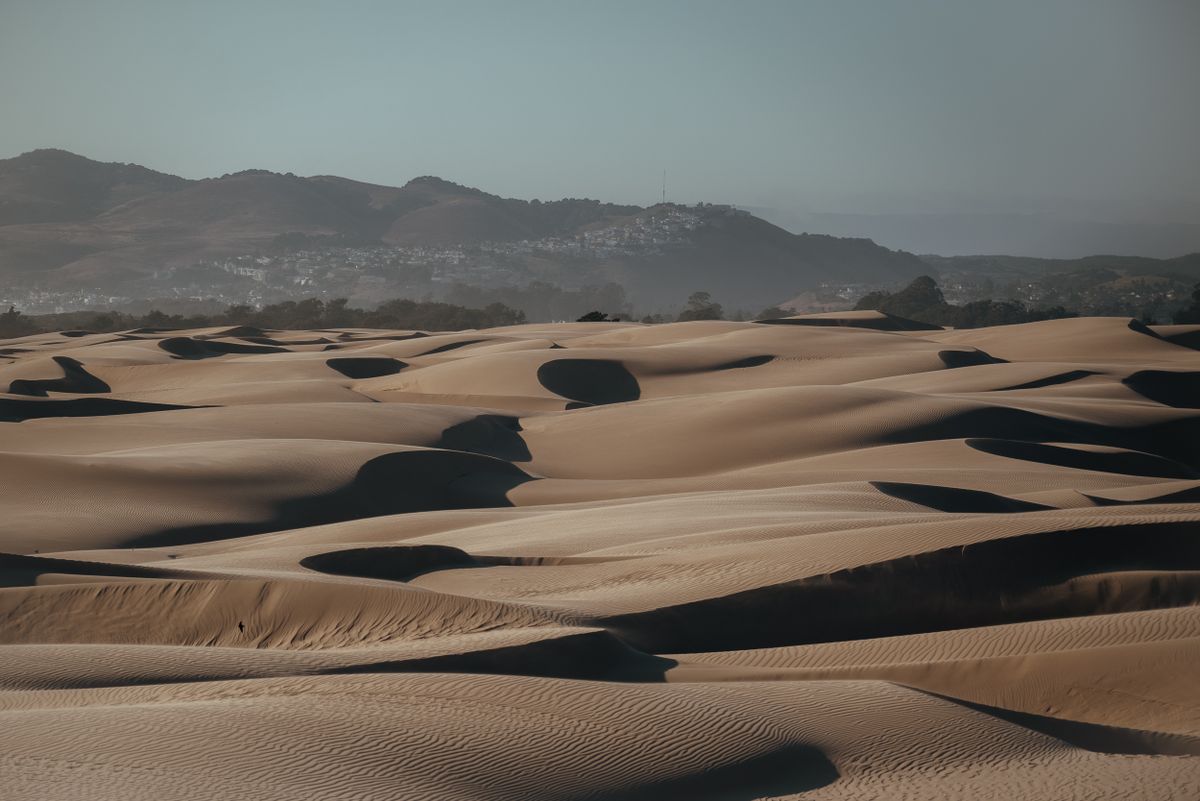
Los Osos — this is the coast these pages are about.
Quick answer: Revegetation & Native Planting — The tree that thrives here is the one chosen for this coast: fog, salt, wind and shallow soil are the local constraints, and mature size is the constraint most often ignored. Planting is a matter of putting the right species in a site that can hold it, then keeping the root flare visible and the first summers watered.
- Typical timing: Autumn planting, so winter rain does the establishment work; the first two summers decide the tree.
- What it involves: Matching mature canopy and root spread to the space, planting at the depth the tree grew in, and staking only when it is needed.
- The standard: Cal Poly’s SelecTree species data and university extension planting guidance.
- Where we work: Gardens and acreage from Cambria through Cayucos and Morro Bay.
- Our own record: 503 pages and 291 stories published on this site. Counted from our own archive, not a stock table.
Field note. What we see is that the coast is forgiving to the right species and unforgiving to the wrong one: the same tree that looks comfortable four streets in will burn on the windward side of a Cambria lot.
On the other hand, natives are not automatically the answer at every address — a species that belongs in the watershed can still be the wrong size for the garden it is standing in.
Putting the Ground Cover Back
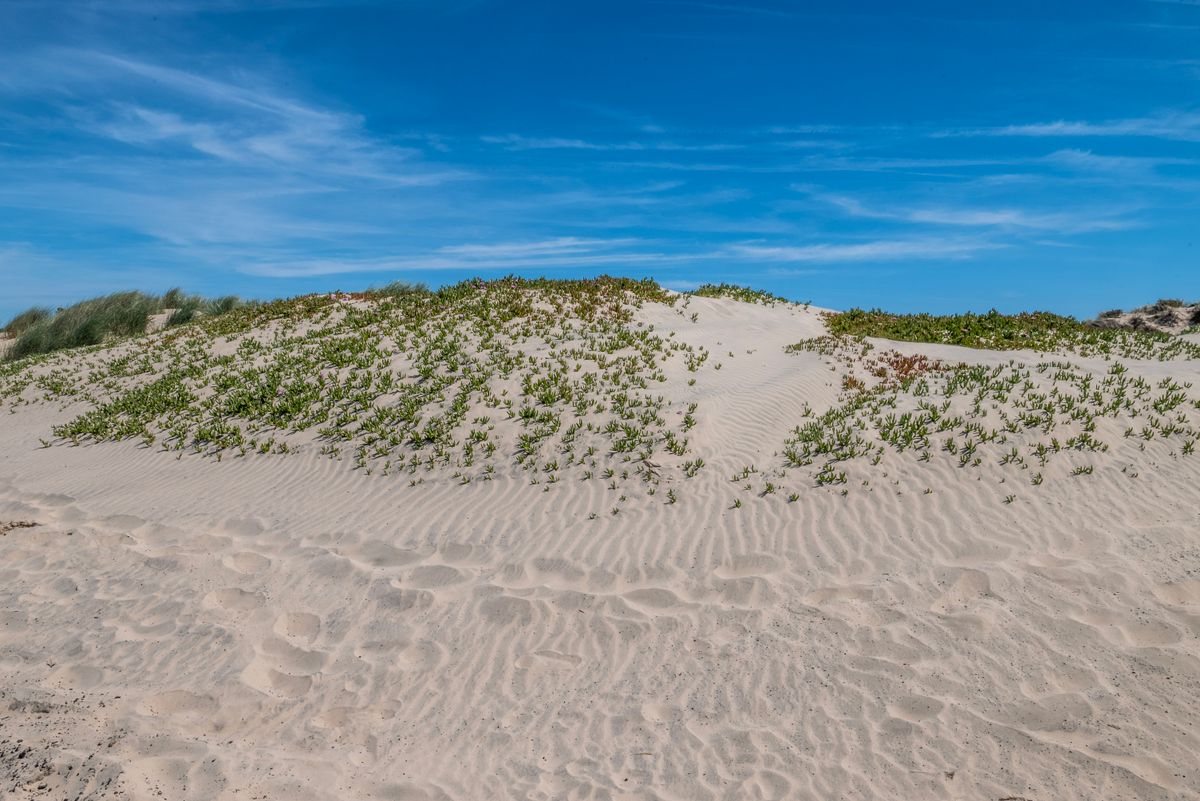
Native planting los osos ground needs after a clearing, a fire-clearance pass or a new build is not the same as landscaping. On dune sand in this fog belt the goal is cover that establishes without irrigation, holds the surface through the winter rain, and does not compete with the mature pines and cypress already standing on the lot — because the fastest way to hurt a big tree is to water and feed the thirsty planting around it.
Species That Belong Here
The coastal scrub community that grows on these dunes is the best guide to what will survive on them without help. Coast buckwheat, sagebrush, coyote brush, ceanothus, yarrow, blue-eyed grass and the native bunch grasses all root into sand and take the salt wind, and they knit together into cover within a couple of seasons.
A little further up the slope, where the sand gives way to the heavier soil above the flats, the planting mix shifts toward the oaks and the larger shrubs that suit that ground.
What does not belong is a watering-dependent planting on a sandy slope or over a root zone. It needs irrigation to live, the irrigation softens the slope and encourages the root diseases the native oaks cannot tolerate, and it dies the first summer the water is turned down.
Hydroseed or Containers
- Hydroseed and broadcast seed cover large bare areas cheaply and fast, and they are the right answer where the site is too big or too steep to plant by hand. Timing matters: seed that goes down in spring on a sand slope may germinate and then bake before it roots.
- Container stock costs more and establishes with far more certainty, which is usually what a small parcel or a visible bank wants. A plant in a pot has a root system already, so it survives a hot dry spell that would take a seedling out.
- Either way, much and keep the traffic off. A bare sand surface under a fresh planting is the surface that blows and washes; mulch holds it while the roots take over.
Keeping It Away From the Trees You Have
Revegetation and tree preservation pull in opposite directions when they meet. New planting inside a mature tree's root zone means digging, watering and fertilising in the one place that should be left alone; the honest solution is to plant the open areas, keep a mulch ring around the established trees, and let the two systems stay apart. Where the trees themselves need soil help first, that is soil and root-zone remediation.
Where It Fits the Slope and Fire Work
Revegetation is the finish on erosion work and slope work, and it is deliberately light on the fuel it adds near a structure. On a parcel that has just been cleared for fire, the species chosen and the width of the beds both matter — see erosion control and fire clearance for how the three fit together.
Ask What Belongs on Your Ground
Send a photograph of the area and tell us what was there before, and roughly how much sun it gets. Call (805) 927-4414 or use the contact page to arrange a visit; Los Osos and our services cover the rest of the local work.
Questions, quotes, or just exploring — we’re here to help.