

Answering the Letter Before the Renewal
Insurance Compliance Clearance
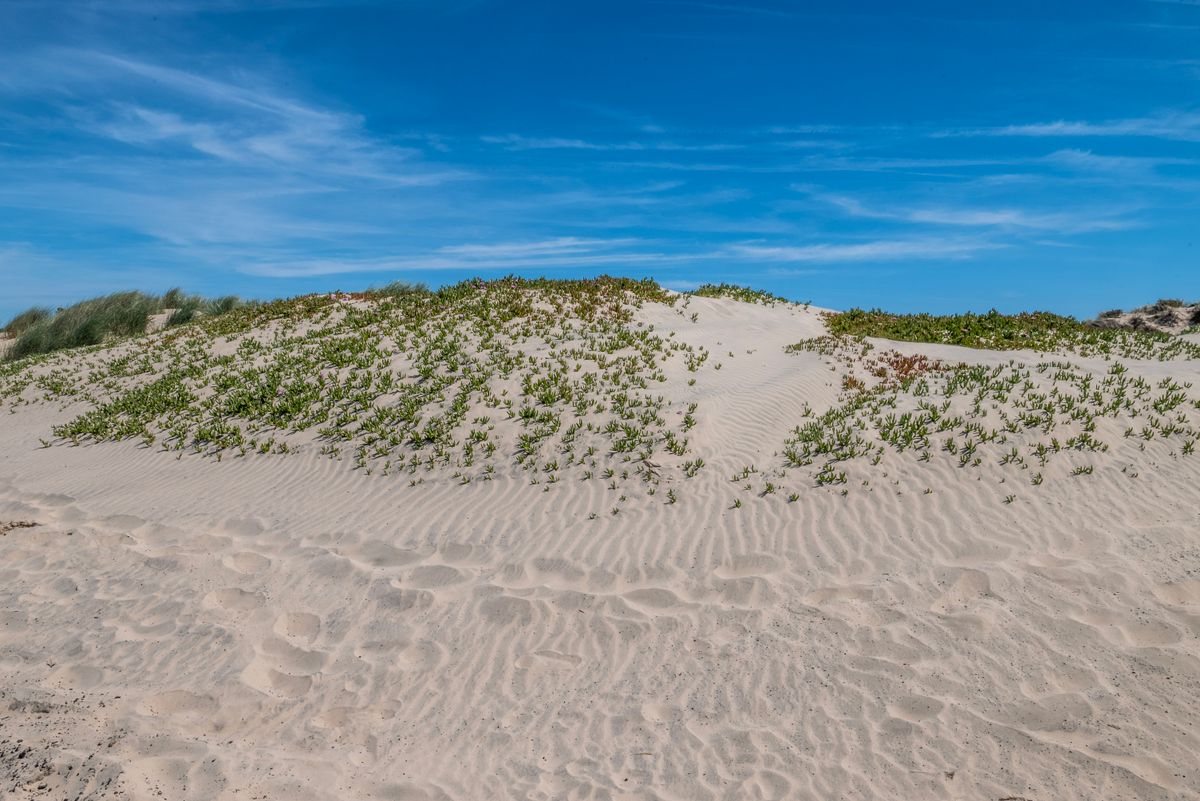
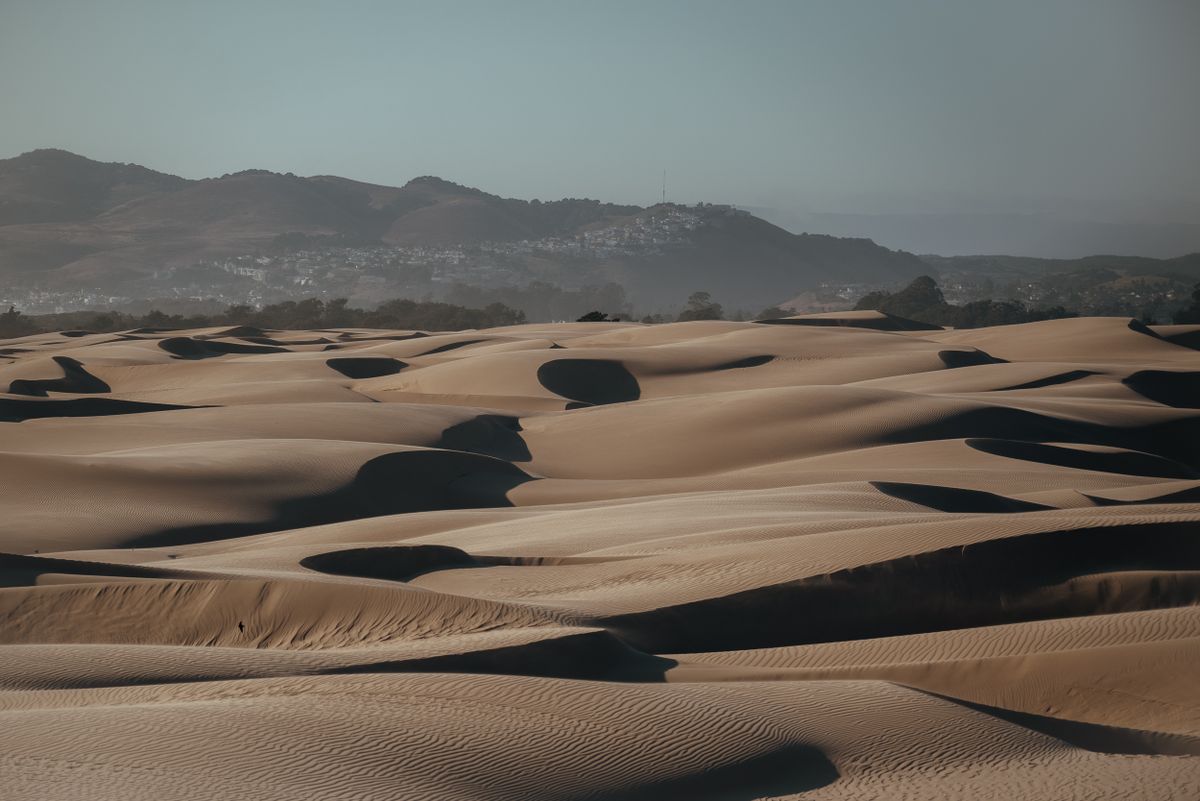
Los Osos — this is the coast these pages are about.
Quick answer: Insurance Compliance Clearance — Defensible space is the work that decides what a fire has to burn between the wildland and the house: dead material out, ladder fuels separated, and the tree you keep limbed up rather than removed. It is measured in zones from the structure, and the first few feet are the ones that matter most.
- Typical timing: Best done in the cool months so the debris is gone before the dry season; clearance rules apply year-round.
- What it involves: Removing dead and dying material, separating shrubs from low limbs, limbing trees near structures, and keeping the roof and gutters clear.
- The standard: Cal Fire's defensible-space guidance for the first 100 feet, applied to the trees a property actually has.
- Where we work: The wooded parts of Cambria, San Simeon, Harmony and the surrounding ranch country.
- Our own record: 503 pages and 291 stories published on this site. Counted from our own archive, not a stock table.
Field note. What we see on this coast that surprises people is how much of the fuel load is low: the limb at four feet and the brush beneath it carries fire into a canopy that would otherwise survive, so the work is often lifting rather than felling.
On the other hand, over-clearing has its own cost — bare ground erodes, and the wind that comes with the fog belt is harder on a thinned stand than the fire risk it removes.
Reading the Letter Before Quoting the Work
Insurance tree clearance los osos homeowners ask about almost always begins with a letter, and the letter is never generic. It may name specific trees, it may specify clearances in feet, it may require dead material removed and limbs lifted, and it may give a date — often the renewal date, which is usually closer than anyone would like.
The first job is not the saw; it is reading what the underwriter actually asked for, because doing more than the letter asks costs money and doing less leaves the policy at risk.
What These Letters Usually Require
- Clearance from the structure — limbs off the roof, away from the chimney and the eaves, and nothing overhanging the building envelope.
- Dead and dying material removed, including the standing dead tree the letter may or may not have named.
- Defensible space, expressed either as a zone or as a distance, which on a wooded parcel means the fuel work as well as the tree work.
- Photo evidence or an arborist's letter confirming that the work was done, which is a different deliverable from the work itself.
Matching the Work to the Requirement
Once the requirement is understood, it maps onto specific services: the canopy clearance is fire clearance and often chimney and roof clearance; the brush and fuel is ladder fuel and brush removal; a tree the letter condemns outright is a removal. What we will not do is invent a scope larger than the letter and present it as compliance, or quietly skip a named item because it is inconvenient.
Closing the File
A carrier wants something it can put in the record. In practice that is dated photographs of the work before and after, a written description of what was removed and the clearances achieved, and where the letter asks for it, a short letter from an arborist stating what was found and what was done. That documentation is submitted on the owner's behalf to the agent, and it is what stops the requirement coming back next year.
Where the concern is a claim rather than a requirement, that is insurance claim documentation, and where the parcel needs a formal assessment of what is actually hazardous, it is tree risk assessment.
The Timeline Is the Real Constraint
Renewal dates have a habit of arriving during the wettest weeks of the year, when the ground is soft and the wind makes canopy work unsafe. The sooner the letter is in our hands, the more scope there is to schedule the work sensibly; a call the week before the date is a call that gets squeezed into whatever weather the coast offers.
Send Us the Letter
Photograph or forward the requirement and tell us the date it has to be met. Call (805) 927-4414 or use the contact page; the Los Osos service page has the rest of the local work.
Questions, quotes, or just exploring — we’re here to help.