


A Plan a Board Can Actually Budget
HOA & Apartment Tree Programs
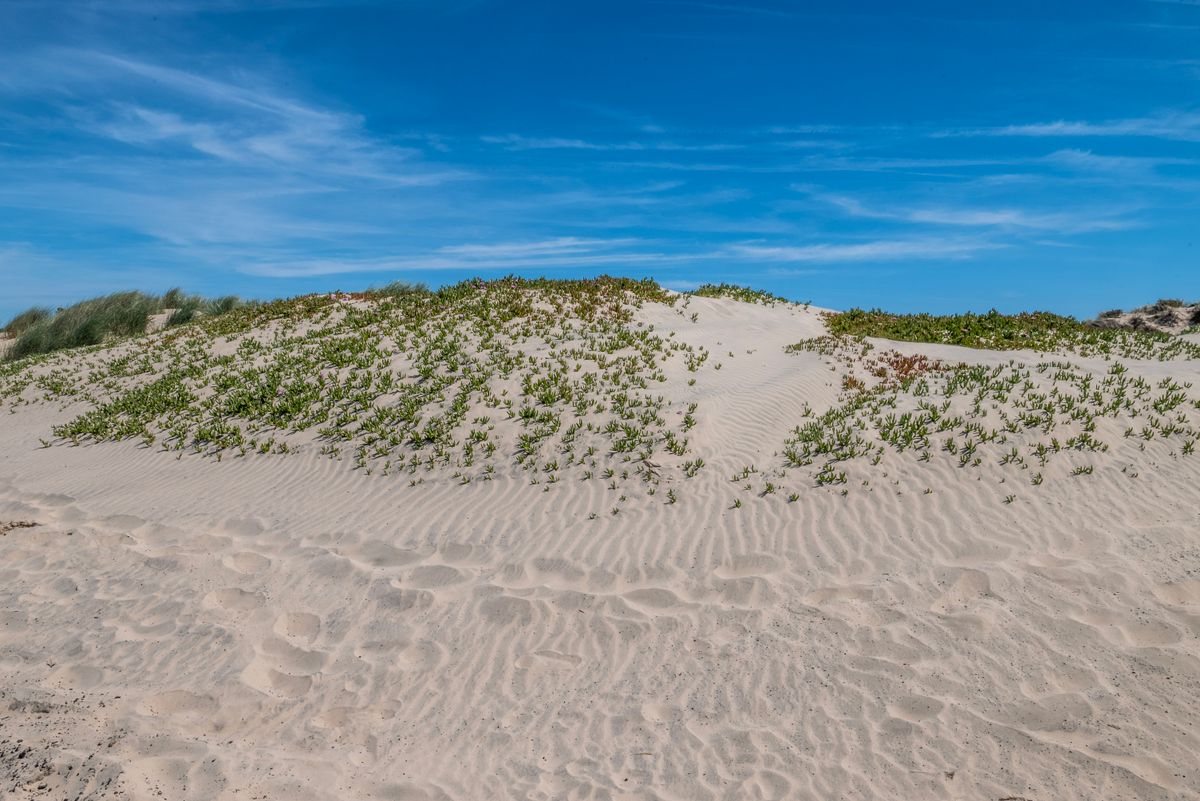
Los Osos — this is the coast these pages are about.
Quick answer: HOA & Apartment Tree Programs — Tree work is priced from the tree and the site rather than from a rate card: access, height, lean, what is under it, how the wood comes down, how far it has to travel and what happens to the stump all move the number. That is why a written quote names the work line by line instead of quoting one figure over the phone.
- What it involves: A site visit, a described plan, disposal and stump handling named separately, and a written figure that matches the plan.
- What changes it: Access and rigging, proximity to structures or wires, tree condition and lean, and how much material leaves the site.
- The standard: ISA and TCIA guidance on what a qualified, insured removal actually requires.
- Where we work: Cambria and the surrounding North Coast communities.
- Our own record: 503 pages and 291 stories published on this site. Counted from our own archive, not a stock table.
Field note. What we see is that the quotes people worry about are rarely the expensive ones: the job that costs the most is the one re-done, and a plan that protects the driveway, the fence and the roof is cheaper than the repair.
On the other hand, the cheapest quote is not automatically the worst value — the honest comparison is what each one includes, and a figure with no line items is the one that changes later.
One Parcel, Many Owners, One Tree Problem
HOA tree care los osos boards end up discussing is rarely about a single tree. It is about a shared parcel where nobody is quite sure whose pine is dropping limbs on whose parking space, where the last contractor was hired on price and left the prunings in the drainage swale, and where a board that meets four times a year has to decide how much to budget for work it cannot easily inspect.
A programme fixes all of that at once, because it replaces one-off decisions with a plan.
What the Programme Is
It begins with a walk of the whole property and a written inventory of the trees on it — species, size, condition, and what each one needs over the next few years. From that the board gets a multi-year schedule: which trees need work this year, which can wait, which are approaching the point where waiting costs more than acting, and what each band of work costs. The schedule is the deliverable. It turns an argument into a line item.
The Three Questions Boards Actually Ask
- Whose responsibility is it? Trees in the common area are the association's; trees inside a lot's exclusive-use area usually are the owner's, even when the limbs cross into the shared space. The inventory maps them so nobody has to guess in the middle of a dispute.
- How do we prove we did the right thing? Documented inspections, dated reports and photographs of work as completed are what protect the board if a limb later fails. On a coastal property with big cypress and pines, the exposure is real; the paperwork is cheap by comparison.
- How do we do the work without a fight? Residents need notice, parking needs to be moved, the access has to be walked first, and the schedule has to avoid the weeks when the lots are full. We handle the notice and the sequencing as part of the job rather than leaving it to a manager to improvise.
Working Around Residents on Sandy, Tight Lots
Los Osos properties tend to be dense and to share narrow access with neighbours who are not part of the association. Rigging over a shared driveway, a septic system that must not be driven on, and a line of cars that has to move all shape how the work is staged.
It also means the emergency protocol matters: when a storm drops a pine across the shared access, the board needs a single number to call and a clear idea of who authorises the work at two in the morning. The inventory and the protocol are written down for exactly that reason. Storm response itself is emergency tree service, and the cleanup afterwards is storm damage cleanup.
Where the Fire Work Overlaps
Shared parcels carry a defensible-space obligation just as single lots do, and often with more fuel in the common area than any one owner realises. That requirement is assessed on the same walk, and the clearance work is fire clearance.
Ask for a Property Walk
Send the parcel's address and roughly how many trees are on it, and whether the board has a meeting coming up that a report would help. Call (805) 927-4414 or use the contact page to arrange the visit; Los Osos covers the rest of the local work.
Questions, quotes, or just exploring — we’re here to help.