The Signs That Come Before a Diagnosis
Quick answer: The Signs That Come Before a Diagnosis — Most tree trouble on the Central Coast is identified before it is treated: a borer, a canker and a drought-stressed root system can look the same from the ground, and each has a different answer. Diagnosis is the first cut — host, sign and season — and the least-toxic control that fits comes after it.
Field note. What we see on this coast is that the tree under fog is often the healthier one and the tree on a hot exposed edge is the one that gets hit — stress is the invitation, and the coast hides it well.
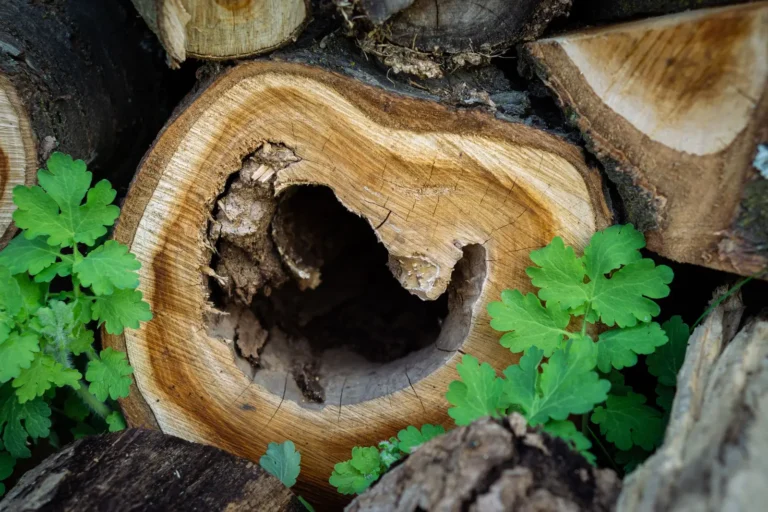
On the other hand, treatment is not always the kindest answer: for a hazard tree with internal decay, careful removal protects the neighbours, and replanting does more for the site than a season of injections.
The phrase too late is doing a lot of work in tree diagnosis. Most of what kills a landscape tree was visible for a season before it was obvious — not as a dead branch, but as a small asymmetry in how the tree was growing.
These are the signals I look for on a walk, in the order they are easiest to see.
One: the crown thins from the inside out
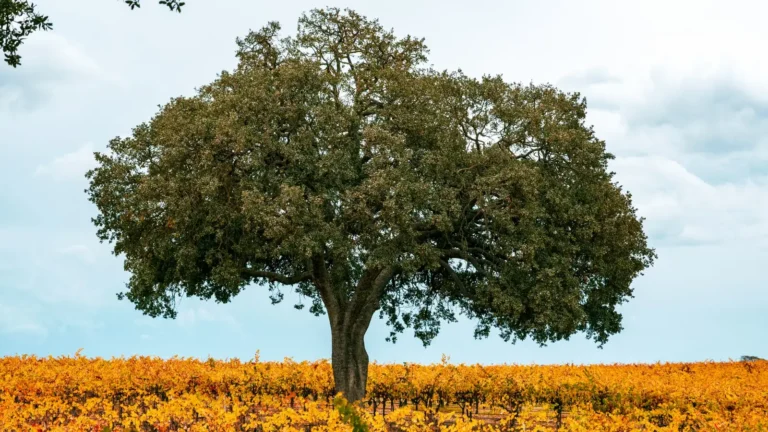
A healthy tree sheds its shaded interior leaves first in a dry spell, which is normal. A tree in trouble loses leaves at the tips and the outer crown first, or loses whole small branches from the top down. The difference is directional, and it is the single most useful thing to learn to see.
Photograph the crown from the same spot every spring. A thinning top is nearly invisible year to year in memory and unmistakable in two photographs side by side.
Two: the bark changes before the leaves do
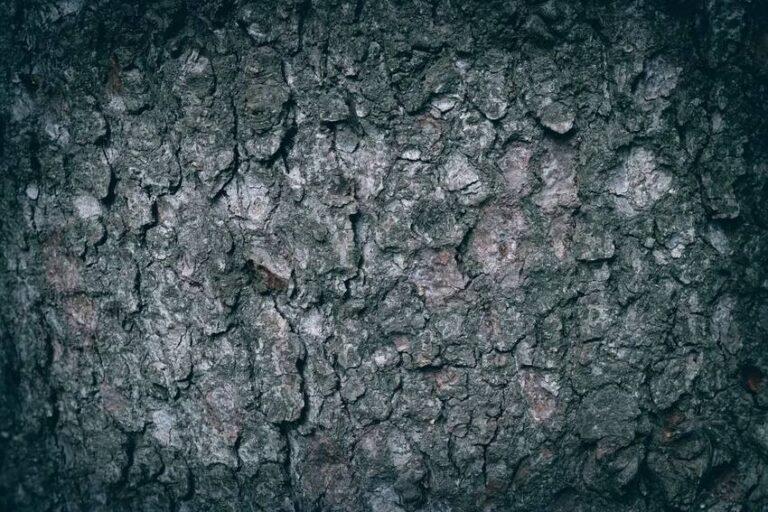
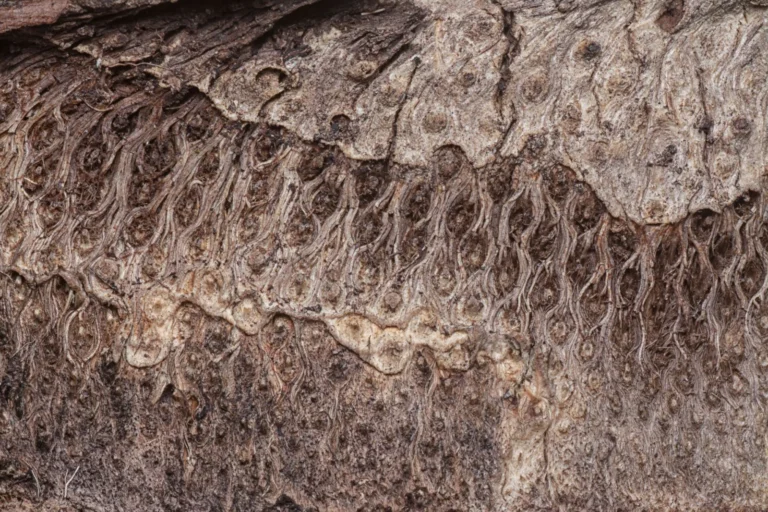
A sunken patch, a dark seam, a resin bleed, or a strip of bark that has lost its texture. Run a hand along the trunk at chest height — a healthy trunk is cool and firm, and a lesion feels different before it looks different. On this coast, a bleeding patch on a cypress or a pine is a canker until proven otherwise.
Three: the tree leans, or the base moves
Not a lean it has always had. A new lean, or soil cracking in a crescent on the side away from the lean, is a root problem rather than a disease, and it is the one signal that means do not wait for a second opinion before keeping people away from it.
Four: the growth at the base
A flush of suckers from the root flare, or a bulge at the soil line, often means the roots are compromised and the tree is trying to replace them. Combined with a thin crown it is a strong signal. On its own it is often just a response to a change of grade or a wet winter.
Five: fruiting bodies, and where they sit
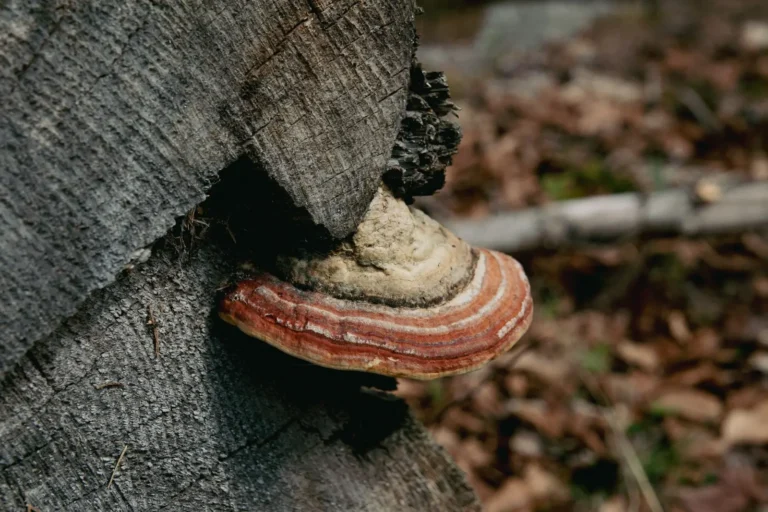
A conk on the trunk is the fungus announcing itself. What matters is not the presence but the position: a bracket at the base is usually a root and butt rot; one partway up a stem is a heart rot that may be contained. Photograph it with something for scale, and note whether it appeared this year.
Six: the insects that arrive second
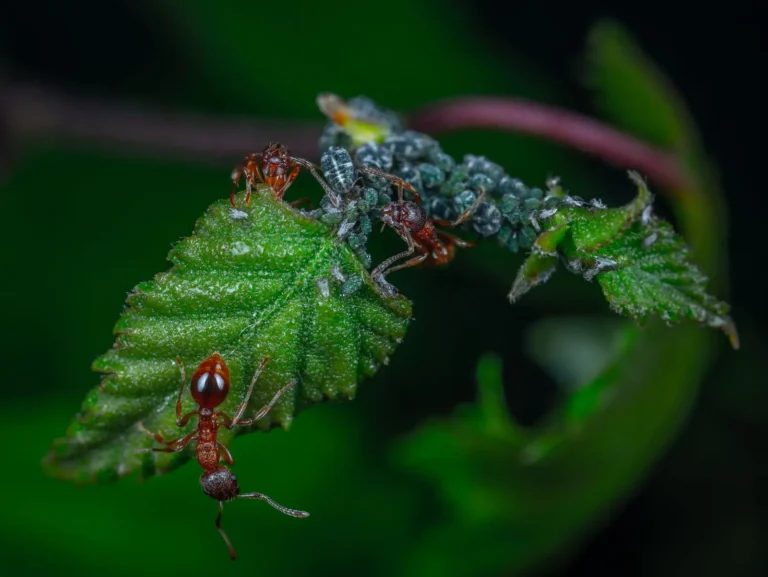
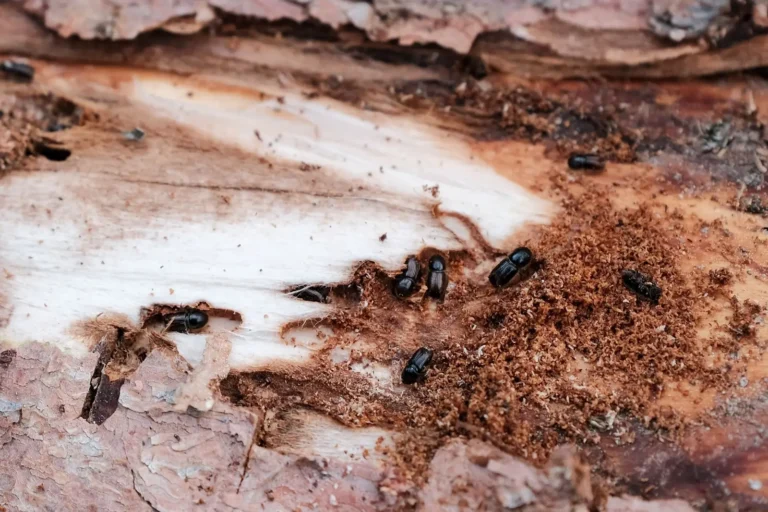
Bark beetles and borers are usually a symptom, not a cause. Frass at an entry hole, a pitch tube on a pine, or a section of bark that sounds hollow means the tree was already stressed when they arrived. Treat the insects and you have treated the notification, not the problem.
The three that mean call this week
A new lean with soil movement. A crack that has widened since you last looked. A conk at the base of a tree with a target. Everything else can wait for a scheduled visit, with photographs and a date — which is what turns an anxious call into a useful one.
The ten-minute walk
Walk it the same way every time so the comparison means something. Start at the kerb and look at the crown against the sky: outline even, or a flat side? Then the trunk from two angles, then the base from three feet away, then the ground beneath for mushrooms and cracks, then up the trunk for seams.
Ten minutes, four photographs, one line in a notebook. What you are buying is not a diagnosis; it is a baseline. The second walk, a year later, is where the information is — because a tree that has changed is a tree with a story, and a tree that has not is a tree you can stop worrying about.
And the honest limit: none of this is a diagnosis. A tree that shows three of these signals may have a treatable problem or a terminal one, and only a sample, a sounding or a resistograph will say which. The value of the walk is that it decides when to spend the money, rather than spending it after the crown is gone.
One discipline makes the walk worth repeating: write down what you saw, not what you concluded. Saw a sunken patch on the south side, photographed it, measured it at four inches. Next year the measurement either moved or it did not, and that answer is worth more than any opinion formed in the moment.