


Erosion Control in Cambria, CA — Hillside & Creek Banks
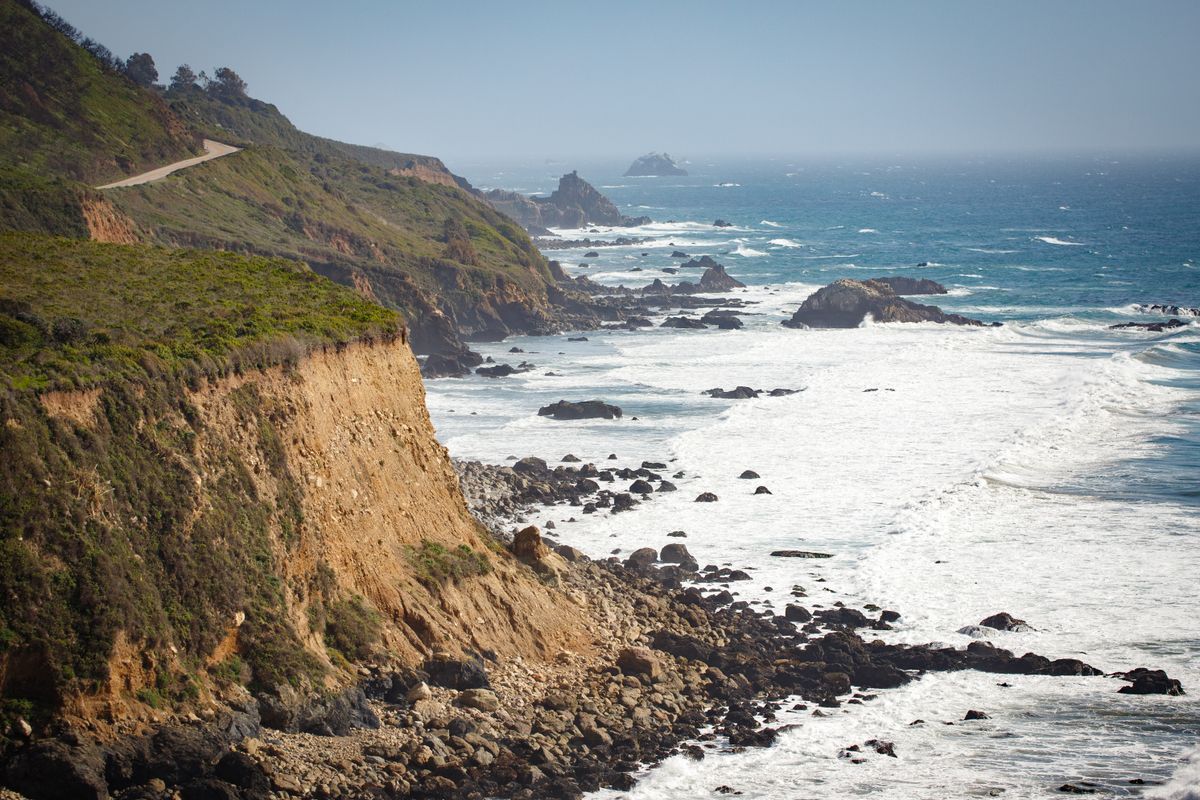
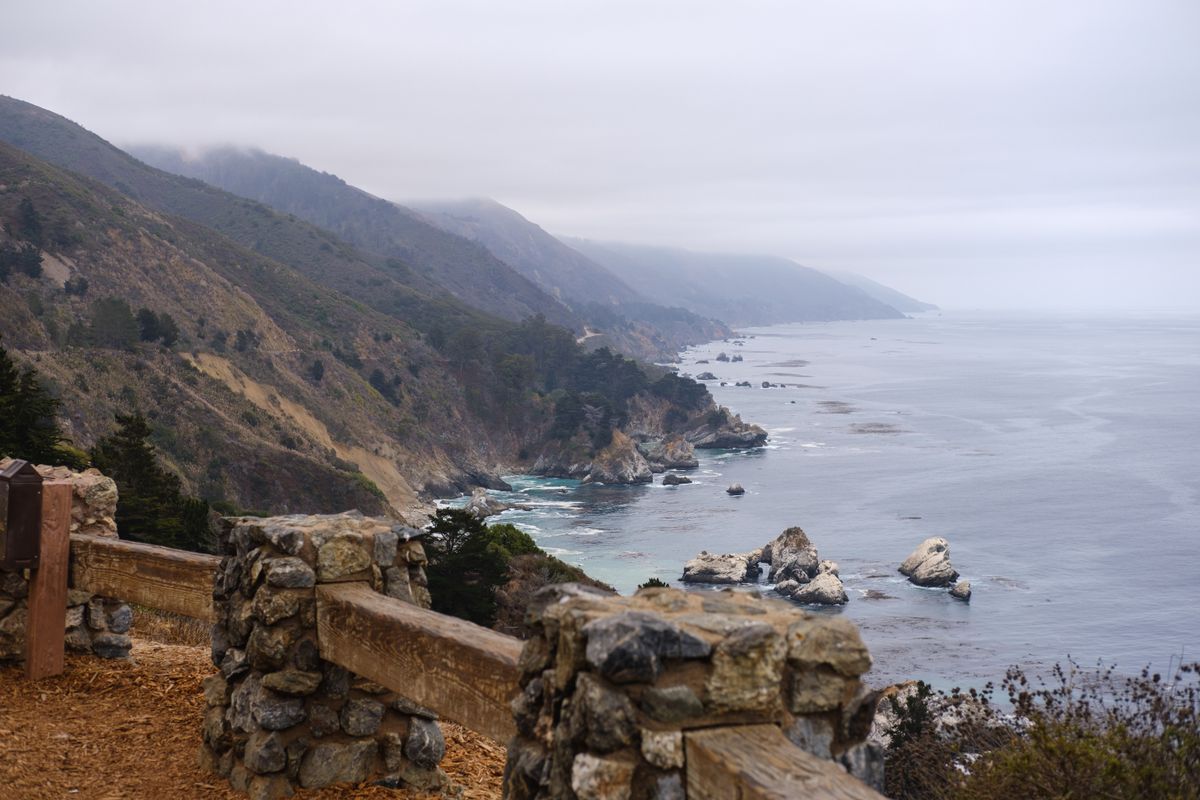
Cambria — this is the coast these pages are about.
Quick answer: Erosion Control Cambria — Trees on this coast live with fog, salt, wind and thin soil, and the work that keeps them healthy is decided by those conditions rather than by a calendar written inland. Structure, clearance and the root zone are what a tree here needs looked at, and small work done early is what keeps a tree out of the emergency list.
- What it involves: Structural pruning, clearance from structures and wires, deadwood removal, root-zone care and hazard assessment.
- Typical timing: Structural work in the dormant months; deadwood, clearance and hazard work whenever the tree needs it.
- The standard: The ISA standards for pruning and tree risk assessment, applied by ISA-certified arborists.
- Where we work: Cambria, San Simeon, Harmony, Cayucos, Morro Bay, Los Osos and the Cambria pine belt.
- Our own record: 503 pages and 291 stories published on this site. Counted from our own archive, not a stock table.
Field note. What we see on this coast is that the trees people worry about are usually not the ones in trouble: the pine with a clean crown and a lean that predates the house is often sounder than the tidy tree that has been quietly drowning in its own root zone.
On the other hand, there is no schedule that suits every tree — the same species on two sides of one street can need opposite care, which is why we look before we recommend.
Erosion Control in Cambria, CA
Take a tree off a Cambria slope and something takes its place: water. The old root system stops drinking and starts decaying, and the sandy terrace soil above Santa Rosa Creek and the coves is exactly the material that moves when winter rain finds a new path. The removal is not finished until the ground is.
What actually holds a slope
Materials should match the slope, not the catalog. Jute netting and straw mulch are for surface protection on gentle grades; wattles and rock check dams are for concentrated flow; live stakes and deep-rooted plantings are for the long game. A steep coastal bank usually wants all three, in that order, installed before the rain and inspected after the first big storm of the season, because that storm tells you where the water actually went.
- Living roots, fast. Deep-rooted native grasses, willows and shrubs along the toe of the slope begin working in one season where a new tree takes a decade.
- Surface armor. Jute netting, straw or hydromulch and gravel check dams slow the water before it rills — temporary measures with a season or two of honest service.
- Drainage, corrected. Water aimed at the wound is the real enemy: gutters, downspouts, paths and driveway runoff get routed away from the cut bank.
- The stump, decided. On ready slopes, leaving the stump and grinding it flush can be the stabilizing choice; where the stump has to go, the root hole is backfilled and compacted in lifts.
The honest limits
Not every slope can be fixed by landscaping. If the ground is already sliding, if water is emerging from the hillside in springs that were not there before, or if the failure runs deeper than the surface soil, the problem is geotechnical before it is horticultural.
In those cases the honest sequence is: keep people and structures away from the movement, get a geotechnical engineer to read the slope, and then do the drainage and planting work the engineering calls for. A crew that promises to stop a landslide with netting and grass seed is selling comfort, not stability.
What vegetation and surface work can do is hold the shallow soil that rides on top of a stable slope, slow the water that would otherwise concentrate into a rill, and buy time for deep-rooted plantings to establish. That describes most of Cambria's situations: a cut bank behind a house, a bank along a driveway, a garden slope that started losing soil after a tree came out.
For those, a properly built system — drainage first, surface armor second, plants third, all before the rain — is durable and affordable.
The worst outcome is the sequence run backwards: removal in October, planting promised for spring, and the biggest storm of the year arriving in January to test the bare ground. Build the fix into the same season as the removal whenever the schedule allows, and the slope enters the winter with a plan instead of a hope.
If it cannot be finished before the rain, temporary armor is not optional; it is the difference between a settled slope in March and an emergency in February.
The coastal calendar
All of this work wants to be finished before the first real storm — ideally in the dry months, so seed and netting establish before the rain arrives. A slope that is already moving in February needs emergency measures, not a garden plan: fabric, wattles and sandbags now, planting in the fall, and an honest look at whether the slide is really about the tree or about the water behind it.
When a tree removal starts the problem, see how we plan removals; when the drainage is the cause, that gets fixed first. The Cambria page collects the local work; the locations page covers the rest of the coast.
More Tree Services in Cambria
One crew covers all of Cambria, so the estimate is one call: (805) 927-4414. Every service below has its own page written for Cambria conditions.
About Our Cambria Tree Service
tree service in Cambria
the local, licensed and insured crew behind this work, with every service in one place.
(805) 927-4414Questions, quotes, or just exploring — we’re here to help.