



Stump Grinding in Cambria, CA — Ground Out & Cleaned Up
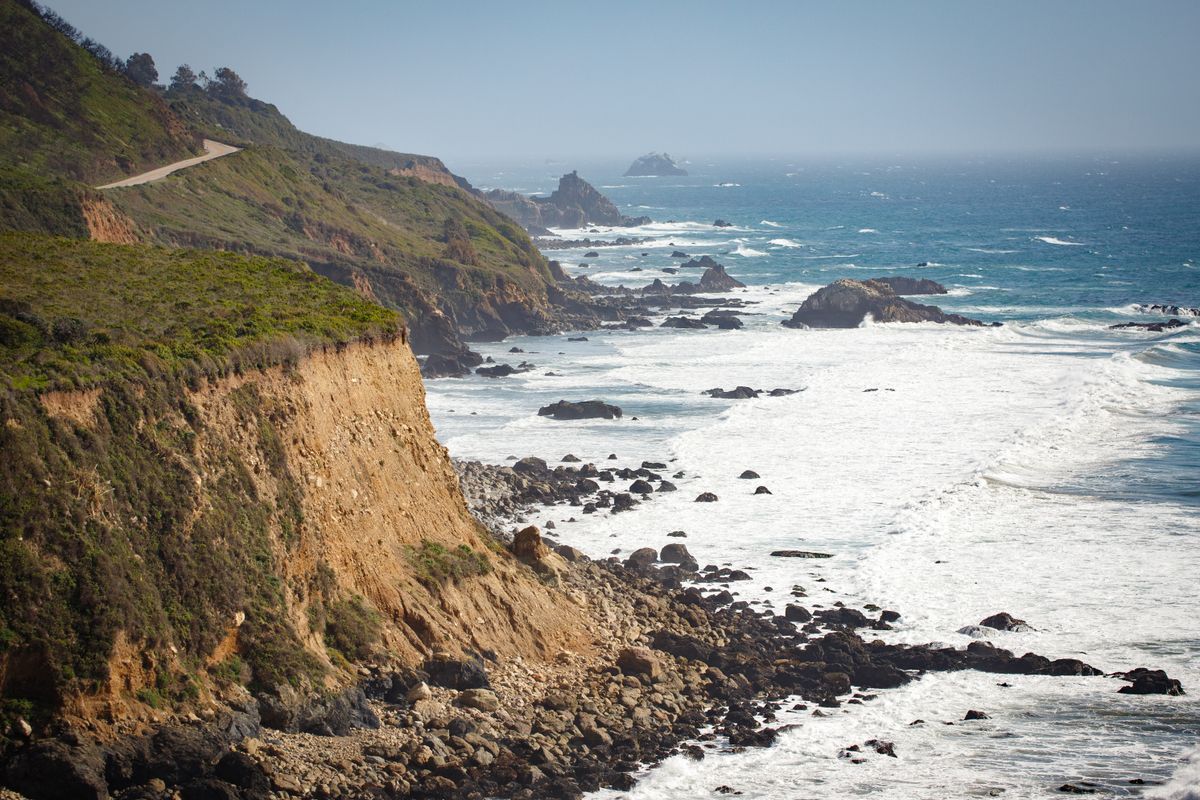
Cambria — this is the coast these pages are about.
Quick answer: Stump Grinding in Cambria — A stump is the part of the problem that is still in the ground: it holds the roots that lift pavement, keeps a species alive if it re-sprouts, and occupies the spot where the next planting goes. Grinding removes it below the surface so the ground can be worked again, and the roots that matter are the ones under the driveway rather than the ones beside the trunk.
- Typical timing: Any month the ground is workable; rain-softened soil grinds fastest and leaves the cleanest spoil.
- What it involves: Assessing re-sprout risk by species, grinding below grade, raking the spoil back, and handling surface roots separately from the stump.
- The standard: ISA guidance on root cutting and the ANSI A300 pruning standard where roots and crown are worked together.
- Where we work: Cambria, San Simeon, Harmony, Cayucos, Morro Bay, Los Osos and the Cambria pine belt.
- Our own record: 503 pages and 291 stories published on this site. Counted from our own archive, not a stock table.
Field note. On this coast the stump is rarely the end of the job: Monterey pine and eucalyptus both keep enough energy in the roots to push new growth, so we are looking at the species before we quote the grind rather than after.
On the other hand, a stump left in a garden bed is sometimes the better answer — it decays, feeds the soil and costs nothing — so grinding is a choice, not a rule.
Stump Grinding in Cambria
A stump is not a leftover. On the coast it is a resprouting machine, a trip hazard on a fog-wet path, and — on the terraces above Santa Rosa Creek — the first thing that erodes when the winter rain arrives. Grinding it out is the difference between a finished removal and an open question in your yard.
What grinding does and does not remove
A stump grinder turns the stump and its surface roots five to eight inches below grade, well under the layer most lawns actually root in. That is enough to mow over, plant over and build a path across. It is not a root extraction: the deep anchor roots of a big pine or eucalyptus stay in the ground and decay on their own schedule.
For a replanting hole, a spoil pile or a fence line, the remaining roots rarely matter; for a driveway reconstruction or a foundation, they can, and we say so before the grinder arrives.
The resprout question
Eucalyptus, willow and the coastal sycamores will push new shoots from a stump that was only cut. Grinding is the first half of the answer; the second is following the flush and knocking it back through the first season, which we build into the plan for those species. A Monterey pine or cypress does not resprout, so the job there is simpler — and the buried wood becomes a slow fertilizer for whatever you plant next.
What it costs, and what changes the number
Stump grinding is priced on access and size, in that order. A twenty-inch pine stump in the middle of a lawn is an hour of work. The same stump behind a fence, up a slope, or surrounded by irrigation lines and mature plantings is a careful half-day, because the grinder has to reach the stump and nothing else.
Most Cambria jobs involve some version of that second case, and the quote reflects the routing of the machine, not just the diameter of the wood.
Three variables move the number most. Distance comes first: a grinder that cannot get within a hose length of the stump means hand work before the grinding begins. Buried services come second: irrigation, gas and landscape lighting are common in planted yards, and we ask before the machine arrives. The chips come third.
Leaving them mounded on site is the cheapest option; hauling them off and backfilling the hole with soil is the cleanest, and it is what most homeowners choose when the ground is going to be planted or sodded.
Depth matters too. Grinding eight to ten inches below grade is standard for a lawn or a garden bed. If a driveway, patio or structure is being built over the stump's location, the specification changes and the job is quoted differently, because construction-grade clearance means going deeper, wider, and sometimes following surface roots well beyond the stump itself.
One more honest note: a stump near a foundation, a sewer line or a retaining wall deserves a conversation before a grinder is scheduled. The machine does not know what is buried, and the operator only knows what the homeowner remembers. When in doubt, we locate first and grind second.
What we leave behind
Grinding usually pairs with a removal — see how we plan a Cambria removal — and with the general stump grinding service page. If you are outside town, the locations page covers the rest of the coast.
- The hole, dressed: grindings raked, excess chips hauled or left on request, soil backfilled and tamped to grade.
- The grade, protected: on a slope, the ground is stabilized so winter water runs around the wound, not through it.
- The plan, honest: if the location is better left buried and planted over than ground out, we will say that too.
More Tree Services in Cambria
One crew covers all of Cambria, so the estimate is one call: (805) 927-4414. Every service below has its own page written for Cambria conditions.
About Our Cambria Tree Service
tree service in Cambria
the local, licensed and insured crew behind this work, with every service in one place.
(805) 927-4414Questions, quotes, or just exploring — we’re here to help.