
Cambria Tree Care 101: What to Cut, When, and Who to Hire
Quick answer: Cambria Tree Care 101: What to Cut and When — Pruning is a plan before it is a cut: deadwood and broken limbs first, then clearance from roofs, wires and paths, then the structure the tree will carry for the next decade. The right cut heals and the wrong one invites decay, which is why the order matters more than the number of cuts.
Field note. What we see on this coast is a pruning calendar that does not match the inland one: salt air, fog and wind mean a cut that would be minor in the valley can be the one that opens a crown to decay here, so we look at the species and the exposure before the season.
On the other hand, not every tree wants to be pruned: leaving a healthy canopy alone is a decision that pays, and a tree with plenty of space is often better served by doing nothing.
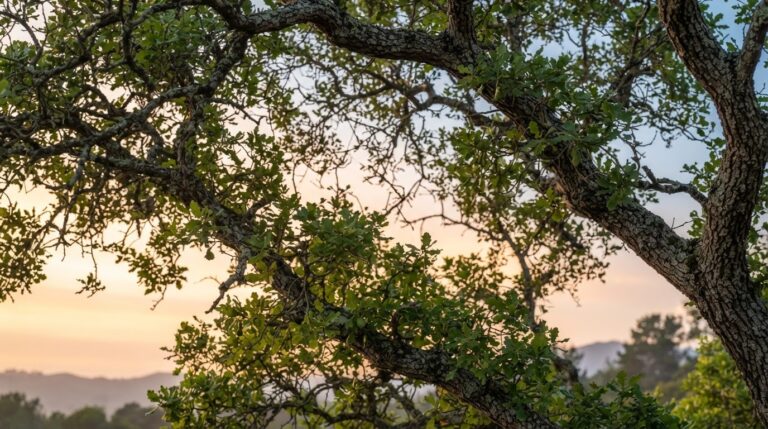
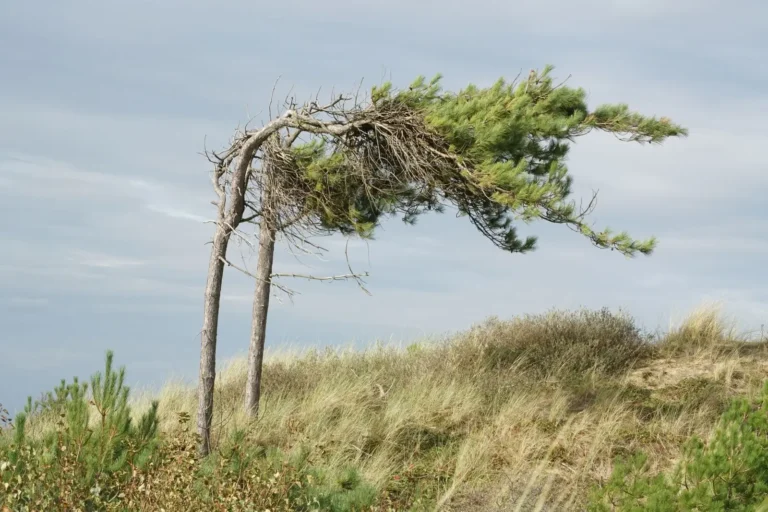
Cambria’s trees are the reason half of us ended up here. The fog-draped Monterey pines, the wind-shaped cypress, the oaks holding the same pose for a century — they’re the town’s signature. They’re also living infrastructure that needs real upkeep. So if you’ve searched your way here with a leaning pine on your mind, this is the complete guide to tree trimming for Cambria homeowners: what to cut, when to cut it, and how to find a crew worth hiring.
Why Tree Trimming Matters More in Cambria
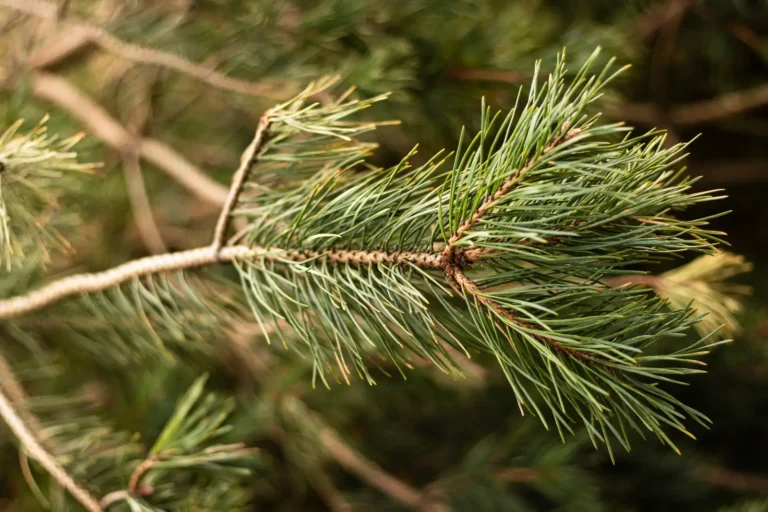
Cambria sits inside one of the last native Monterey pine forests on Earth — a stand that survives only in a slim coastal fog belt. Those pines, along with coastal live oaks and salt-battered cypress, cope with genuine stress: drought cycles, ocean wind, and diseases like pitch canker that target weakened trees. A clean, well-placed cut reduces that stress. A ragged, rushed one adds to it.
Fire is the other reality. San Luis Obispo County’s community wildfire protection planning has flagged the region’s elevated risk, and California’s defensible space rules make tree care the homeowner’s responsibility. A properly trimmed tree drops less fuel near your roofline, lets coastal wind pass through instead of catching it like a sail, and stands a far better chance in a fire event. Upkeep here isn’t cosmetic — it protects the canopy that protects you.
Season by Season: The Complete Guide to Tree Trimming for Cambria Homeowners
Timing is where most well-meaning trimming goes wrong, especially with pines. For most species, late fall through winter is the sweet spot: trees are dormant, sap flow slows, and disease pressure drops, so cuts close cleanly. With Monterey pines, arborists generally avoid major pruning in warm months, when bark beetles are active and drawn to fresh wounds — a bad season to roll out the welcome mat.
Dead or hazardous limbs are the exception: they come off the moment you spot them, any month of the year. In drought years, go lighter still, because a water-stressed tree heals slowly. And after a big winter storm, inspect before you hack. Storm-damaged trees usually need selective cuts, not a buzz cut.
What to Cut — and What to Leave Alone
Good trimming is selective. A short punch list:
- Dead, cracked, or hanging branches — remove them before gravity or wind does it for you.
- Branches touching the roof or crowding the chimney. Keep a generous gap so embers and dampness both lose their landing spot.
- Crossing limbs that rub and wound each other with every gust.
- Lower branches on mature trees near structures — limbing them up shrinks the ladder fuels that carry ground fire into the canopy.
- Suckers and water sprouts, the fast, weak shoots that clutter a crown.
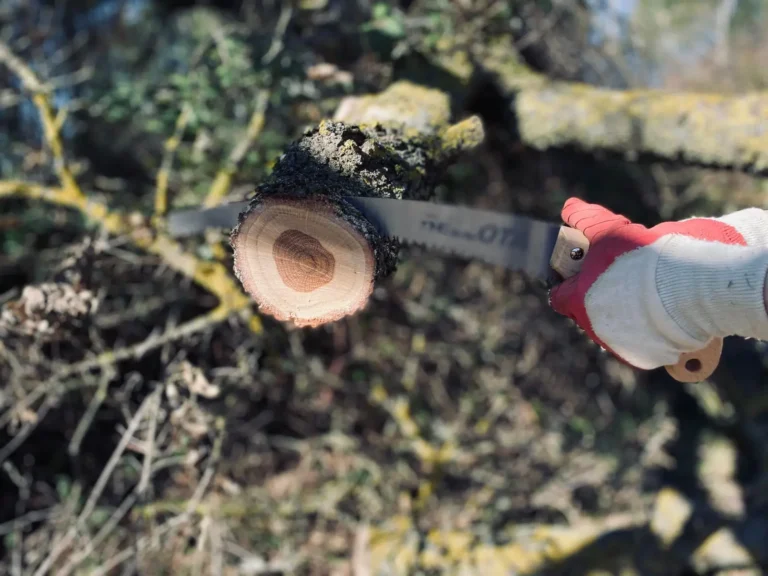
Restraint matters just as much. Never top a tree — topping invites weak regrowth and rot. Skip pruning paint, too; trees seal their own wounds. Make each cut just outside the branch collar, and by a widely used rule of thumb, remove no more than roughly a quarter of the live canopy in one season. Your tree needs leaves more than it needs to be picture-perfect.
Hiring Help in the Age of Online Everything
Vetting a tree service no longer means taking a neighbor’s cousin’s word for it. Read recent reviews and look for patterns, not one-off gripes. Ask for photos of past jobs — reputable crews keep before-and-afters on their websites and social feeds. Confirm liability insurance and workers’ comp, and request a certificate rather than a promise. An ISA certified arborist is a strong signal, and a written, itemized estimate beats a number scrawled on a business card every time. Collect two or three quotes for anything major.
Two red flags: crews that knock right after a storm and push for an instant decision, and anyone offering cash-only with no paperwork. One absolute rule — if a branch is anywhere near a power line, stop. The tree care industry’s documented electrocution incidents are exactly why line-clearance work belongs to trained, utility-coordinated crews. No branch is worth your life.
Cambria’s trees are a rare asset, and they reward homeowners who treat trimming as routine care rather than crisis response. Work in the cool season, cut for tree health and fire safety, stay clear of power lines, and bring in insured professionals for anything beyond a pole saw and a steady ladder. Do that, and your pines and oaks will keep doing what they do best — making this town look like nowhere else.
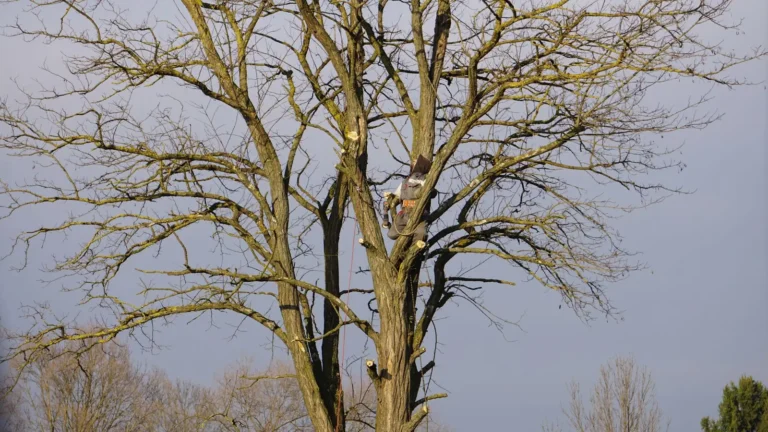
Pruning to ISA standards is what keeps a tree’s structure sound through the next wind season. tree trimming and pruning.
See our Cambria Pines Tree Service for the full range of work we handle in Cambria.
Leave a Reply