Pruning for Yield: The Cuts That Make Fruit
Quick answer: Pruning for Yield: The Cuts That Make Fruit — Fruit trees are pruned to a different standard from shade trees: every cut is aimed at light and air reaching the fruit, at a structure that holds a heavy crop without breaking, and at a canopy low enough to pick from. On the coast the fog changes the calendar, so the cut is timed to the tree rather than to a date on a chart.
Field note. What we see is that the fog belt shifts everything later: trees here come out of dormancy slowly, so a hard winter cut taken on a warm-inland schedule can expose wood that has no leaves to shade it yet.
On the other hand, a tree that has been let run for years often does better with two or three years of patient cutting than with one hard reset.
Ask why a fruit tree stopped cropping and the answer is usually light. Not water, not fertilizer: light. A tree that is pruned for shape alone becomes a shell of leaves with fruit only at the outside, and the inside goes blind and eventually dies back.
The useful way to think about it is by the age of the wood that carries the fruit, because that is what pruning is actually managing.
Where the fruit comes from
Apples and pears mostly fruit on short, stubby spurs that form on wood two years and older. Some varieties are tip bearers and fruit at the end of last year’s growth instead, which changes everything about how much you can cut. Plums, cherries and peaches fruit on one-year wood, so last summer’s growth is next summer’s crop. Figs fruit on new growth and are almost unprunable in the usual sense.
If you do not know which habit your tree has, watch it for a season before cutting. The tree will show you where the flowers come from.
The light rule
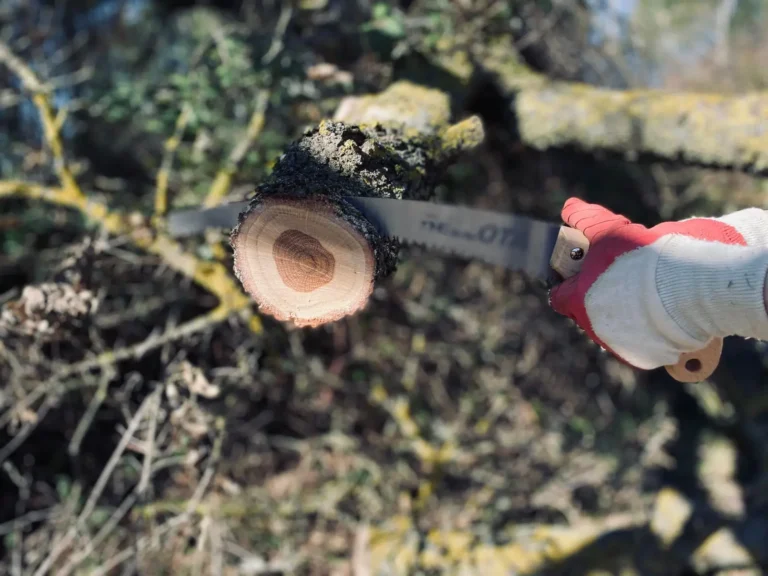
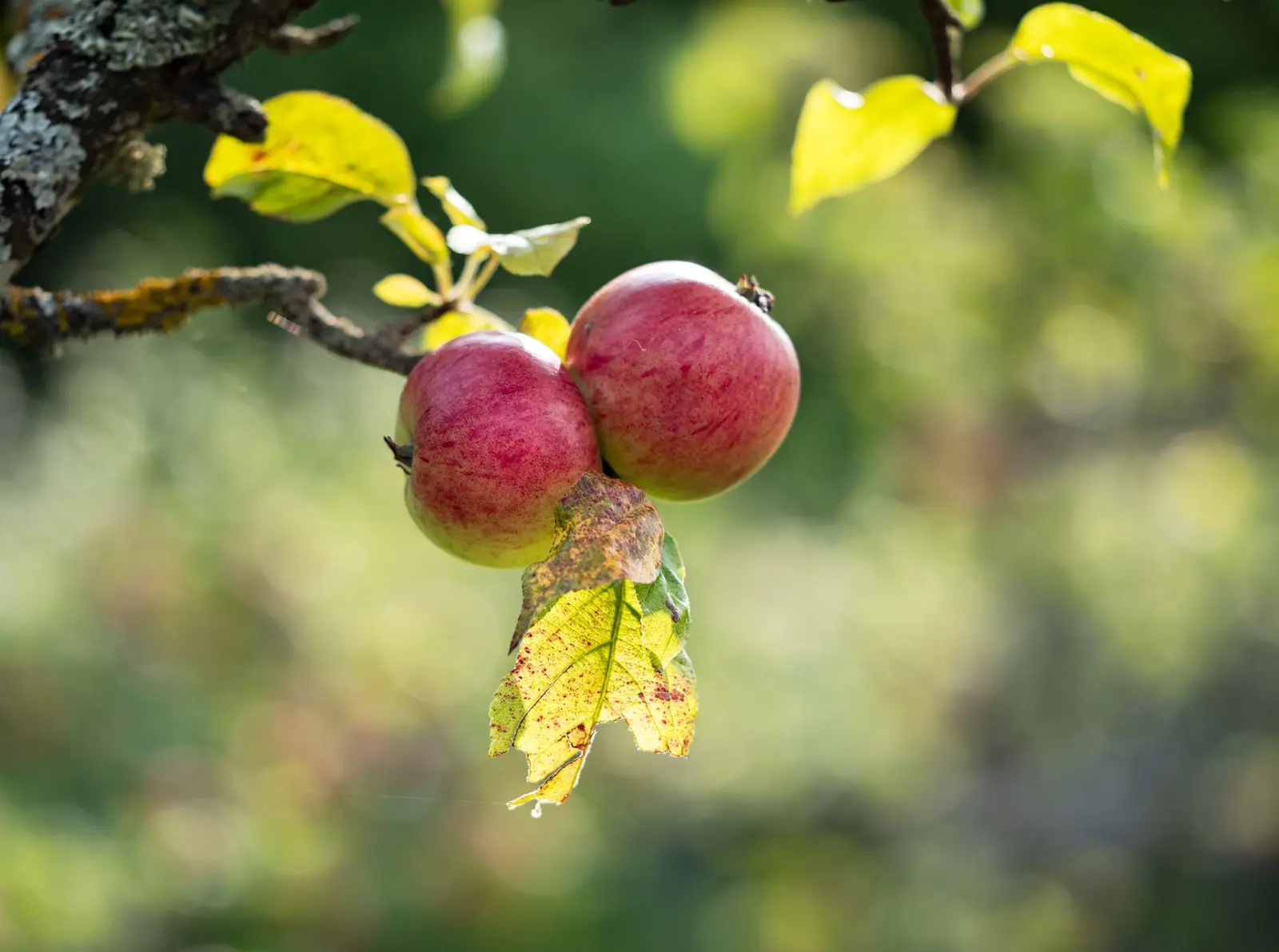
A fruiting canopy needs about thirty percent light reaching the interior to keep the spurs alive and the fruit coloured. That is more than most people imagine, and it is the reason a dense, well-shaped tree can crop poorly. Thinning is the cut that fixes it: remove whole branches at their origin rather than shortening everything at the edge.
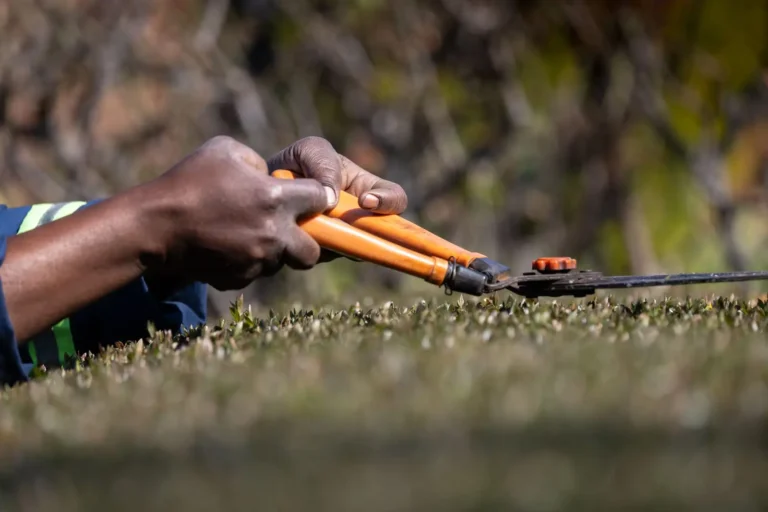
Hedge-trimming a fruit tree is the opposite of this. It produces a dense shell, shades the interior, and puts all the fruit at the boundary where it is hardest to reach.
The three-year rotation
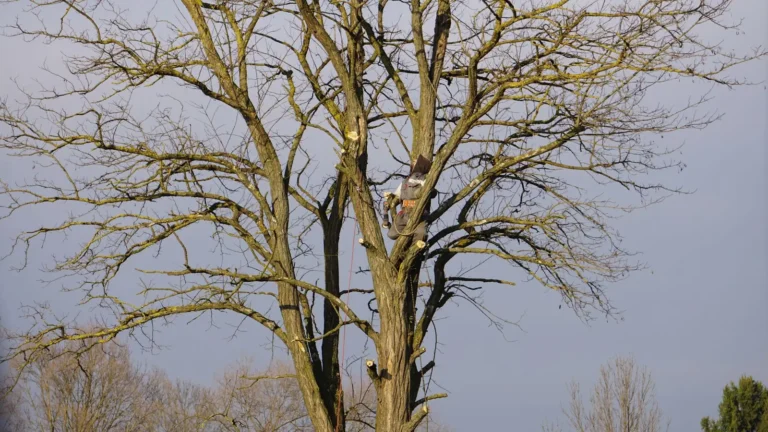
Divide the canopy into three and prune one third each year. That gives you a cycle where every branch is renewed within three seasons and no year is a shock. In practice: year one the oldest scaffolds, year two the middle, year three the youngest and the water sprouts. Then start again.
Within each section, the cuts are: dead and damaged wood, branches that cross or rub, water sprouts growing straight up, and the oldest spur system on the most crowded limbs. Leave the rest. A tree that is pruned this way never looks bare and never stops cropping.
Summer versus winter, for yield specifically
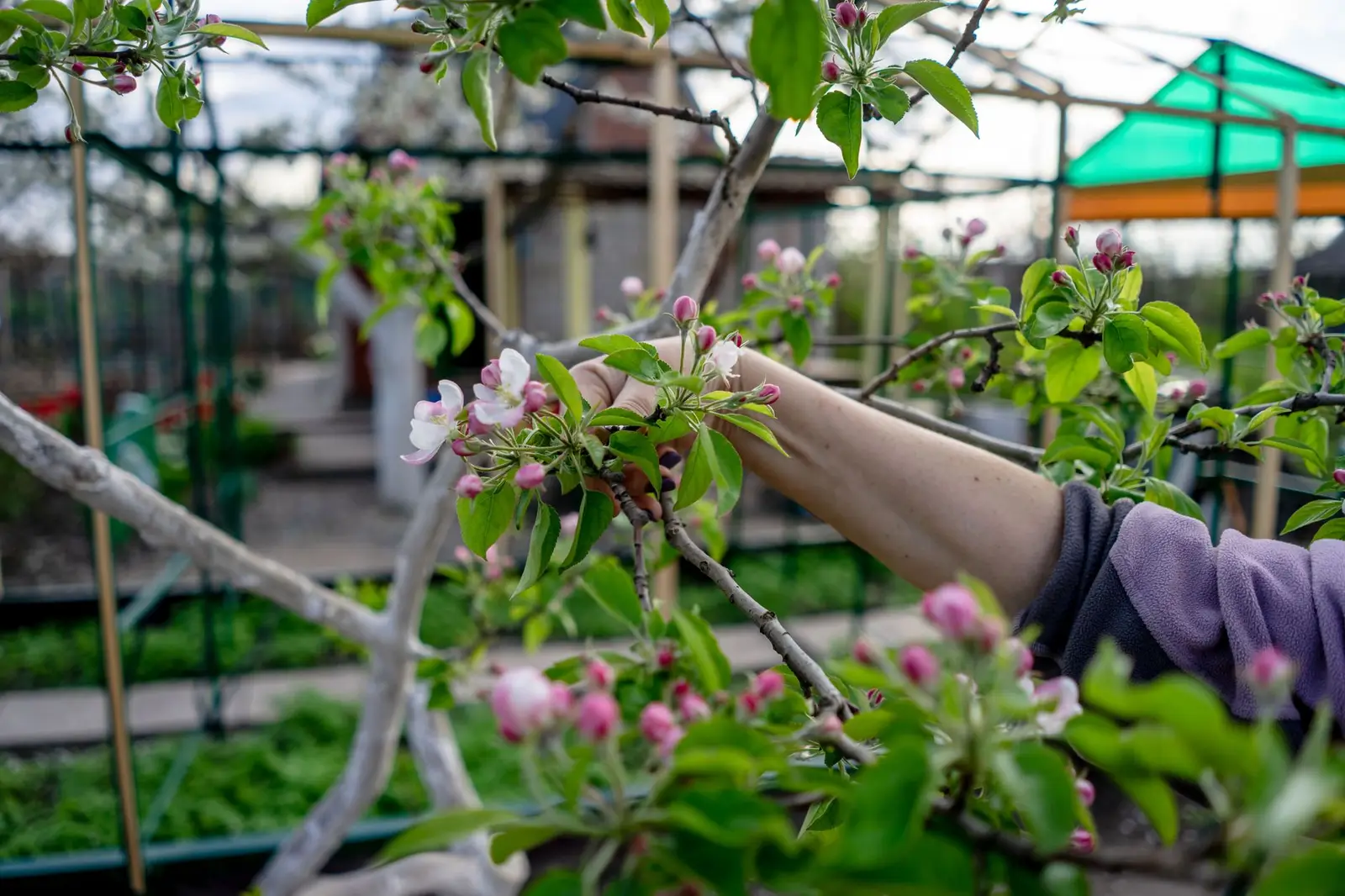
Dormant pruning invigorates: the tree responds with vigorous growth, which is useful for a young tree that needs structure and unhelpful for a mature one that needs fruit. Summer pruning, in August, removes leaves that were making sugar and therefore reduces vigour, which is exactly what you want on a tree that is growing too much wood and fruiting too little.
So for yield on a mature tree: light dormant structural work in the dry gap after the rains, and the size and density work in August. On this coast, do not prune stone fruit in wet weather; the wounds are an open door.
The young tree, which is the one that matters
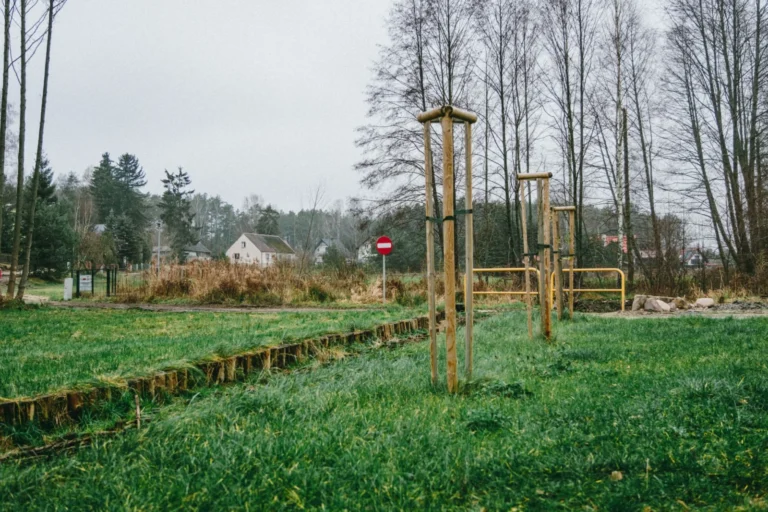
Every yield conversation about a mature tree is a conversation about correcting twenty years of neglect. Every yield conversation about a tree in its first five years is a conversation about not creating the problem. If you plant one fruit tree this winter, the pruning you do in years two through five decides what the tree can ever produce.
The goal in those years is not fruit. It is a strong framework: a single leader, three or four well-spaced scaffolds at wide angles, and no permanent branch directly above another. Wide angles are stronger because the wood fibres run continuous instead of folding back on themselves; a narrow V is the union that splits in a loaded year.
Remove nothing that is not competing. A young tree needs leaves to build a trunk. The common mistake is to cut it back hard to make it branch, which sets it back a year and produces a dense, weak crown. Take out the second leader, the branch that crosses, and anything growing straight up through the middle. Then leave it alone until next winter.
By year four the tree has a shape you can read. That is when the first renewal cuts begin, and when the three-year rotation takes over. Fruit arrives when it arrives — a dwarf apple in year three, a standard pear in year seven — and the wait is shorter on a tree that was never cut back to a stump of itself.
One last thing: thinning the fruit itself, in late spring, does more for size and next year’s crop than any cut. A tree that carries two hundred apples will give you two hundred small ones and a light year after. Take half of them off in June and the remaining half will be worth eating.