The Maintenance Arithmetic: What Deferred Tree Care Costs
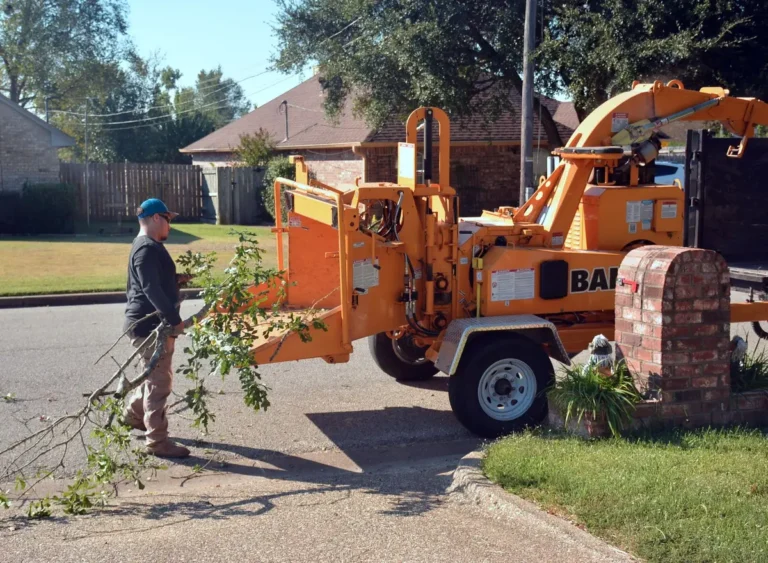
Quick answer: The Maintenance Arithmetic: What Deferred Tree Care Costs — Tree work is priced from the tree and the site rather than from a rate card: access, height, lean, what is under it, how the wood comes down, how far it has to travel and what happens to the stump all move the number. That is why a written quote names the work line by line instead of quoting one figure over the phone.
Field note. What we see is that the quotes people worry about are rarely the expensive ones: the job that costs the most is the one re-done, and a plan that protects the driveway, the fence and the roof is cheaper than the repair.
On the other hand, the cheapest quote is not automatically the worst value — the honest comparison is what each one includes, and a figure with no line items is the one that changes later.
Nobody wants to spend four hundred dollars on a tree that looks fine. That is the entire emotional basis of deferred maintenance, and it is why the same properties produce a small pruning invoice every five years or a large emergency invoice once.
The two columns
Maintained: a structural prune every five to seven years on a mature oak, deadwood as needed, an inspection after big storms. On a typical Cambria parcel with six or eight mature trees, that is a few hundred dollars a year averaged out.
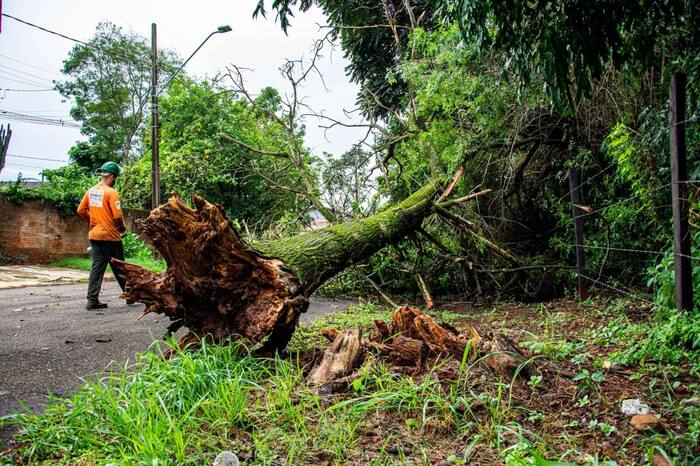
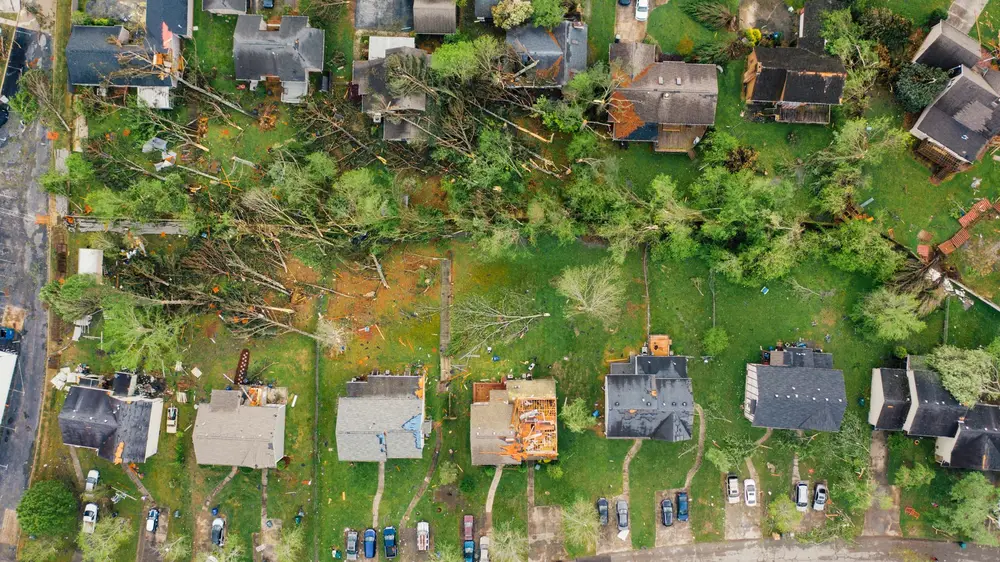
Deferred: a limb through the roof (roof repair, interior water damage, insurance deductible), a removal that now requires a crane because the tree is over the house rather than beside it, and a premium increase after a claim. The removal alone can be three to five times the planned version, because access is worse and the target is closer.
The compounding part
Trees do not fail on a schedule; they accumulate defects. A codominant union gets wider every year. A cavity gets larger. A root plate gets weaker as the soil around it is compacted by another season of parking. None of those are emergencies until they are, and the cost curve is not linear — it is flat for twenty years and then vertical.
What maintenance actually buys
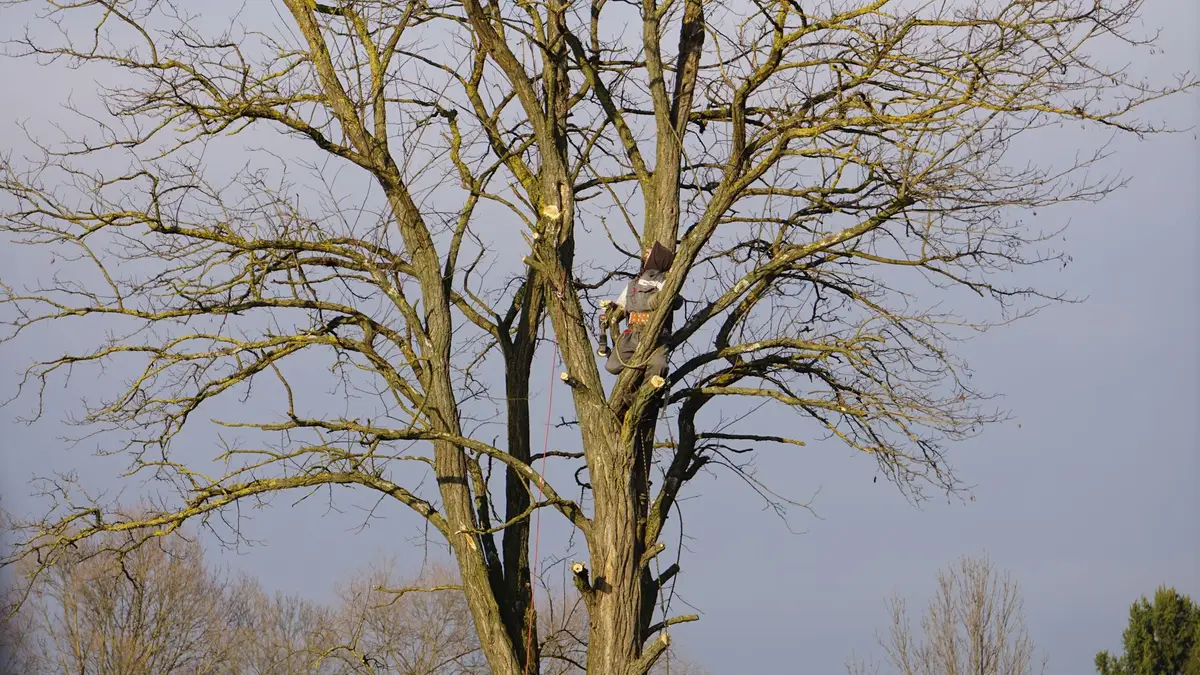
It buys the option to choose. A tree that is pruned on a cycle is removed, if it must be, on a Tuesday in September with a plan, a quote and three bids. A tree that fails is removed on a Saturday in January with a credit card. The difference in price is not the tree. It is the timing.
The insurer's view, briefly
Most homeowners policies cover a sudden failure onto a structure and exclude neglect. That distinction is hard to prove either way, but a documented maintenance history makes the conversation shorter. Photographs and invoices are the cheapest evidence you will ever own.
The break-even, roughly
Take a parcel with six mature trees and a structural prune every six years at roughly six hundred dollars a visit. That is a hundred dollars a year. A single limb through a roof — roof repair, drywall, paint, a deductible and the premium conversation that follows — is usually five to fifteen thousand. The maintenance pays for itself the first time it prevents one event, and the arithmetic after that is all margin.
That is not an argument for pruning everything. It is an argument for knowing which trees carry the risk and spending the hundred dollars a year on those.
The honest summary: maintenance does not save money in a spreadsheet you can show a buyer. It saves money by keeping the expensive event from happening on a day you did not choose. That is worth a few hundred dollars every few years, and it is the only version of this argument that survives contact with a real budget.