


Getting the Bay View Back, Legally
View Clearing & Restoration in Los Osos, CA
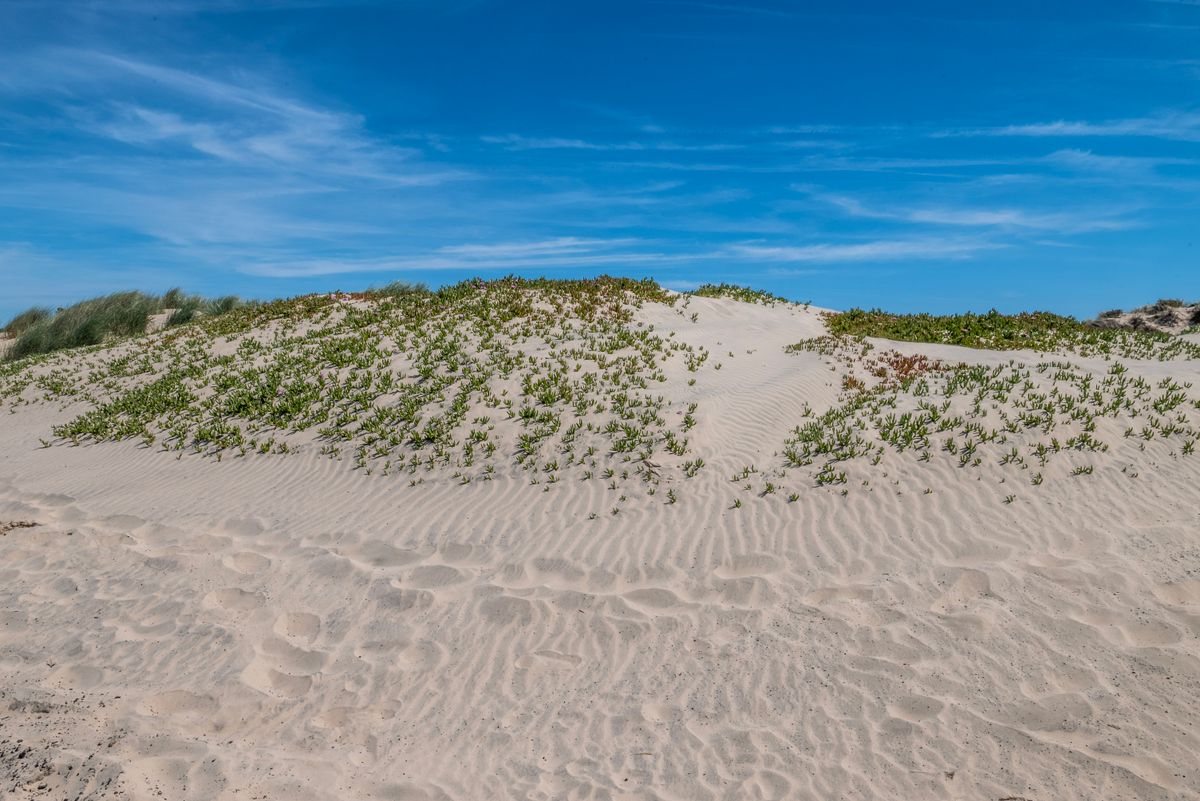
Los Osos — this is the coast these pages are about.
Quick answer: View Clearing & Restoration in Los Osos, CA — Trees on this coast live with fog, salt, wind and thin soil, and the work that keeps them healthy is decided by those conditions rather than by a calendar written inland. Structure, clearance and the root zone are what a tree here needs looked at, and small work done early is what keeps a tree out of the emergency list.
- What it involves: Structural pruning, clearance from structures and wires, deadwood removal, root-zone care and hazard assessment.
- Typical timing: Structural work in the dormant months; deadwood, clearance and hazard work whenever the tree needs it.
- The standard: The ISA standards for pruning and tree risk assessment, applied by ISA-certified arborists.
- Where we work: Cambria, San Simeon, Harmony, Cayucos, Morro Bay, Los Osos and the Cambria pine belt.
- Our own record: 503 pages and 291 stories published on this site. Counted from our own archive, not a stock table.
Field note. What we see on this coast is that the trees people worry about are usually not the ones in trouble: the pine with a clean crown and a lean that predates the house is often sounder than the tidy tree that has been quietly drowning in its own root zone.
On the other hand, there is no schedule that suits every tree — the same species on two sides of one street can need opposite care, which is why we look before we recommend.
A bay view in Los Osos is a perishable thing. The pines that were saplings when the house was built are now forty feet tall, and the water that was framed in the kitchen window is behind a wall of green. View clearing and view restoration is how that horizon comes back without butchering the trees or starting a boundary fight with the neighbour whose branches are in the way.
The View Came Back Because the Trees Grew
The first thing worth understanding is why the view closed. On the bay side of town the growth is fast — Monterey pine and cypress put on height quickly in this climate, and a screening tree between two lots can close a sightline in a decade. This is not a one-time problem, and a plan that assumes one visit will be disappointed within a few years.
Opening a Sightline Without Topping
The technique is windowing and selective reduction. Windowing removes or shortens specific limbs that cross the sightline, leaving the tree's outline and its leaders intact, so the tree keeps its shape and you get a rectangular opening at the height the view actually sits. Reduction takes the ends off a limb that has grown above the corridor.
Neither involves cutting the top out of the tree — a topped pine will regrow denser and lower, block the view again within a few years, and be permanently uglier.
Whose Tree Is It
This is where view work stops being a pruning question. Branches over a property line belong to the tree's owner, and while there is a long-standing right in California to trim what overhangs your own land, the rules tighten sharply for protected species and native oaks, and a coastal parcel here can bring county rules and coastal review into the conversation.
Cutting past the boundary, or killing a neighbour's tree by over-pruning a limb you are technically allowed to touch, is a liability problem dressed as a gardening problem. Permits and tree ordinances covers which trees are protected before anyone gets out a ladder.
Doing It in the Right Order
- Confirm the boundary and which trees are protected.
- Decide the actual sightline — the height and width of the view you are trying to recover — rather than simply cutting whatever looks tall.
- Window and reduce, taking a modest amount, in the cooler part of the year.
- Plan the second visit, because the growth will not stop.
Where the Line Is
View clearing is selective pruning for a sightline. It is not land and lot clearing, which is wholesale and goes to the ground, and it is not fire clearance, which is about hazard and defensible space rather than what you can see. Where a limb over your roof is the issue rather than the horizon, crown raising is the narrower answer.
Tell us where the view used to be seen from and send photographs standing at that spot. Call (805) 927-4414 or use our contact page, and start at our Los Osos page.
Questions, quotes, or just exploring — we’re here to help.