


The Pruning That Pays Off in Thirty Years
Structural Pruning in Los Osos, CA
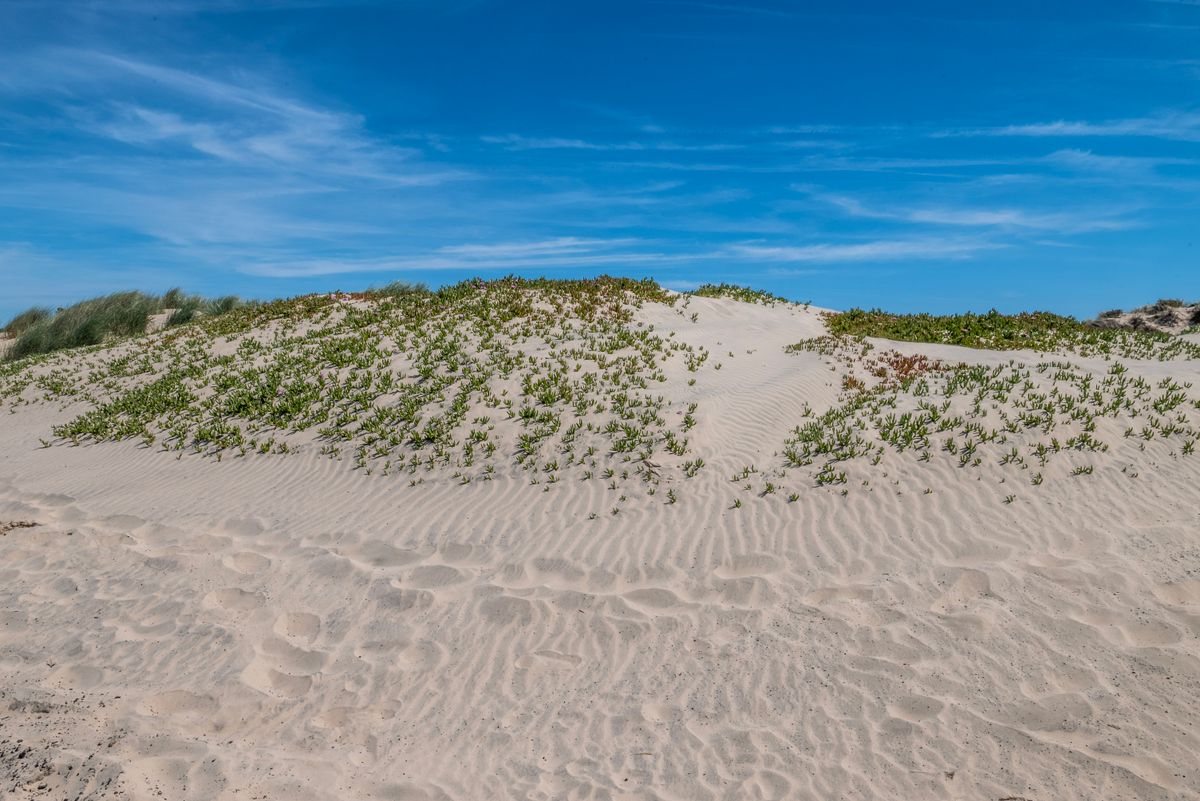
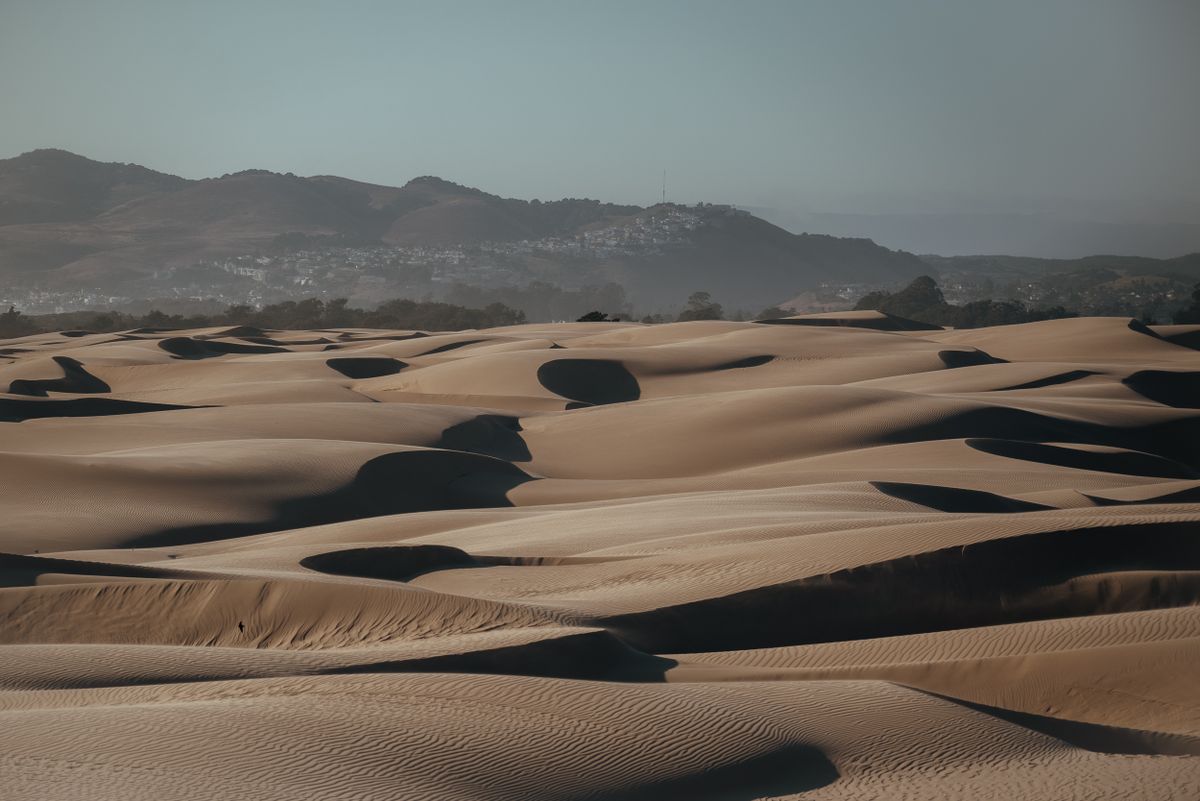
Los Osos — this is the coast these pages are about.
Quick answer: Structural Pruning in Los Osos, CA — Pruning is a plan before it is a cut: deadwood and broken limbs first, then clearance from roofs, wires and paths, then the structure the tree will carry for the next decade. The right cut heals and the wrong one invites decay, which is why the order matters more than the number of cuts.
- Typical timing: Structural work in the dormant months, light clearance and deadwood any time the tree is not under stress.
- What it involves: Removing dead and crossing limbs, thinning to let light through, lifting low limbs for clearance, and never topping a tree.
- The standard: The ANSI A300 pruning standard as applied by ISA-certified arborists — including the three-cut method on every limb worth saving.
- Where we work: Cambria, San Simeon, Cayucos, Morro Bay, Los Osos and the towns between.
- Our own record: 503 pages and 291 stories published on this site. Counted from our own archive, not a stock table.
Field note. What we see on this coast is a pruning calendar that does not match the inland one: salt air, fog and wind mean a cut that would be minor in the valley can be the one that opens a crown to decay here, so we look at the species and the exposure before the season.
On the other hand, not every tree wants to be pruned: leaving a healthy canopy alone is a decision that pays, and a tree with plenty of space is often better served by doing nothing.
Almost every expensive tree problem in Los Osos was decided by a fork. Two leaders of equal size growing from the same point, each pushing away from the other, with bark pinched between them — that is an included union, and it does not strengthen as the tree grows. It becomes a failure plane in a wind-loaded pine. Structural pruning is the work that prevents it, and it is done young, cheaply, long before anyone notices.
What Structure Means in Practice
A well-built tree has one dominant central leader, scaffold branches spaced along it rather than clustered at one height, and unions that are wide-angled enough to have formed a strong collar of wood.
Structural pruning develops exactly that: it subordinates competing stems rather than cutting them off, shortens a branch that is outgrowing the leader, and removes the doubles while they are still small enough that the cut is a snip rather than a decision about a third of the crown.
Why It Is Cheap Young and Expensive Later
On a nursery-sized pine or cypress, a structural pass is an hour of work with a pole pruner and hand saw, done every few years while the tree grows. On a mature tree with an established codominant fork twenty feet up, the options narrow: reduce one side over several years, cable and brace the union and inspect it forever, or remove the tree.
The first costs a fraction of the others, which is why we push early structure on the young trees going into these dune lots.
Subordination, Not Decapitation
The most common mistake with structure is cutting the competing stem out entirely. That removes a large fraction of the crown in one stroke and often produces a worse tree — a one-sided crown with a large wound.
Subordination is the correct technique: shorten the competitor back to a lateral each time, let the chosen leader gain dominance gradually, and remove the subordinate stem only when the tree is strong enough to lose it. It takes patience and it produces a tree with no fork.
When the Fork Is Already There
On a mature pine or oak with an included union, structural pruning is no longer the tool. That is where crown reduction on the heavy side and support hardware come in — cabling and bracing for the union itself, on an inspection schedule rather than a one-time fix. And where the union is already failing, it is a removal question: hazardous tree removal.
What We Look For on a Walk
On a young tree: doubled leaders, a cluster of branches at one node, a low fork in a tree that will be large, a main limb heading straight across the leader. On an established tree: junctions with bark pinched between the stems, cracks at the union, one side already thinning. Naming those on the first visit is the whole point of the visit.
Tell us the age and species of the tree and what it will grow into. Call (805) 927-4414 or use the contact page, and start at our Los Osos page.
Questions, quotes, or just exploring — we’re here to help.