


Thinning a Crown in the Bay Wind
Crown Thinning in Los Osos, CA
Los Osos — this is the coast these pages are about.
Quick answer: Crown Thinning in Los Osos, CA — Pruning is a plan before it is a cut: deadwood and broken limbs first, then clearance from roofs, wires and paths, then the structure the tree will carry for the next decade. The right cut heals and the wrong one invites decay, which is why the order matters more than the number of cuts.
- Typical timing: Structural work in the dormant months, light clearance and deadwood any time the tree is not under stress.
- What it involves: Removing dead and crossing limbs, thinning to let light through, lifting low limbs for clearance, and never topping a tree.
- The standard: The ANSI A300 pruning standard as applied by ISA-certified arborists — including the three-cut method on every limb worth saving.
- Where we work: Cambria, San Simeon, Cayucos, Morro Bay, Los Osos and the towns between.
- Our own record: 503 pages and 291 stories published on this site. Counted from our own archive, not a stock table.
Field note. What we see on this coast is a pruning calendar that does not match the inland one: salt air, fog and wind mean a cut that would be minor in the valley can be the one that opens a crown to decay here, so we look at the species and the exposure before the season.
On the other hand, not every tree wants to be pruned: leaving a healthy canopy alone is a decision that pays, and a tree with plenty of space is often better served by doing nothing.
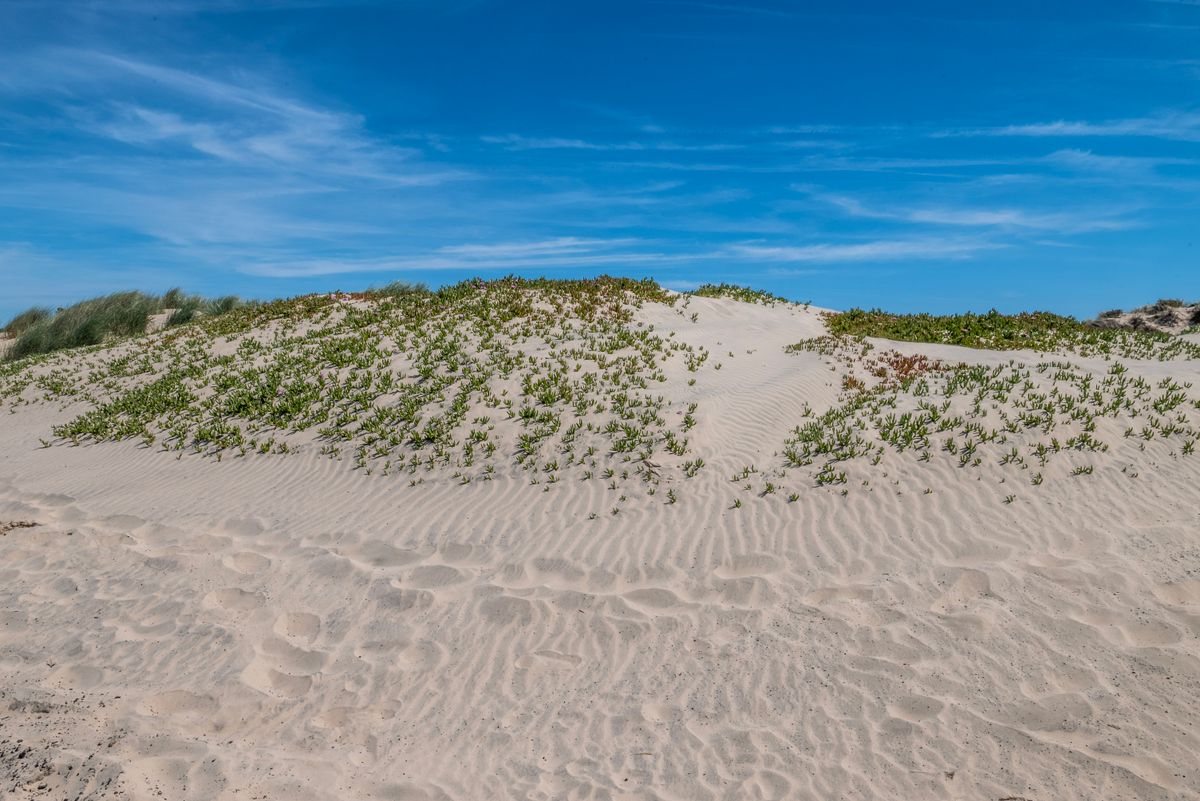
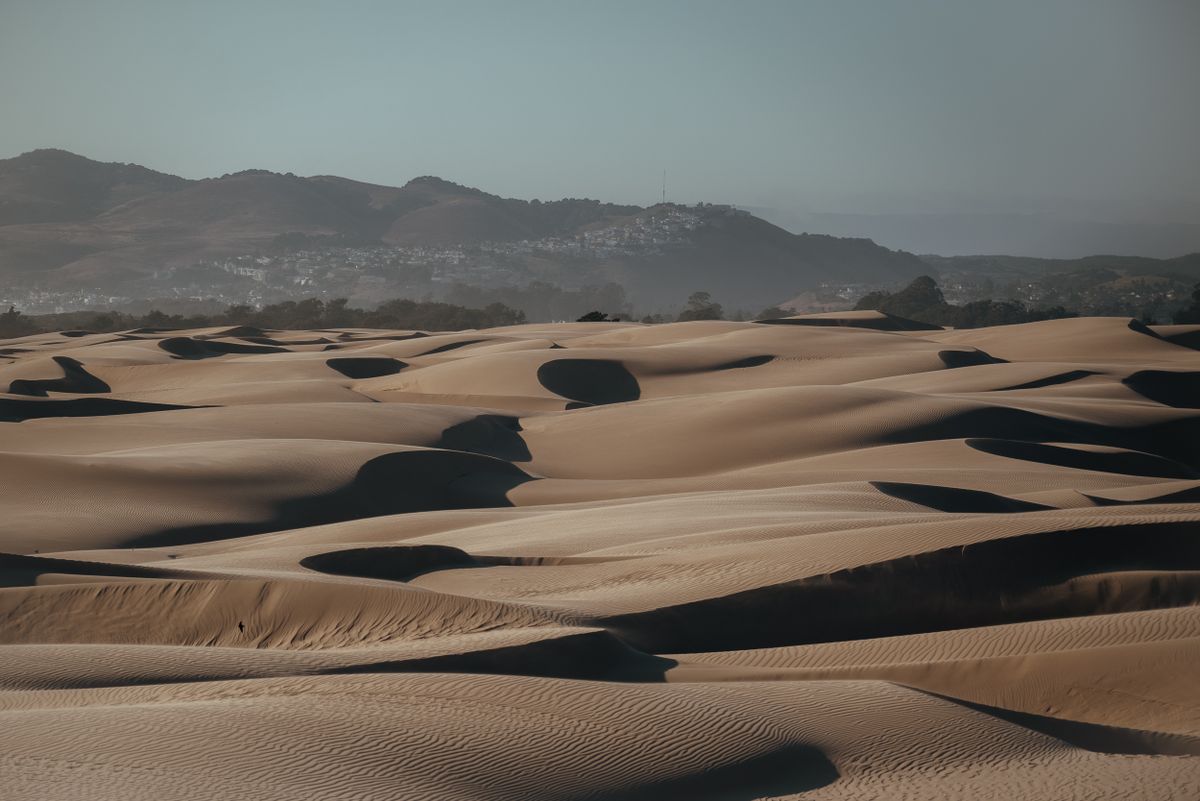
Crown thinning in Los Osos is a wind job wearing the clothes of a light-touch job. The pines and cypress on these dunes grew in open exposure, which is why their crowns are dense and lopsided and why the northwesterly finds so much sail to push on. Thinning takes selected branches out of the interior so the air passes through instead of loading the tree.
What Thinning Is, Exactly
Thinning removes live inner branches from the crown without shortening the tree or changing its outline. The cuts come from the interior and the middle, leaving the leaders and the outer branch tips in place. Done properly the tree looks airier, not smaller — and that distinction is the whole point, because a pine that has been shortened to look thinner has not been thinned at all.
The Failure Modes, Both Common Here
Lion's tailing strips the inner branches and leaves foliage bunched at the tips.
It looks neat from the street and it wrecks the tree: the weight moves to the ends of long levers, the branch can no longer feed itself from inner foliage, and the crown that was going to break that wind now snaps instead. Over-thinning takes too much in one pass, which forces the tree to push a burst of epicormic growth — soft, weakly attached shoots that in a few years are a worse crown than the one that was there.
The guidance behind both is dosage: thinning is meant to be a modest reduction of density on live branches of an appropriate size, cut at the branch collar so the tree can seal the wound. More than that in a single visit is not a better job, it is a faster route to decline.
Why It Matters on Dune Sand
A pine on a shallow root plate is already working against a lever. Wind load on the crown is what the plate has to resist, and a dense crown in full exposure is the biggest term in that sum. Thinning reduces the load without removing the windbreak — which matters on a lot where the tree is doing real work for the house behind it. That is also why we would rather thin a sound pine than take it down.
Timing and What We Leave
Pruning here belongs in the cooler, drier part of the year, with the wound-sealing window in mind and the bark beetles that follow stressed trees uppermost. Debris is chipped, and on dune sand the chips are worth leaving as a mat rather than hauling — see chipping and debris haul-away. Where the crown needs the ends taken back rather than the interior opened, that is crown reduction, a different cut with a different risk.
Send photographs of the crown from two sides and from underneath, and tell us which way the wind hits the lot. Call (805) 927-4414 or use the contact page, and start at our Los Osos page.
Questions, quotes, or just exploring — we’re here to help.