

Which Wire Is Yours
Power Drop & Line Clearance in Morro Bay, CA
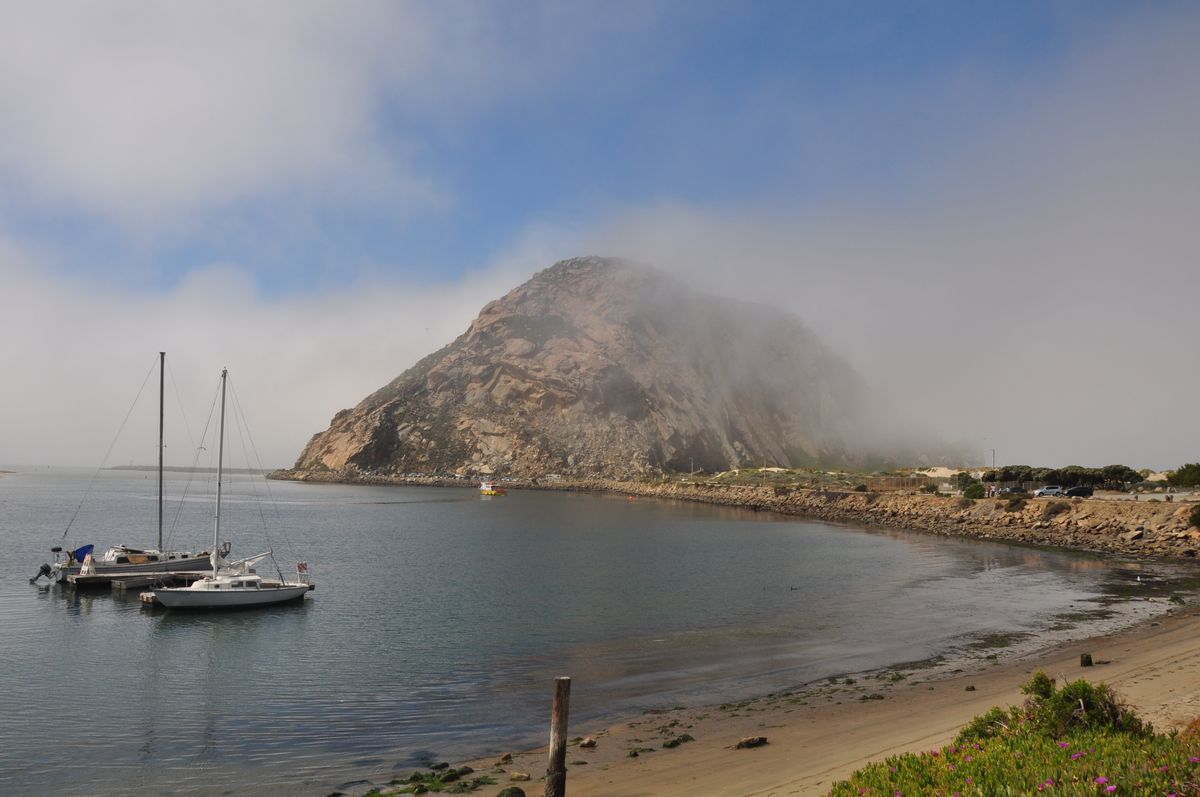
Morro Bay — this is the coast these pages are about.
Quick answer: Power Drop & Line Clearance in Morro Bay, CA — Defensible space is the work that decides what a fire has to burn between the wildland and the house: dead material out, ladder fuels separated, and the tree you keep limbed up rather than removed. It is measured in zones from the structure, and the first few feet are the ones that matter most.
- Typical timing: Best done in the cool months so the debris is gone before the dry season; clearance rules apply year-round.
- What it involves: Removing dead and dying material, separating shrubs from low limbs, limbing trees near structures, and keeping the roof and gutters clear.
- The standard: Cal Fire's defensible-space guidance for the first 100 feet, applied to the trees a property actually has.
- Where we work: The wooded parts of Cambria, San Simeon, Harmony and the surrounding ranch country.
- Our own record: 503 pages and 291 stories published on this site. Counted from our own archive, not a stock table.
Field note. What we see on this coast that surprises people is how much of the fuel load is low: the limb at four feet and the brush beneath it carries fire into a canopy that would otherwise survive, so the work is often lifting rather than felling.
On the other hand, over-clearing has its own cost — bare ground erodes, and the wind that comes with the fog belt is harder on a thinned stand than the fire risk it removes.
Line clearance in Morro Bay starts with a question most owners cannot answer: which of the wires over the property is yours to deal with, and which belongs to the utility? There are usually two, they look similar from the ground, and the answer decides who does the work, who pays for it, and what a tree contractor is legally allowed to touch.
The drop, and the distribution line
The service drop is the line running from the pole to your building — the one that carries power into the meter. It is owned by the customer, which makes the tree clearance around it the property owner's responsibility. The distribution line is the one running pole to pole along the street. That belongs to the utility, and the utility's own tree program maintains it.
A crew that offers to trim around a distribution conductor for cash is either working outside its authority or working unsafely, and on a coast where the conductors are strung through mature cypress the difference matters more than it does inland.
Where the clearance is needed
The drop is the one a homeowner can usually see the problem in: a limb resting on the line, foliage rubbing it in a wind, or a branch that has grown to where the next storm will lay it across.
The clearance wanted around it is enough that the line is not carrying weight and not being abraded, and that is work a qualified tree crew can do with the line de-energised or with a safe approach distance — never by reaching into it from an aluminium ladder.
The safety boundary, stated honestly
Energised conductors are the one thing in this trade with no acceptable margin. A crew that is not qualified to work near them does not go near them, no matter what the customer would prefer, and the correct answer to "can you just cut that one" is sometimes "no, and here is who can".
Where the work is genuinely inside the utility's zone, the route is a request to the utility rather than a quote from us, and the honest favour we can do is tell you which case you are in before anyone climbs anything.
Working with PG&E's tree program
The utility maintains its own clearance on a cycle, and it prioritises by risk and by the outages a circuit has seen. That means the tree that worries you may already be on a list, or may be years from one, and a call to the utility in parallel with our visit is time well spent.
What we can do on a Morro Bay property is everything on the customer side of the meter: the drop, and the trees that threaten it.
Doing the two jobs in the right order
Where a tree has to come down and a conductor crosses the drop zone, the sequence is not optional — the safety work is arranged before the removal, not around it. That planning overlaps with the general removal work in crane-assisted removal and with the canopy work in crown raising, and on a shared lot it often sits with the HOA program instead of the individual owner.
Describe the wires and send a photograph taken from a safe distance, and we will tell you plainly which side of the boundary your tree is on. Call (805) 927-4414 or use the contact page.
Field note — Adrian Delacroix will walk away from a conductor before he will work near one; the drop is the customer's, the line is not, and saying so is part of the job.
Questions, quotes, or just exploring — we’re here to help.