

The Ground the Tree Is Standing In
Soil & Root-Zone Remediation in Morro Bay, CA
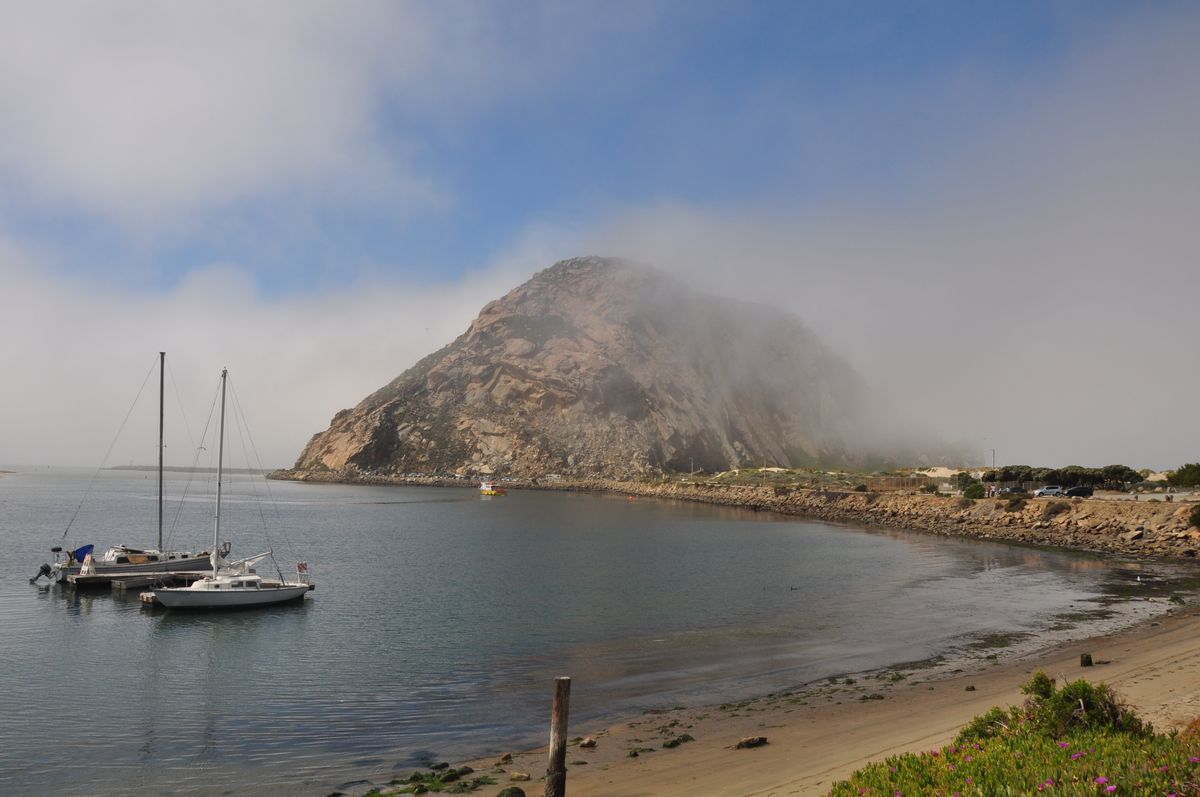
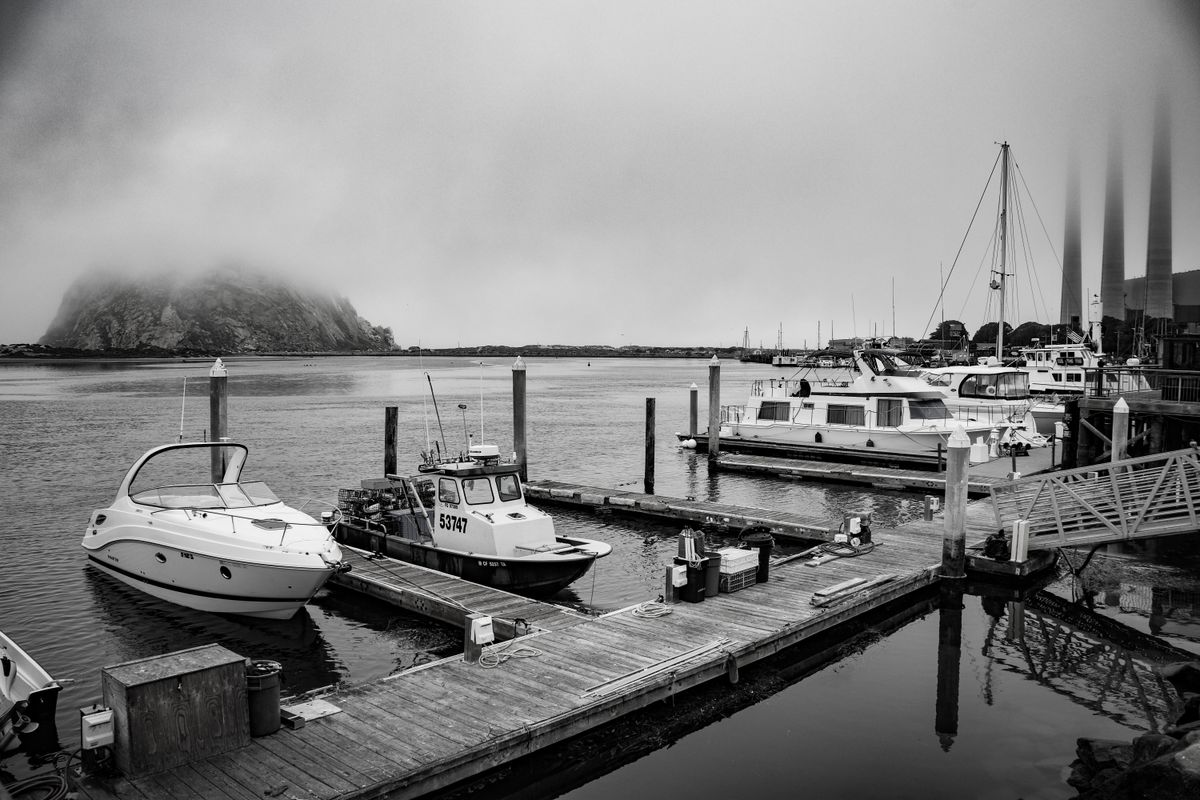
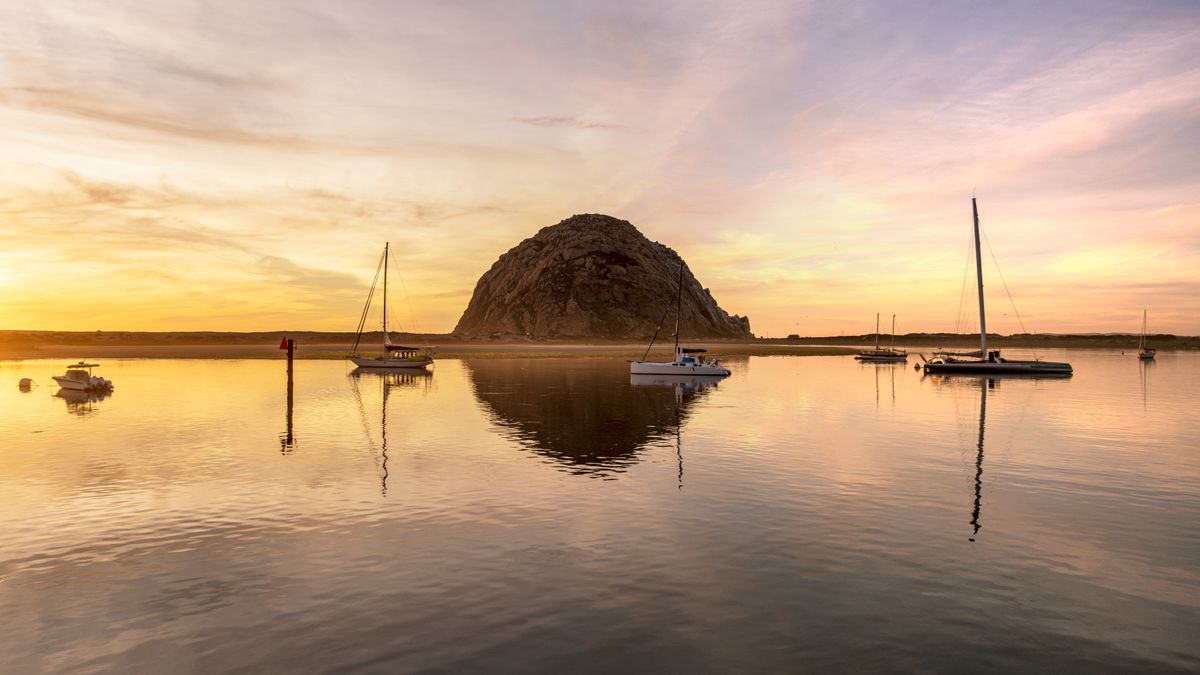
Morro Bay — this is the coast these pages are about.
Quick answer: Soil & Root-Zone Remediation in Morro Bay, CA — A stump is the part of the problem that is still in the ground: it holds the roots that lift pavement, keeps a species alive if it re-sprouts, and occupies the spot where the next planting goes. Grinding removes it below the surface so the ground can be worked again, and the roots that matter are the ones under the driveway rather than the ones beside the trunk.
- Typical timing: Any month the ground is workable; rain-softened soil grinds fastest and leaves the cleanest spoil.
- What it involves: Assessing re-sprout risk by species, grinding below grade, raking the spoil back, and handling surface roots separately from the stump.
- The standard: ISA guidance on root cutting and the ANSI A300 pruning standard where roots and crown are worked together.
- Where we work: Cambria, San Simeon, Harmony, Cayucos, Morro Bay, Los Osos and the Cambria pine belt.
- Our own record: 503 pages and 291 stories published on this site. Counted from our own archive, not a stock table.
Field note. On this coast the stump is rarely the end of the job: Monterey pine and eucalyptus both keep enough energy in the roots to push new growth, so we are looking at the species before we quote the grind rather than after.
On the other hand, a stump left in a garden bed is sometimes the better answer — it decays, feeds the soil and costs nothing — so grinding is a choice, not a rule.
Root zone remediation in Morro Bay is usually asked for on a lot where nobody remembers doing anything wrong. That is because the damage here is quiet: sand and imported fill pack under a parked boat trailer and stay packed; a patio poured over half a drip line; a grade raised two feet in 1970 so a shed would sit level.
The tree has been living on a smaller root zone every year since, and the decline shows up a decade after the cause.
How the root zone gets lost
Four things do it, and all four are common on these blocks:
- Compaction. Loaded wheels, storage, and repeated foot traffic collapse the pore space roots need for oxygen and water. On the flat between Main Street and the water, sandy soil compacts into something closer to pavement.
- Fill over the flare. Raising grade around a trunk buries the root flare, which is where the tree wants air, and it is the single most common cause we find on older properties.
- Paving. A driveway or patio does not have to ring the trunk to matter; paving across one side of a root plate changes where water goes and where roots can grow.
- Changed drainage. A new wall, a regraded driveway or a redirected downspout can put a root zone under water every winter, which on this side of town is a worse problem than drought.
What remediation looks like in practice
We start by finding the flare with a hand tool, because a great deal of supposed decline is simply a buried one. Then air spading or radial trenching: compressed air, not a machine blade, used in spokes out from the trunk to fracture compacted soil and mix in organic material without cutting the roots that are the whole point.
Excess fill comes off, the crown is checked against what the root zone can now support, and mulch goes back on top. On an oak the timetable is measured in seasons, not weeks, because a mature coast live oak responds slowly and does not forgive being hurried.
What it can and cannot fix
Remediation restores air, water and biology where soil structure still exists to be restored. It does not regrow a root plate that was cut off on three sides, and it does not make a species right for a place it never belonged.
On a lot where the tree was planted in the wrong spot, the honest answer is that no amount of good soil work will save it — and that conversation is better had now than after three seasons of watering.
Where it fits with the rest of the work
Soil work is a foundation, not a finish. It comes before deep watering makes sense, it pairs with aeration and fertilization once the structure is back, and on a slope above town it is inseparable from drainage — see drainage and grading. Call (805) 927-4414 or use the contact page and we will start at the flare and work outwards, rather than guessing from the crown down.
Field note — Sofia Underwood has yet to meet a declining Morro Bay tree whose problem was visible from the street; it is under the ground, at arm's length from the trunk.
Questions, quotes, or just exploring — we’re here to help.