


Fixing the Ground Under the Tree
Soil & Root-Zone Remediation, Cayucos CA
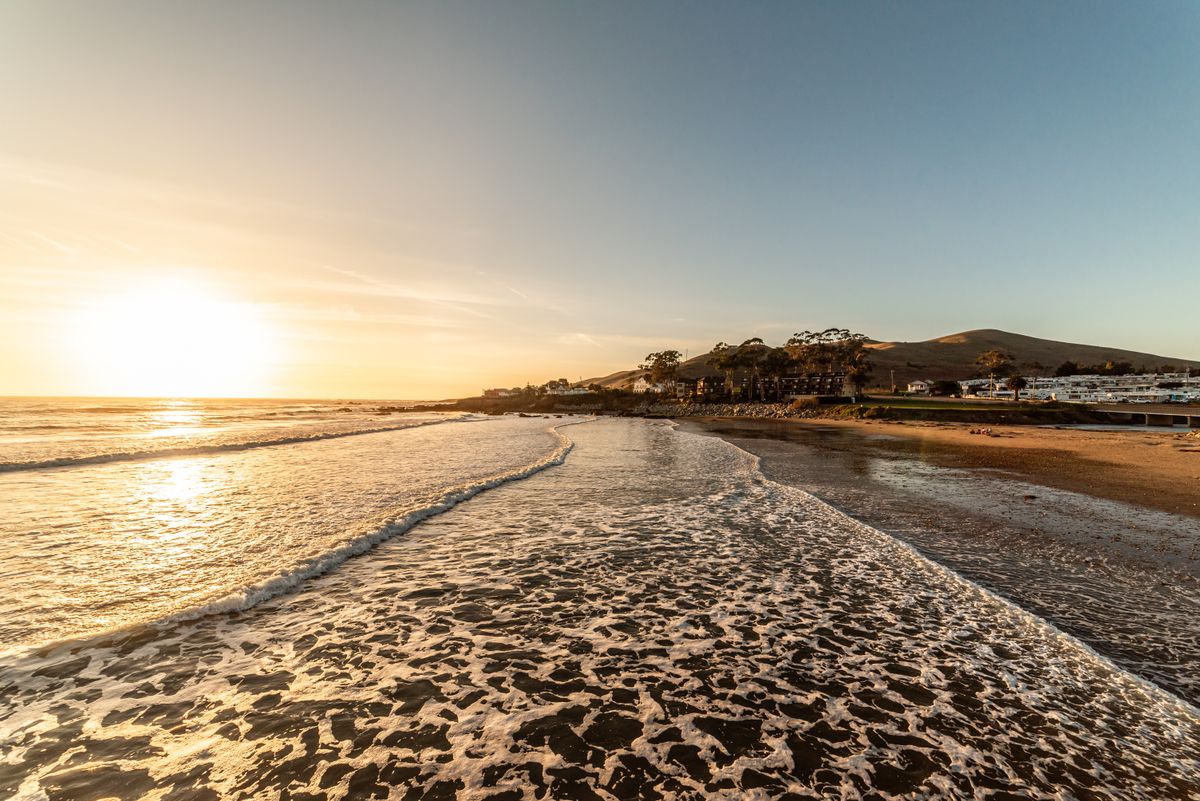
Cayucos — this is the coast these pages are about.
Quick answer: Soil & Root-Zone Remediation, Cayucos CA — A stump is the part of the problem that is still in the ground: it holds the roots that lift pavement, keeps a species alive if it re-sprouts, and occupies the spot where the next planting goes. Grinding removes it below the surface so the ground can be worked again, and the roots that matter are the ones under the driveway rather than the ones beside the trunk.
- Typical timing: Any month the ground is workable; rain-softened soil grinds fastest and leaves the cleanest spoil.
- What it involves: Assessing re-sprout risk by species, grinding below grade, raking the spoil back, and handling surface roots separately from the stump.
- The standard: ISA guidance on root cutting and the ANSI A300 pruning standard where roots and crown are worked together.
- Where we work: Cambria, San Simeon, Harmony, Cayucos, Morro Bay, Los Osos and the Cambria pine belt.
- Our own record: 503 pages and 291 stories published on this site. Counted from our own archive, not a stock table.
Field note. On this coast the stump is rarely the end of the job: Monterey pine and eucalyptus both keep enough energy in the roots to push new growth, so we are looking at the species before we quote the grind rather than after.
On the other hand, a stump left in a garden bed is sometimes the better answer — it decays, feeds the soil and costs nothing — so grinding is a choice, not a rule.
The Damage Was Somebody's Good Idea
The most common soil problem in Cayucos was created by a sensible-sounding improvement: a paved parking pad, a raised deck, six inches of fill to level a slope that never wanted to be level. Soil and root-zone remediation is the work of undoing that, as far as it can be undone, around trees that have already been living with it.
Compaction and fill do not announce themselves. The tree keeps growing for a few years on stored reserves while the fine roots under the paving suffocate, and by the time the crown thins the remedy is more limited than it was. That is the case for looking at the ground rather than the leaves first.
What Compaction Actually Removes
A healthy soil here is roughly half mineral, with the rest split between water and air in pore space. Traffic, equipment and paving squeeze those pores shut. Once air is gone the root hairs die back, water stops infiltrating and runs off, and the soil biology that breaks down organic matter goes quiet.
On the beach blocks this is made worse by sand that has almost no structure to lose in the first place, and on the hillside lots by clay that crushes into a brick.
Finding a Buried Flare
Where a slope has been terraced or a yard built up, an old tree can be several inches deeper in the ground than it grew. The flare at the base of the trunk disappears, the bark below the true root line stays wet, and decay sets in at exactly the point the tree is holding itself up.
Exposing the flare is careful hand work with an air tool, not a shovel, and it is often the single intervention that changes a tree's trajectory.
Air Spading and Radial Trenching
Decompaction is done with compressed air rather than steel, because air fractures the soil and leaves the roots attached. We work in radial spokes out from the trunk more than in a ring around it, which matches how roots actually spread, and we fill the opened seams with organic material and coarse mulch so they do not simply close up again. It is slow, it is unglamorous, and on a mature oak it is measured in seasons rather than weeks.
The Limits, Stated Plainly
A mature tree tolerates less than a young one, and an old oak will not regrow a root plate that has been under asphalt for twenty years. Where the fill is deep, the paving useful, or the tree already in serious decline, the honest answer can be to manage it, monitor it, or plan a replacement rather than promise a recovery. Remediation improves the odds; it does not reverse time.
Where It Fits
This is the groundwork half of tree health. Where the question is water rather than soil, that is deep watering and drought care; where the mechanical work is followed by feeding, aeration and fertilization comes next. If a tree has declined after grading or a build, the same problem is often still being created on site — see construction tree protection.
Walk the Ground With Us
Photographs of the base of the tree, the paving or the fill, and the crown give us most of the answer. Call (805) 927-4414 or use the contact page, and see our services for the rest of the soil and slope work in Cayucos.
Questions, quotes, or just exploring — we’re here to help.