


Breaking the Chain From Ground to Crown
Ladder Fuel & Brush Removal in Cambria, CA
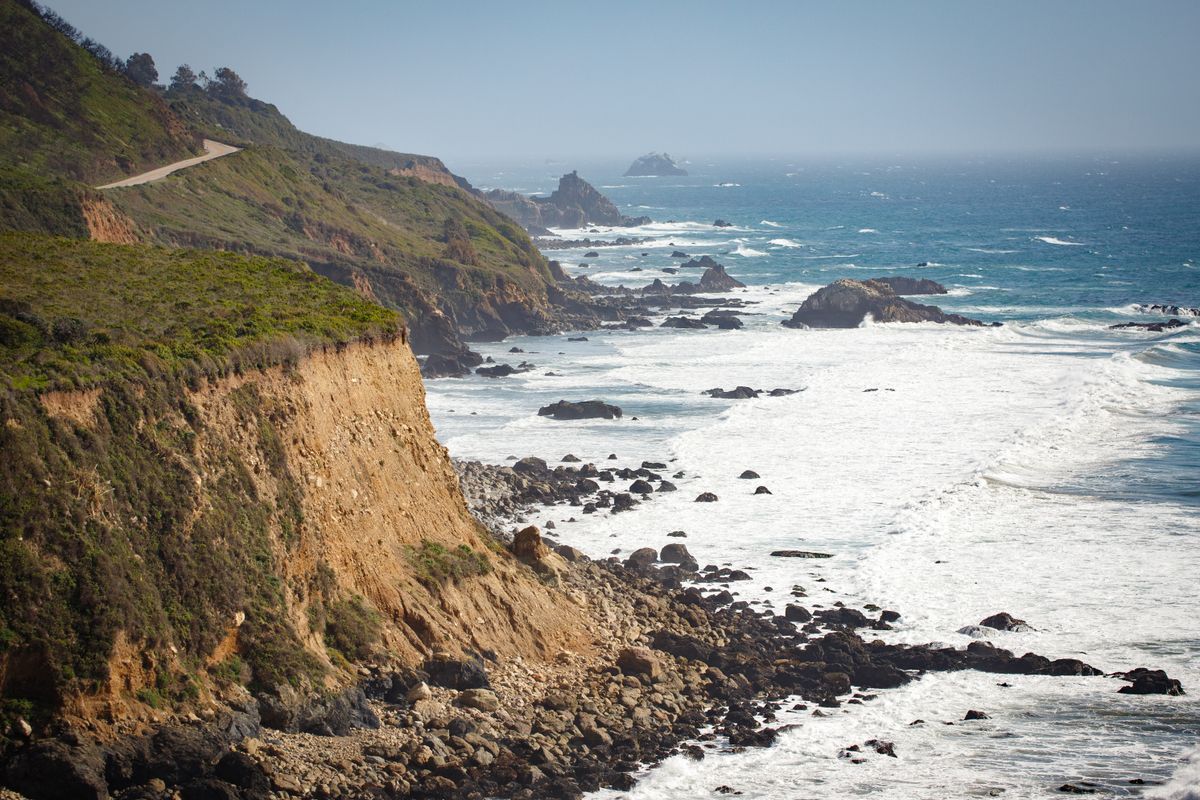
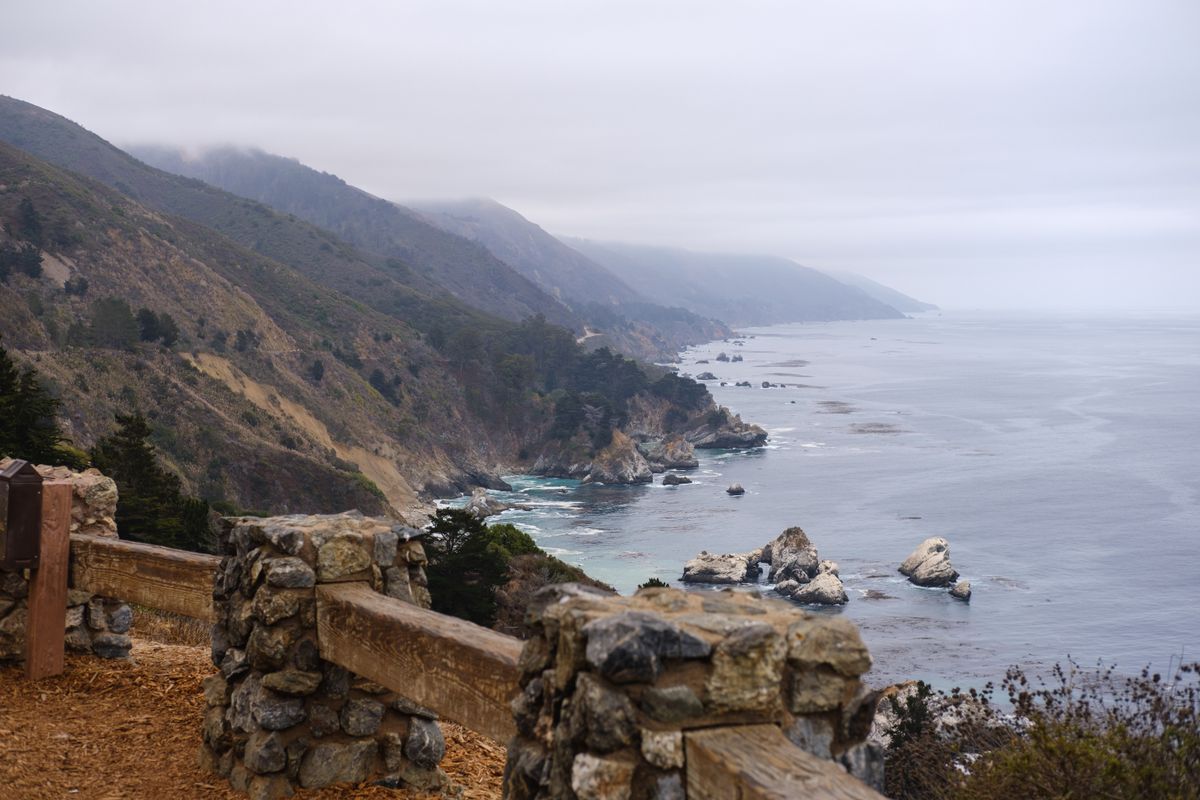
Cambria — this is the coast these pages are about.
Quick answer: Ladder Fuel & Brush Removal in Cambria, CA — Removing a tree is planning before it is cutting: where the wood lands, what is under it, whether a rope or a crane takes the weight, and what is left when the crew drives away. A removal is finished when the drop zone is clear and the stump is dealt with, not when the trunk hits the ground.
- Typical timing: When the tree is a hazard, the schedule is immediate — storm damage, split leaders and leaners do not wait for good weather.
- What it involves: A written plan for the drop zone, rigging or crane work over structures, protecting driveways and roofs, and deciding the stump’s fate in advance.
- The standard: The ANSI Z133 safety standard for arboricultural operations, and ISA best practice for removals near structures.
- Where we work: Small town lots, coastal acreage and the narrow properties of the Cambria pine belt.
- Our own record: 503 pages and 291 stories published on this site. Counted from our own archive, not a stock table.
Field note. What we see here is that access decides the price more than height does: a pine over a fence on a slope with no driveway costs more to take down safely than a taller tree with a clear drop, and the plan is where that shows up.
On the other hand, removal is not the only safe answer — a tree with one failing limb, or a lean that can be corrected by reduction, is often better kept and managed than gone.
A Fire Needs a Route From the Ground Into the Crown
Ladder fuel and brush removal in Cambria is about breaking a chain that is easy to overlook on a lot full of tall pines. A fire does not need a big tree to start. It needs dry grass to light, brush to carry it, and a low branch or a dead limb to step from the shrub layer into the canopy.
Remove any one rung and the fire that would have crowned stays on the ground, where a crew can put it out.
On this coast the ladder is usually there and rarely noticed: broom and coyote brush under the pines, dead ceanothus in the understory, volunteer pines that came up after a wet winter, and a mat of needles holding it all together.
The Vertical Rungs
The work is mundane on purpose. Fine fuels at ground level are cleared and kept down. The middle rung — brush, broom, gorse, the invasive and the resinous ornamental — is cut back and, near a structure, taken out. The low limbs of the trees above are lifted so nothing connects the shrub layer to the crown, and dead material inside the canopy comes down because resinous deadwood catches a spark that living growth would shrug off.
Each of those is a separate decision, and doing only one of them tends to leave the chain intact somewhere else.
The Horizontal Half
Fire also travels sideways, and on a narrow Cambria lot that is the harder problem. Two pine crowns that have grown into each other are one fuel body. A continuous hedge up a slope is a wick laid against the hill. So the job is spacing as much as clearance: shrubs separated rather than massed, real gaps between tree crowns, and breaks in the vegetation where the ground steepens, because fire climbs fastest uphill.
What Stays, and Why Blanket Clearing Is Wrong Here
Stripping every shrub off a Cambria parcel is a mistake dressed up as thoroughness. It costs the soil its cover, removes the habitat the coast is right to protect, and hands the slope to the first winter storm — which is the exact failure the bluff and erosion work exists to prevent.
What comes out is dead and dying brush, invasive species, the volunteer trees crowding a mature pine, and the fine dead material on the ground. What stays is healthy native shrub, spaced rather than continuous, and the established trees in good condition.
The Slash Is Half the Job
Cut material left in place is fuel that has merely been moved. We chip what can be chipped and haul what cannot, and where burning is allowed it is a permitted seasonal activity with its own windows — never an improvised afternoon fire. The chips are usually worth keeping on the lot, which is what the mulching work here is for.
Where This Fits
Brush work is the middle of a chain that begins with the fire clearance assessment and the defensible space walk, and ends with the tree-side work in the canopy. The Cambria hub lays out the order, and our services covers the rest.
Book a Look at the Lot
Tell us the parcel size, what the ground is like and when it was last cleared. Call (805) 927-4414 or use the contact page.
Questions, quotes, or just exploring — we’re here to help.