


Walking the Parcel Against the Zones
Defensible Space Inspection in Cambria, CA
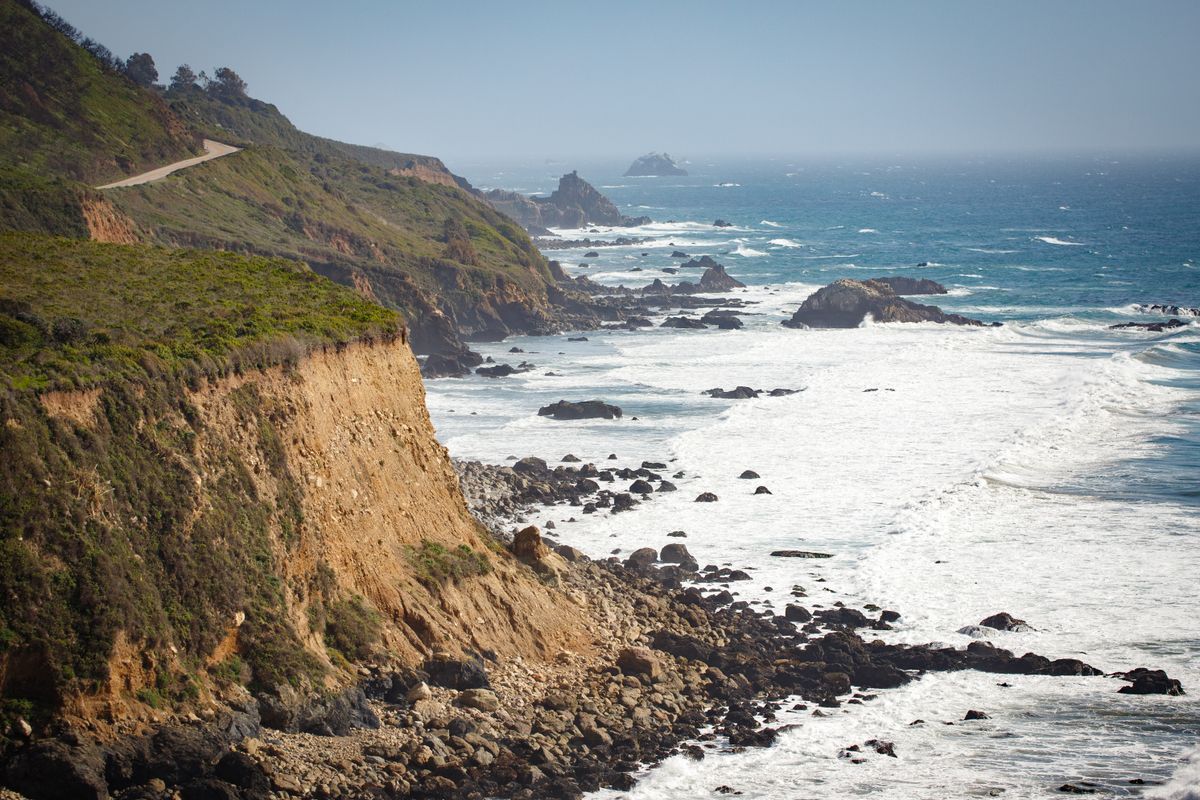
Cambria — this is the coast these pages are about.
Quick answer: Defensible Space Inspection in Cambria, CA — Defensible space is the work that decides what a fire has to burn between the wildland and the house: dead material out, ladder fuels separated, and the tree you keep limbed up rather than removed. It is measured in zones from the structure, and the first few feet are the ones that matter most.
- Typical timing: Best done in the cool months so the debris is gone before the dry season; clearance rules apply year-round.
- What it involves: Removing dead and dying material, separating shrubs from low limbs, limbing trees near structures, and keeping the roof and gutters clear.
- The standard: Cal Fire's defensible-space guidance for the first 100 feet, applied to the trees a property actually has.
- Where we work: The wooded parts of Cambria, San Simeon, Harmony and the surrounding ranch country.
- Our own record: 503 pages and 291 stories published on this site. Counted from our own archive, not a stock table.
Field note. What we see on this coast that surprises people is how much of the fuel load is low: the limb at four feet and the brush beneath it carries fire into a canopy that would otherwise survive, so the work is often lifting rather than felling.
On the other hand, over-clearing has its own cost — bare ground erodes, and the wind that comes with the fog belt is harder on a thinned stand than the fire risk it removes.
Cambria Sits in the State Responsibility Area, and That Decides the Rules
A defensible space inspection on a Cambria lot starts from a fact that surprises a good many owners: the town is in Cal Fire's State Responsibility Area, which means the clearance standards apply here as they do inland, on lots that look nothing like the inland parcels the rules were written around. Narrow pine lots, homes close together, a maritime climate — and still a Wildland-Urban Interface with a documented fire history on this part of the coast.
The inspection is the assessment, not the work. We walk the parcel against the zones, say plainly what is a requirement and what is merely prudent, and put it in writing.
The Zones, Applied to a Coastal Lot
- Zone 0 — the first five feet from the structure. The ember zone, and the one most often ignored. Non-combustible ground, nothing flammable against the wall, no bark mulch in that strip, no firewood stacked under the eave, no pine needles in the gutter.
- Zone 1 — five to thirty feet. Grass kept short and green, shrubs separated rather than massed, dead material removed, low limbs of trees lifted, and anything resinous or oily near the house taken out.
- Zone 2 — thirty to a hundred feet or to the property line. Reduced fuel density, tree crowns spaced so fire cannot run between them, and dead trees removed.
What Fails Most Often Here
The most common findings on a Cambria parcel are not dramatic. Pine needles in the roof valleys and gutters in late summer. A hedge of ornamental shrub running the length of the house. Dead limbs over a chimney and a firewood stack beneath it. Volunteer pines crowded into a mature pine's root zone, which is both a fire ladder and a hazard in its own right.
And the one that catches owners by surprise: an over-full ground layer in a garden bed that reads as tidy but holds a continuous fuel bed across the whole lot.
What an Inspector or an Insurer Wants on Paper
A report with photographs, the parcel drawn with the zones marked, and the findings listed against the standard is what satisfies a district inspection and what most carriers accept in place of a home-made photo set. It also gives you a scope of work you can price, and a record of what was already clear when the inspection was done — which matters if a renewal letter arrives later.
That paper trail is a different job from a fire clearance job in Cambria, though the two are always done together.
The Assessment Comes First
Book the walk, get the written findings, then decide what to cut. The Cambria services hub explains how the inspection, the brush work and the tree clearance fit in sequence, and our services has the wider picture of what we do on this coast.
Arrange a Walk of the Parcel
Tell us the lot size and whether there is an inspection or a renewal date to work back from. Call (805) 927-4414 or use the contact page.
Questions, quotes, or just exploring — we’re here to help.