Prune or Trim? The Word Decides the Cut
Quick answer: Prune vs Trim: The Word That Decides the Cut — Pruning is a plan before it is a cut: deadwood and broken limbs first, then clearance from roofs, wires and paths, then the structure the tree will carry for the next decade. The right cut heals and the wrong one invites decay, which is why the order matters more than the number of cuts.
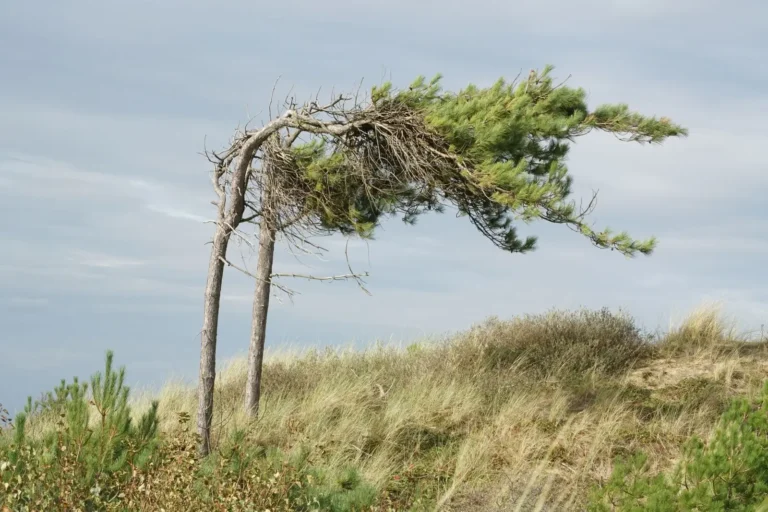
Field note. What we see on this coast is a pruning calendar that does not match the inland one: salt air, fog and wind mean a cut that would be minor in the valley can be the one that opens a crown to decay here, so we look at the species and the exposure before the season.
On the other hand, not every tree wants to be pruned: leaving a healthy canopy alone is a decision that pays, and a tree with plenty of space is often better served by doing nothing.
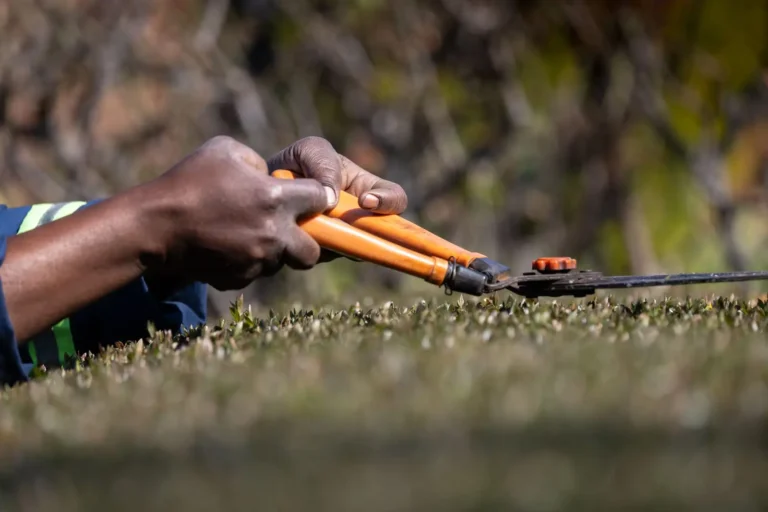
Two words get used interchangeably on the phone and describe two different operations at the tree. Pruning is the removal of selected parts for a reason — structure, clearance, health, safety. Trimming is cosmetic and usually means shaping the outline, which is what clippers do to a hedge. And there is a third word, shearing, that almost nobody on this coast uses correctly, and it is the one that damages trees fastest. The vocabulary is not pedantry.
It is the difference between a cut a tree seals in a season and a wound it carries for thirty years.
What each word promises
Trimming keeps a shape. Pruning makes a decision about the tree’s future: which limb will carry the weight, where the wind will pass, what the tree will look like in ten years once the wood you left has grown around the cut you made. A trim can be done with a pole saw and an eye for the outline. A prune needs a reason for every cut, and the discipline to leave the branches that have no reason.
This is why an estimate that says trim the trees and a proposal that says remove the deadwood, raise the crown over the roof and reduce the two long laterals on the northwest side are not the same document, even when the price matches. One tells you what will be done. The other tells you what you will get.

The third word, and why it matters here
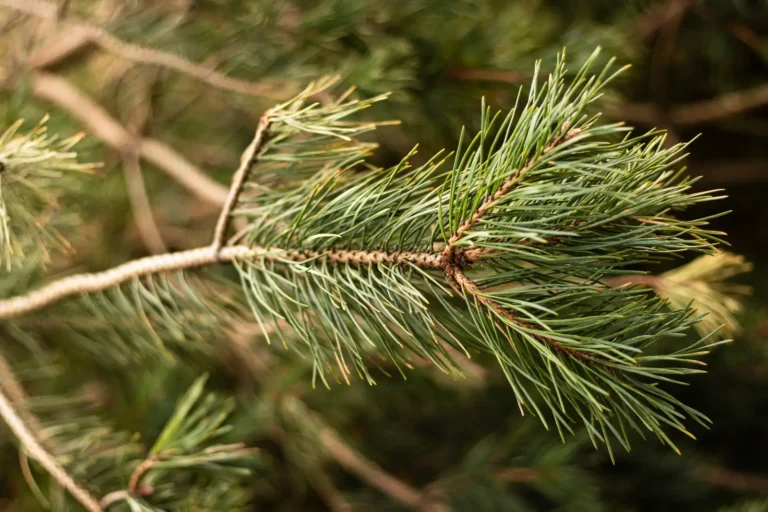
Shearing removes the outer surface of a plant to keep it dense — the technique that makes a hedge a hedge. Applied to a tree, and especially to a conifer, it produces exactly the wrong result. A pine or a cypress carries its live growth at the ends of its branches.
Shearing cuts into that growth and leaves a stiff outer shell with dead wood inside it, and the tree answers with a flush of weak, dense shoots that are more flammable than what was removed and structurally useless. The stub left behind does not heal. It decays.
The mistake has a name in this trade — topping — and there is a tell you can read from the street: a tree with a brushy, bottle-brush silhouette, its ends cut flat at the same height, the interior of the crown bare and brown. If your tree looks like that, the damage is already a decade old, and the correction is not another cut.
What to ask for, in words
Ask for the work rather than the word. Deadwood removed, and what diameter counts as worth removing. Clearance of a specific distance over a roof, a driveway or a walk, which is measurable in feet and can be checked afterwards. Raising the crown, meaning the lowest limbs come up.
Reducing a lateral, meaning a long branch is shortened back to a living side branch instead of cut wherever it happens to be convenient. And structural pruning on a young tree, which is a ten-minute job now and an expensive decision later.
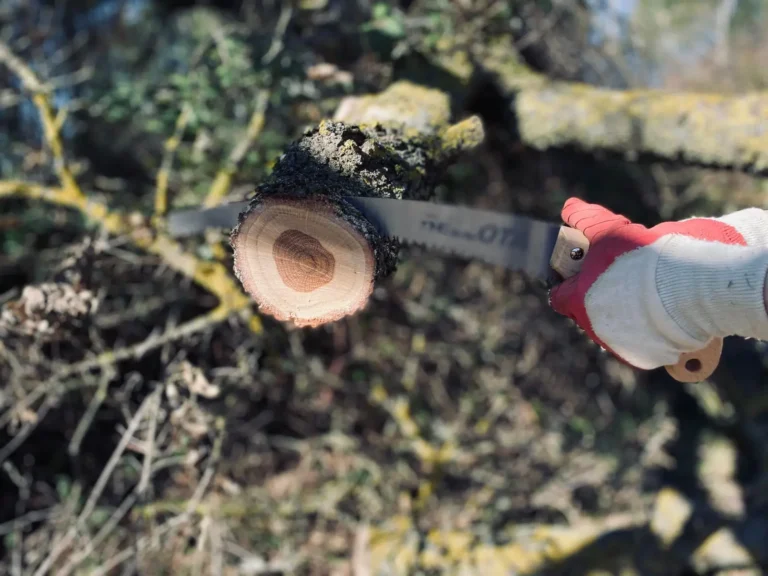
One more word is worth owning: the collar. A correct pruning cut leaves the branch collar — the swollen ring of wood where the branch meets the trunk — intact, because that is the tree’s own seal. A cut made flush with the trunk removes the seal and opens a wound the tree has to wall off from scratch.
If a crew leaves stubs, or cuts so close that the trunk is gouged, you can see it from the ground, and it does not matter how good the price was.
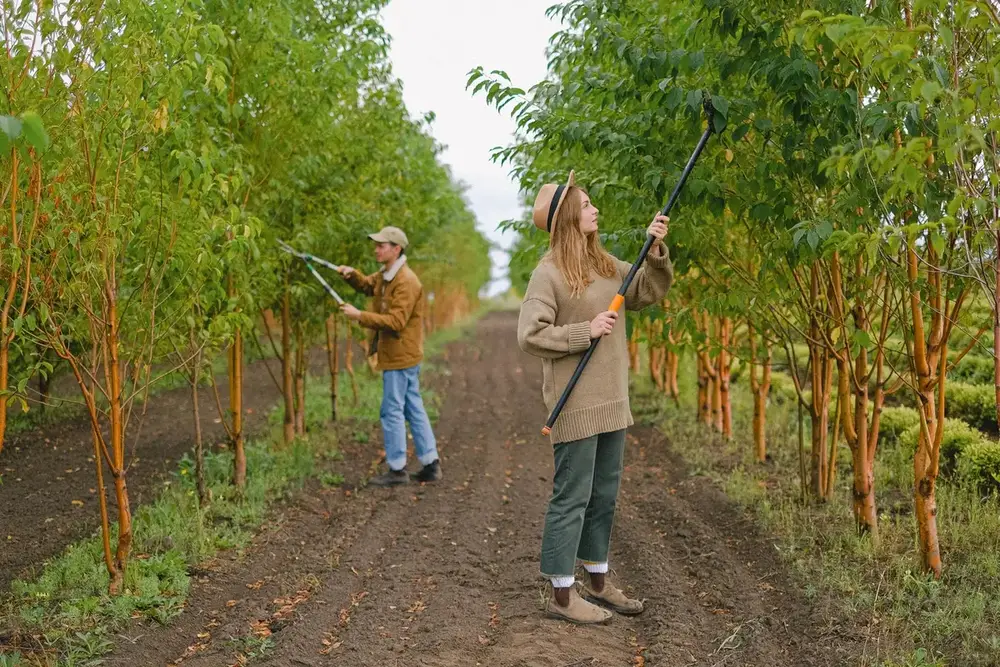
What a correct pruning visit looks like on one tree
On this coast a mature pine or cypress on a residential lot wants a real visit every two to three years, not every ten. The order inside that visit is consistent. Dead and hanging wood first, because that is the part that falls. Clearance second, because that is the part you will notice.
Structure third — reducing a leader that outgrew its union, subordinating a twin stem that is squeezing its sibling, and thinning just enough that the wind passes through the crown instead of loading it like a sail. Thinning past that point is the classic coastal error: a crown hollowed out from the inside is lighter, but each remaining branch catches more wind, and it is the first one to break.
Timing decides the day. The northwest breeze here can be planned around: technical cuts go early or in the calm window, and the crew stops when it starts gusting. What looks like overcaution is what happens when you have watched a hinge open with a gust on it.
If you file this under maintenance, one habit pays for itself — photograph the tree from the same spot each year. Shown a photograph from two years ago, a homeowner will see a thinning crown that no single visit would have flagged, and that is when pruning is cheap.
Our trimming and pruning page sets out what a visit includes, and if you are unsure whether a tree is a pruning job at all, the honest first step is an inspection rather than a quote.