


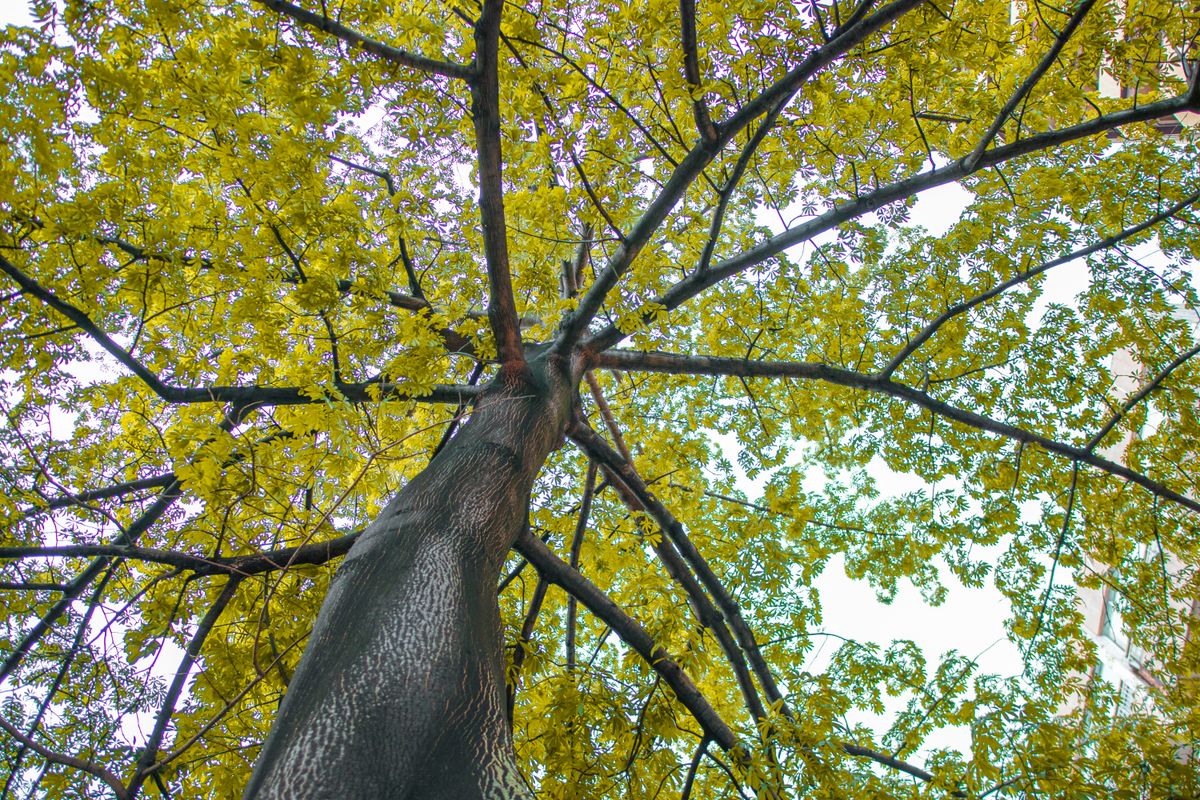
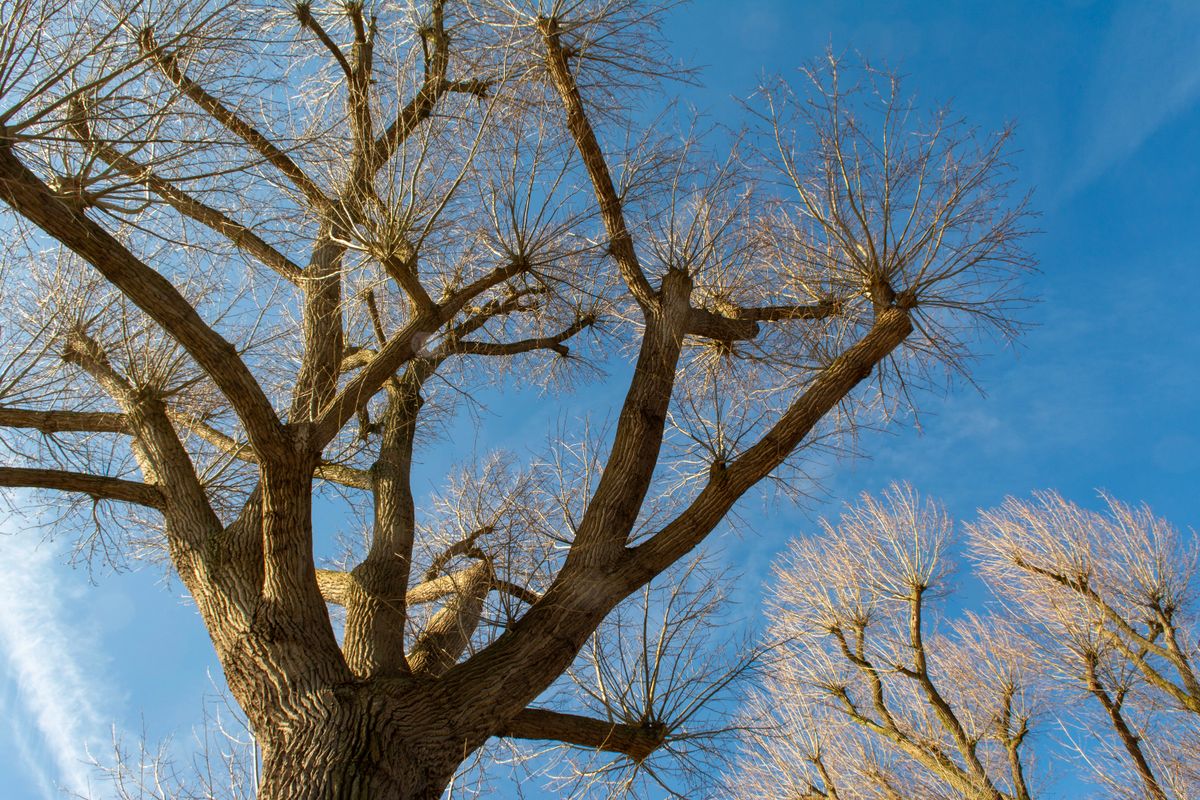

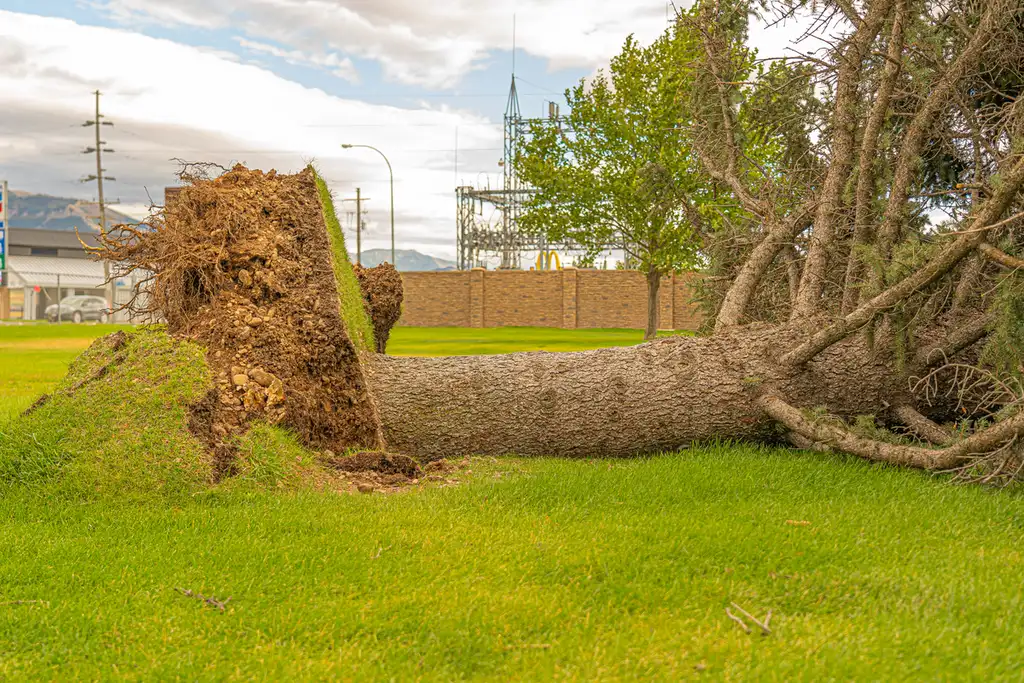
Hazard identification and removal. The trees that matter on a multi-unit site are the ones over a walkway, a carport, a playground or a utility drop. Our risk assessments give each tree a documented rating and a timeframe, which is what a board needs to act on; our removal service is rigged for tight lots where a crane or a clear drop zone is not available.
Quick answer: Commercial Tree Care in Cambria, CA — Trees on this coast live with fog, salt, wind and thin soil, and the work that keeps them healthy is decided by those conditions rather than by a calendar written inland. Structure, clearance and the root zone are what a tree here needs looked at, and small work done early is what keeps a tree out of the emergency list.
- What it involves: Structural pruning, clearance from structures and wires, deadwood removal, root-zone care and hazard assessment.
- Typical timing: Structural work in the dormant months; deadwood, clearance and hazard work whenever the tree needs it.
- The standard: The ISA standards for pruning and tree risk assessment, applied by ISA-certified arborists.
- Where we work: Cambria, San Simeon, Harmony, Cayucos, Morro Bay, Los Osos and the Cambria pine belt.
- Our own record: 503 pages and 291 stories published on this site. Counted from our own archive, not a stock table.
Field note. What we see on this coast is that the trees people worry about are usually not the ones in trouble: the pine with a clean crown and a lean that predates the house is often sounder than the tidy tree that has been quietly drowning in its own root zone.
On the other hand, there is no schedule that suits every tree — the same species on two sides of one street can need opposite care, which is why we look before we recommend.
Standards and sources: Tree care standards (ISA — International Society of Arboriculture) · Pest and disease notes (UC IPM — University of California pest management)
Prepared by Cambria Pines Tree Service Inc. — ISA-certified arborists working on the Central Coast.
Multi-Unit Properties Have a Different Tree Problem
A single-family homeowner can decide to live with a risky tree for another year. A property manager, an HOA board or a commercial owner cannot make that decision as freely. On a property with tenants, parking, walkways, utilities and a liability exposure, the questions are different: is anything over a path or a car space going to fail, is the work documented, and is the whole property on a schedule instead of a call after something breaks?
We work with apartment complexes, HOAs, rental portfolios, commercial sites, and institutional properties across Cambria and San Luis Obispo County — with the insurance, the scheduling discipline and the written records that managing a shared property actually requires.
What Managers Actually Need From a Tree Contractor
- One point of contact for a portfolio, not a different crew per property. Scheduling, invoicing and reporting stay consistent.
- A certificate of insurance naming the correct entities, with general liability and workers' compensation limits that satisfy the property's own requirements, and a willingness to add an additional insured where a management agreement calls for it.
- Scheduled recurring service rather than reactive calls — which is what keeps a property defensible and keeps the budget predictable.
- Written scope, before the work. What is being cut, why, and what it costs, so an owner or a board can approve a defined item rather than a vague day rate.
- Documentation after the work. Dates, trees, work performed, and photographs. This is what answers a liability question, an insurer's request or a board's annual report.
- Respect for tenants and operations. Work windows that suit the site, parking coordinated in advance, staging that keeps fire lanes and accessible paths clear, and a site left cleaner than it was found.
The Work a Complex Usually Needs
Structural pruning on a cycle. Clearance over roofs, paths and parking; deadwood removal; and crown work to reduce wind loading on a property where a limb failure lands on somebody's vehicle. Our trimming and pruning is scheduled per property rather than per complaint.
Fire and brush clearance obligations. A commercial or multi-unit parcel in a high fire severity zone carries the same defensible-space obligations as a house, with more exposure when they go unmet. See our fire clearance service.
Stump and ground work. Stumps ground below grade and the ground restored in areas the public actually walks on or parks on — see stump grinding and mulching.
Drainage and slope issues on the grounds. A slope above a parking area or a retaining wall is an operational problem, not a landscaping detail — see erosion control.
Emergency response. Storm damage on a multi-unit property is a safety and access problem the same hour, not the next business day. Our 24/7 response exists for that call.
Budget Planning: Trees Are Capital, Not Just Maintenance
The most useful thing a manager can have from a tree contractor is a multi-year picture rather than a series of surprises.
This is the version of our inspection work that runs across a property rather than a single tree, and it is usually the first engagement we have with a new commercial client.
- A tree inventory with condition ratings — which trees exist, what condition they are in, and which ones are on a declining track.
- A risk tier per tree — so the board can see the difference between the oak that needs attention this season and the pine that is fine for five years.
- A costed plan — phased so a large removal or a clearance obligation lands in the budget year it can absorb, not the year a storm forces it.
- A re-inspection interval — annual for high-traffic sites and high fire zones, less often for open parcels.
Insurance, Liability and the Paperwork That Matters
When something does fail on a managed property, the questions afterward are almost always documentary: was the condition known, was anything done about it, and when. A contractor who leaves dated written records and photographs changes what that conversation looks like. We hold licensing in good standing with the state, carry insurance appropriate to the work, and provide the documentation a property manager or board is going to be asked for.
If your insurance carrier has already asked for something specific — a clearance certificate, evidence of pruning near the structure, documentation of trees over parking — bring the letter to the first visit. The wording usually names the measurement that has to be satisfied.
Working With Us on a Portfolio
Send the property list and what concerns you on each one. For a new site we start with a walk-through or an inventory, name what is urgent versus what is routine, and put the rest on a schedule. Recurring clients get consistent reporting, advance notice before work that affects parking or access, and one invoice per period.
Call (805) 927-4414 or use our contact page with the property address and the number of units or buildings, and we will come and look. If you are managing several sites, our full service list is the fastest way to see everything we can take off your desk.
Next step
Ready when you are.
Questions, quotes, or just exploring — we’re here to help.