


Where the Pile Actually Goes
Chipping & Debris Haul-Away in San Simeon, CA
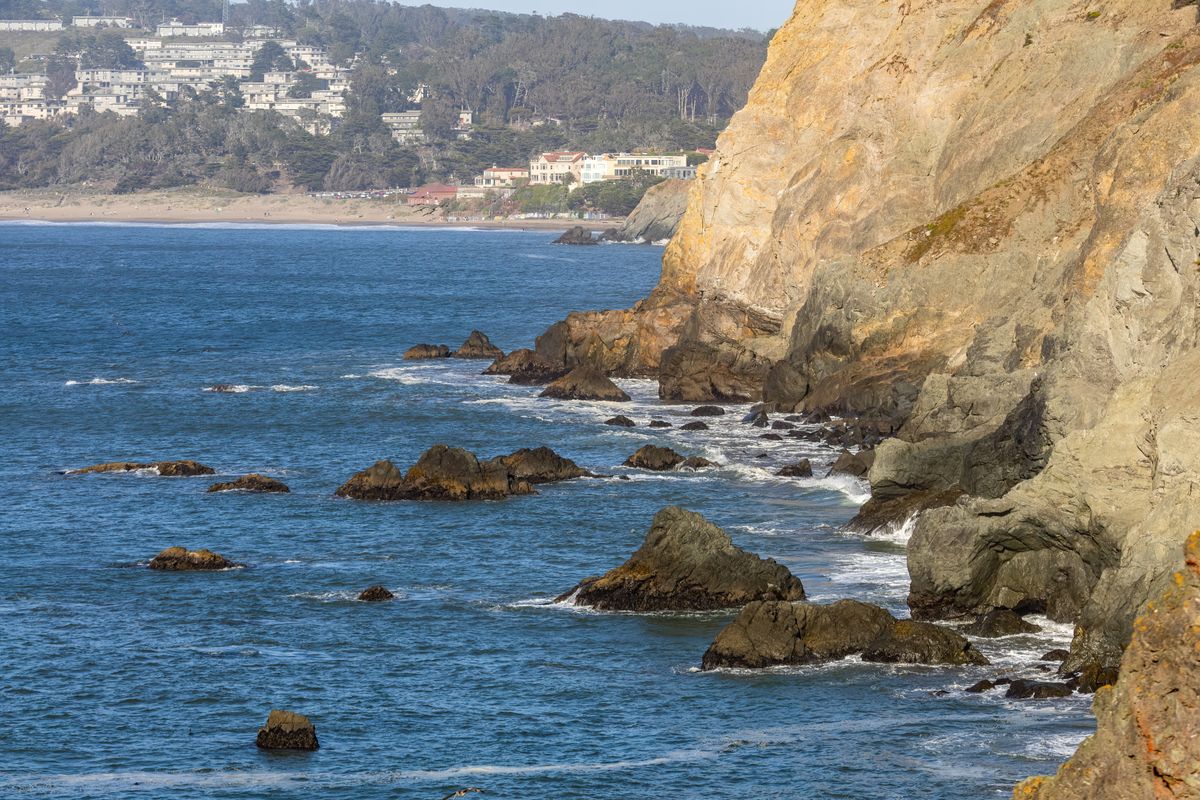
San Simeon — this is the coast these pages are about.
Quick answer: Chipping & Debris Haul-Away in San Simeon, CA — Mulch is the cheapest thing that happens to a tree: a flat layer over the root zone holds moisture through the dry season, keeps the soil temperature steady and feeds the soil life the tree depends on. Almost every mulch problem is a depth problem or a contact problem — too thick, or piled against the trunk where the bark has to stay dry.
- Typical depth: Two to four inches, flat, from the drip line inward — never a cone against the trunk.
- Typical timing: After planting or after a clean-up; refreshed in autumn so winter rain carries it down.
- What it involves: Keeping the root flare visible, keeping mulch off the bark, and choosing material that breaks down rather than mats.
- The standard: ISA and university extension guidance on arboricultural mulching and the root flare.
- Our own record: 503 pages and 291 stories published on this site. Counted from our own archive, not a stock table.
Field note. What we see most on this coast is not too little mulch but too much, in the wrong place: the volcano against the trunk that keeps the bark wet through the fog season and invites rot where the tree cannot show it until the canopy thins.
On the other hand, a thin ring of the wrong material is worse than none at all — matted, water-repellent mulch sheds the rain it was meant to store.
The pile is the part of the job nobody plans for. On a San Simeon parcel with one gate and a steep drive, a day of tree work can produce a brush pile taller than the fence, and what happens to it decides whether the job is finished or merely paused.
Chipped here or carried out
There are two answers and the site picks between them. Chipping on site turns limbs, brush and storm slash into material that can stay on the parcel as a mat under the trees. Hauling takes the volume away entirely. On most jobs it is both: the brush becomes chips, the chips go where they are wanted, and the wood that is too big or too knotty leaves on the truck.
What actually decides it here
- Access. The single biggest factor. If a truck and chipper cannot get within a rope's throw of the pile, every branch is carried by hand, and that is a real cost rather than a rounding error.
- Volume. A cypress hedge or a storm cleanup is cubic yards, not bags. The green-waste volume from a mature tree is much larger than people expect.
- Slope. Chips mounded on a bank slide; chips spread as a thin mat hold it.
- Season. Wet foliage is heavy and does not chip cleanly, so a January pile is a different job from an August one.
For tree debris removal in San Simeon, the chips are usually the answer
Fresh arborist chips are not waste. Spread over a root zone or across bare ground they hold moisture, suppress the weeds that would otherwise come straight back, and slow the surface water that wants to run off a bluff.
Where a parcel wants a thicker mat than the job produced, that is a supply question rather than a chipping one — see wood chip mulch delivery — and where the chips are going under trees, the depth and the distance from the trunk matter as much as the material does.
What cannot simply be burned
Burning is seasonal, permitted and weather-dependent on this coast, and it is not a disposal route for green material in the dry months. Nor is it an option where the pile is within reach of a structure or over a root system worth keeping. The default here is chips and a truck.
Clearing the pile is part of the price
Tell us roughly how much material there is and, more importantly, how close a truck can get to it. Call (805) 927-4414 or use the contact page, and see our services for the full range of work on this coast.
Questions, quotes, or just exploring — we’re here to help.