

Tree Trimming & Pruning in San Simeon, CA
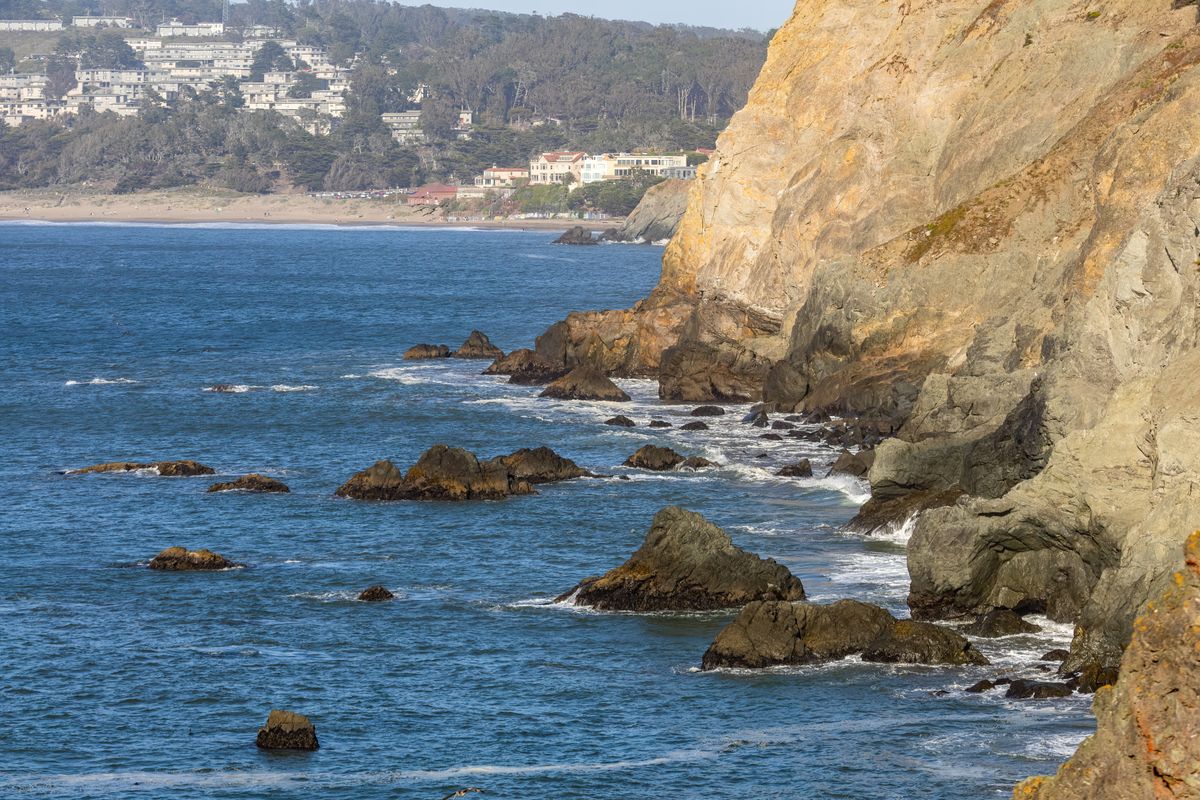
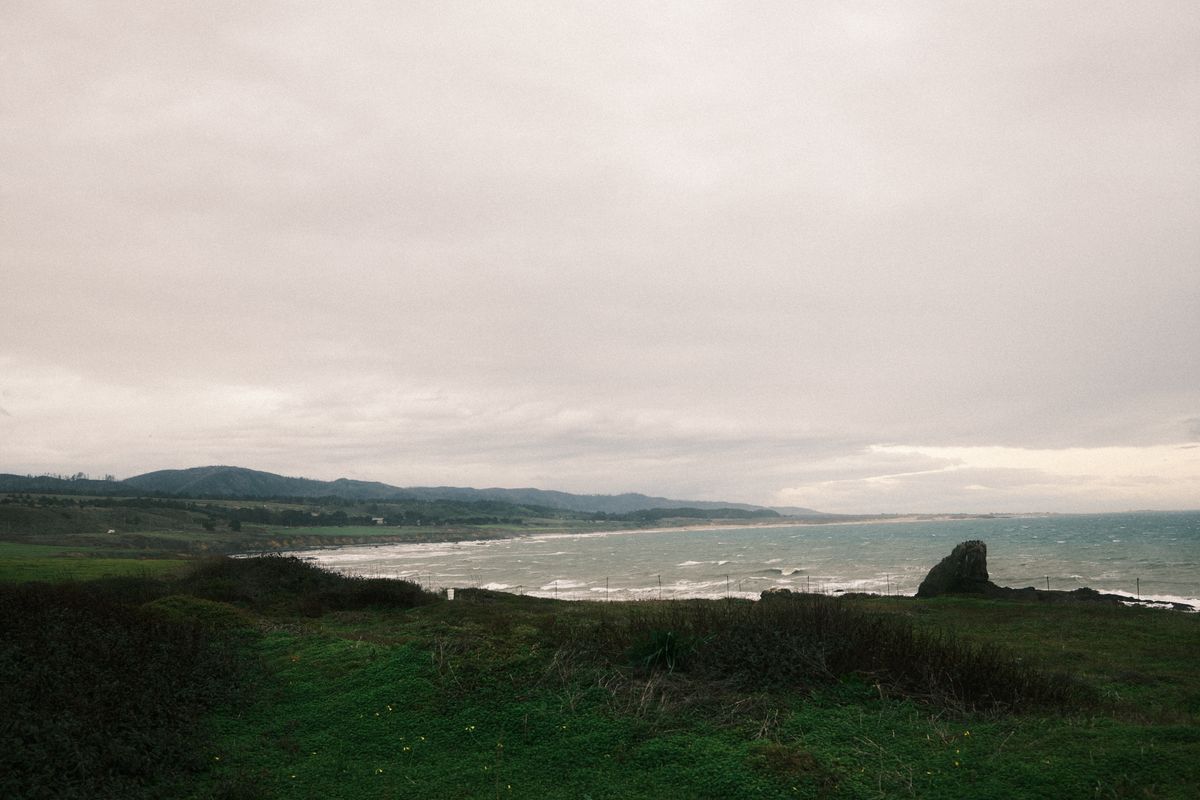
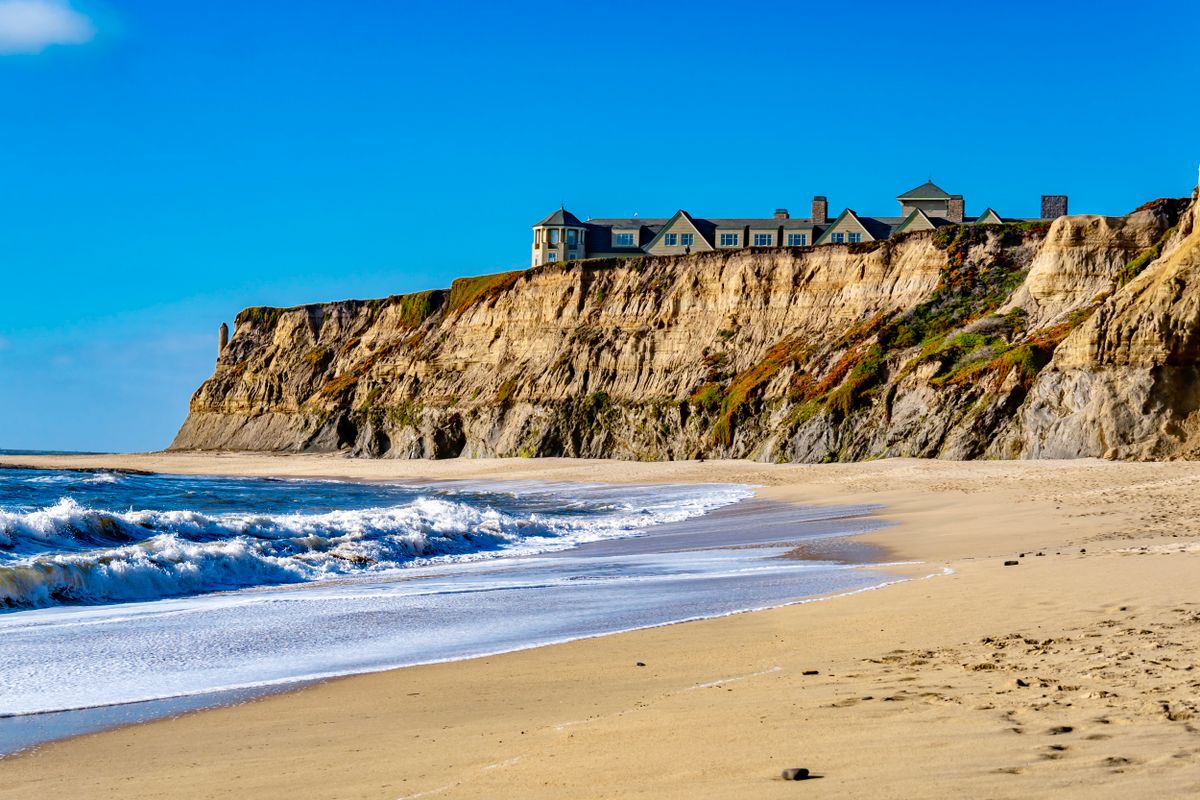
San Simeon — this is the coast these pages are about.
Quick answer: Tree Trimming in San Simeon, CA — Pruning is a plan before it is a cut: deadwood and broken limbs first, then clearance from roofs, wires and paths, then the structure the tree will carry for the next decade. The right cut heals and the wrong one invites decay, which is why the order matters more than the number of cuts.
- Typical timing: Structural work in the dormant months, light clearance and deadwood any time the tree is not under stress.
- What it involves: Removing dead and crossing limbs, thinning to let light through, lifting low limbs for clearance, and never topping a tree.
- The standard: The ANSI A300 pruning standard as applied by ISA-certified arborists — including the three-cut method on every limb worth saving.
- Where we work: Cambria, San Simeon, Cayucos, Morro Bay, Los Osos and the towns between.
- Our own record: 503 pages and 291 stories published on this site. Counted from our own archive, not a stock table.
Field note. What we see on this coast is a pruning calendar that does not match the inland one: salt air, fog and wind mean a cut that would be minor in the valley can be the one that opens a crown to decay here, so we look at the species and the exposure before the season.
On the other hand, not every tree wants to be pruned: leaving a healthy canopy alone is a decision that pays, and a tree with plenty of space is often better served by doing nothing.
Every cypress on this stretch of coast has already been pruned — by the salt, the wind and the last sixty winters. What a person with a saw can add to that is a decision about where the tree is going and what it has to hold, and the most common mistake made here is to trim a wind-shaped tree back into a shape it cannot keep.
The second-most common is to leave a wind-loaded fork alone for another decade because it has always looked that way.
Working with the shape, not against it
A cypress that has grown in constant wind keeps its foliage on the sheltered side and thickens its trunk to resist the load. If it is trimmed evenly, the balance it has spent decades building is gone and the tree is worse off than before — thinner, lighter, and still leaning.
The pruning that helps is selective: deadwood out, the longest and most exposed laterals reduced so their end weight stops levering on an attachment that has been carrying it for years, and the interior retained as far as possible. On the ocean side of a lot, that usually means more work on the landward side and less on the face that has already been self-pruned by salt.
Clearance, and what it costs to get it wrong
The measurements that matter here are straightforward: distance over a roof and a gutter line, over a driveway and the access that the fire service would need in an emergency, over a walkway people use, and from the service drop and any overhead conductor.
Cutting to those numbers is a different exercise from cutting for a view, and the honest version of both is possible in most trees if the climb is done properly — moving the clearance to a branch the tree can afford to lose rather than stripping a whole side.
What we will not do is top a tree to get clearance in one visit; a topped cypress on this coast is a decay column with a wind-sail on top, and it fails earlier than the tree it replaced.
The wind decides the day
This is the windiest address on the route, and the work plan reflects it: technical cuts in the calm part of the day, the crew off the tree before the afternoon builds, and no climbs at all when the forecast has a front arriving. Pruning in the dormant season is right for most of the species here, with the exception of anything over a structure or a road, which gets assessed on its own schedule.
Cypress canker is the local complication — a fungus that enters through pruning wounds in wet weather — so significant cuts on cypress are made in the dry part of the year, which is a detail of timing rather than a matter of taste.
What these trees need over a lifetime
A wind-shaped cypress or pine here wants a look every two to three years and a reduction cycle on the longest laterals every five or so. The trees that fail catastrophically on this coast are rarely the ones that were pruned too little; they are the ones that were left completely alone until a limb over a roof had grown so long that the only safe option was taking the whole lead — or the tree.
A cycle costs a fraction of that, and it keeps the shade, the windbreak and the character that made the tree worth planting in the first place.
Field note — Margot Thackeray prunes for the tree's next twenty years rather than this season's view: the smallest cut, in the right place, at the right time of year.
Questions, quotes, or just exploring — we’re here to help.