

Tree Inspection Services in San Simeon, CA
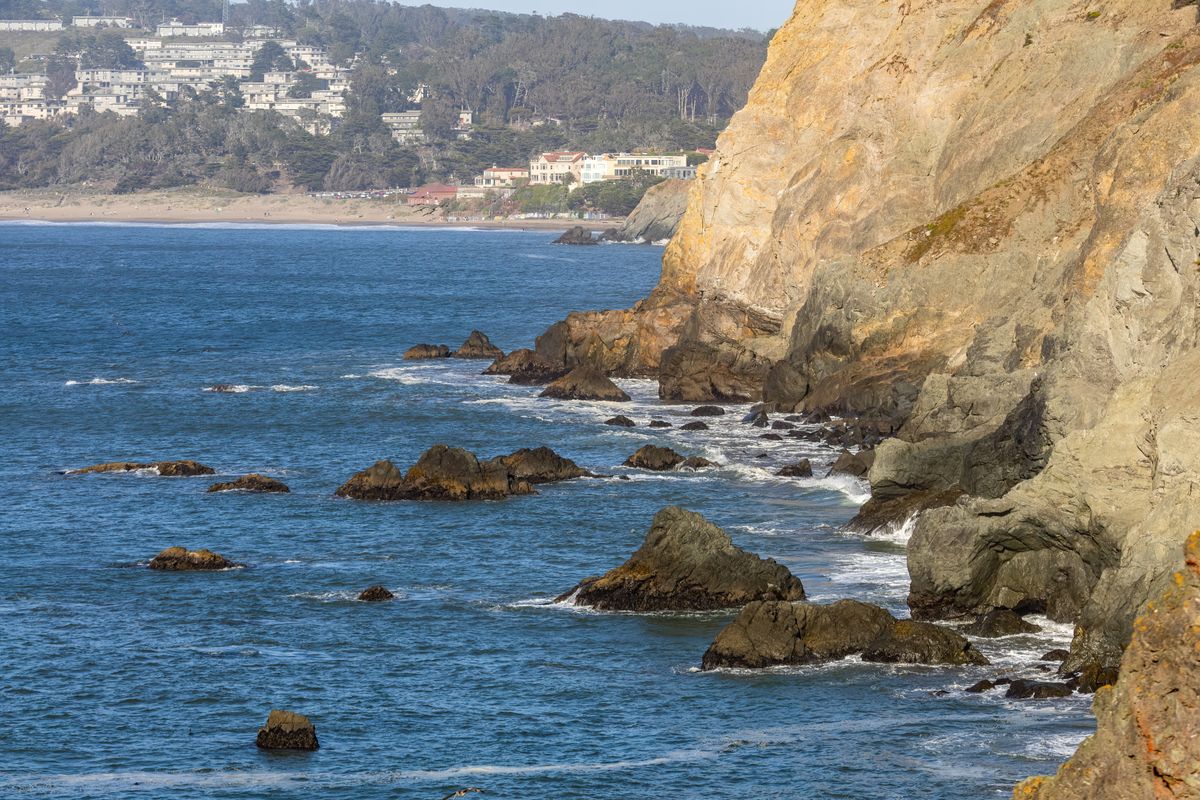
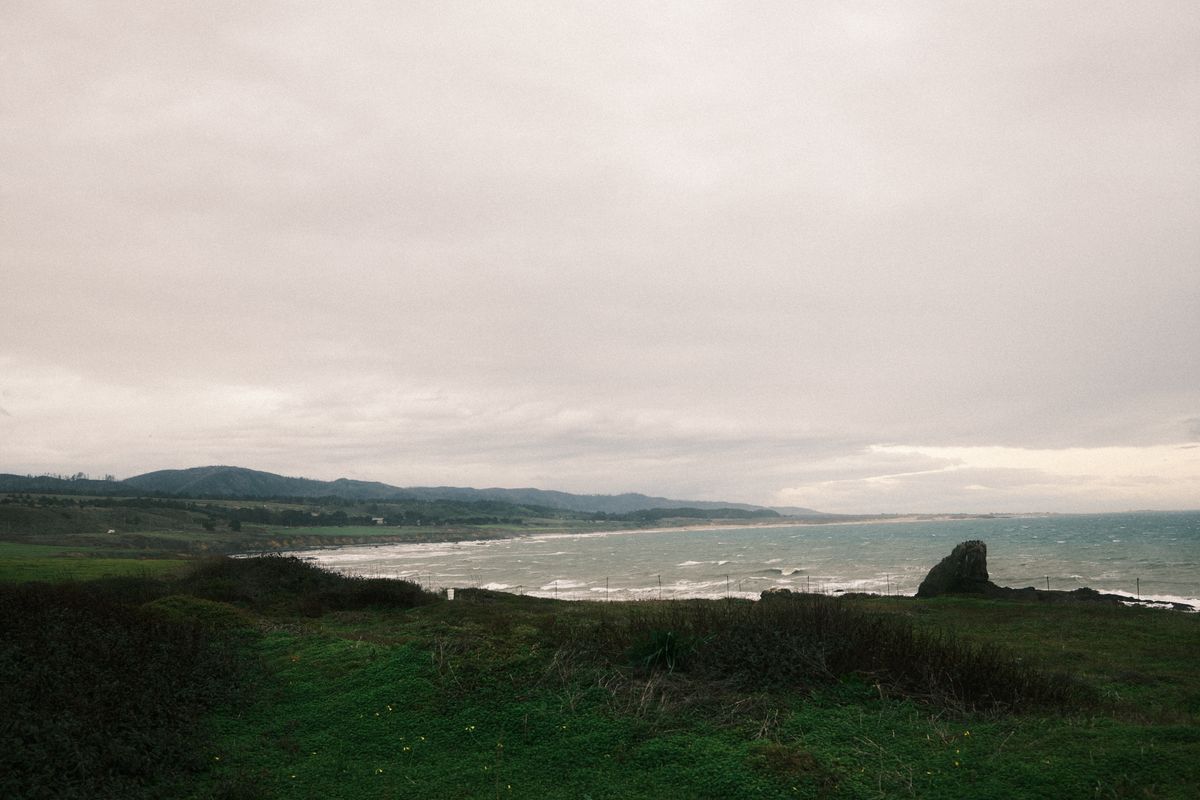
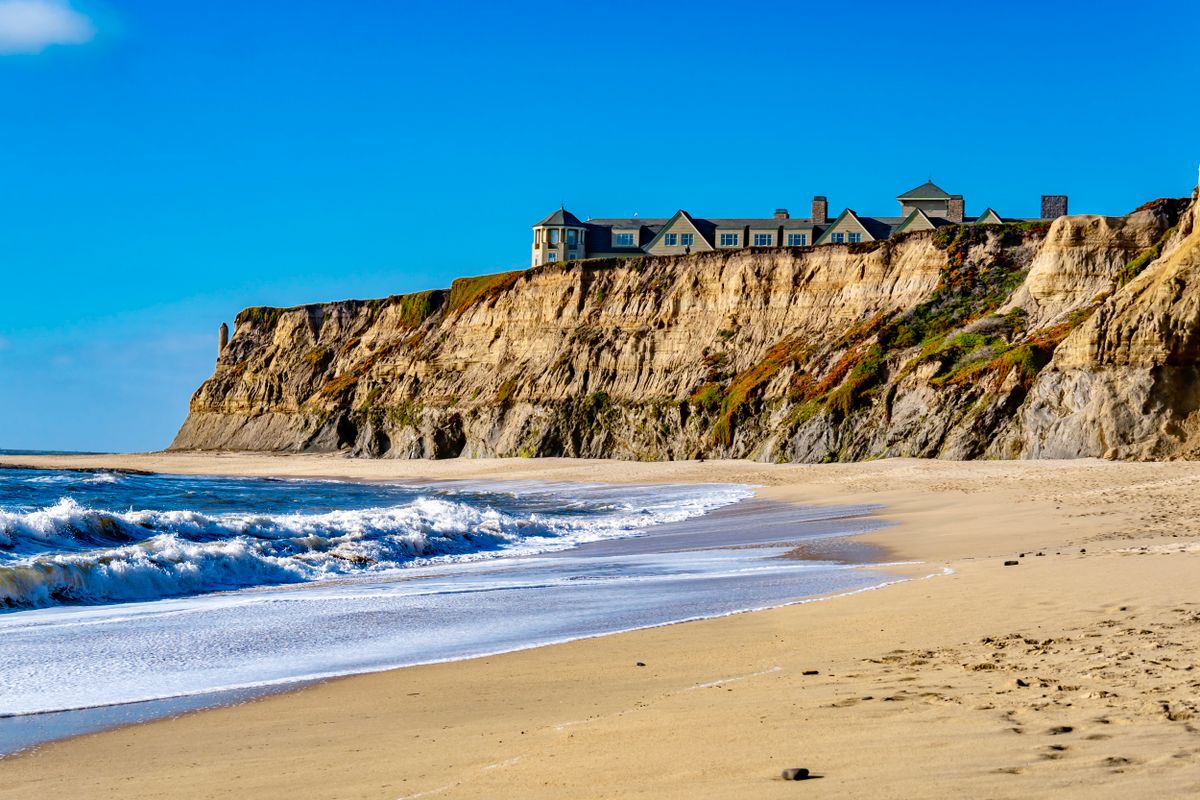
San Simeon — this is the coast these pages are about.
Quick answer: Tree Inspection in San Simeon, CA — Trees on this coast live with fog, salt, wind and thin soil, and the work that keeps them healthy is decided by those conditions rather than by a calendar written inland. Structure, clearance and the root zone are what a tree here needs looked at, and small work done early is what keeps a tree out of the emergency list.
- What it involves: Structural pruning, clearance from structures and wires, deadwood removal, root-zone care and hazard assessment.
- Typical timing: Structural work in the dormant months; deadwood, clearance and hazard work whenever the tree needs it.
- The standard: The ISA standards for pruning and tree risk assessment, applied by ISA-certified arborists.
- Where we work: Cambria, San Simeon, Harmony, Cayucos, Morro Bay, Los Osos and the Cambria pine belt.
- Our own record: 503 pages and 291 stories published on this site. Counted from our own archive, not a stock table.
Field note. What we see on this coast is that the trees people worry about are usually not the ones in trouble: the pine with a clean crown and a lean that predates the house is often sounder than the tidy tree that has been quietly drowning in its own root zone.
On the other hand, there is no schedule that suits every tree — the same species on two sides of one street can need opposite care, which is why we look before we recommend.
Cypress on this coast carry a disease that has no cure and a shape that makes it hard to see: cypress canker, a fungus that enters through bark and pruning wounds and kills branches from the inside, so a tree can look wind-shaped and healthy from the road while its crown is being hollowed out one branch at a time.
Told apart from ordinary salt burn it is manageable for years; missed, it fails at a fork that has been quietly dead for a decade. That distinction — canker, salt, beetle, or simply the wind's work — is what an inspection here is for.
The four things we separate
Salt burn is on the exposed face, the outer foliage, and the tree replaces it.
It looks alarming in a dry spring and means almost nothing. Cypress canker shows as scattered dead branches through the crown, often with the dead foliage hanging and a canker visible on the branch or the stem when you get to it — the tell is that the dieback is scattered rather than sheared, and that the tree is not replacing it. Bark beetle attack in the pines follows a different pattern: thinning, a fade in colour, pitch tubes and boring dust low on the trunk, usually in a tree that has been stressed by drought or root damage before the insects arrived. Structural failure is the fourth and the one that decides the answer: codominant forks with included bark, old storm damage that has decayed behind the new growth, and a root plate that has begun to lift on the ocean side after a wet winter.
How the walk goes
Base first — flare, soil movement, cracking in the duff on the uphill side, any change since a previous visit. Then the trunks and the forks, with a mallet on the old cypress because the sound tells you more than the look. Then the crown, and the dead material in it, because a wind-loaded tree with dead branches is a different risk from a wind-loaded tree without them.
Where a fork is the issue and the answer depends on the wood inside it, we bore and the report says which question the sample answered. Where the honest next step is a laboratory test for a pathogen, we say that rather than inventing certainty.
What you get out of it
A plain-language verdict: what the tree has, what it means over the next few seasons, what the options are and which one we would choose on our own land. For cypress canker specifically the truthful answer is often "manage, do not cure" — remove the affected limbs in dry weather, keep the tree's vigour up with water and mulch in the right season, avoid unnecessary pruning wounds, and reassess each year.
That is an unglamorous programme, and it is what keeps a sixty-year-old coastal tree standing for another decade or two, which for a cypress on this coast is a good outcome.
The habit worth copying: photograph your trees from the same two or three spots every year. Along this coast, decline is a gradient, the gradient is invisible in a single visit, and the pictures cost nothing.
Field note — Dr. Liam Zimmerman names the organism, the vector and the caveat, and is careful to separate what was measured from what is merely a confident guess.
Questions, quotes, or just exploring — we’re here to help.