


Giving a Root Zone Back Its Air
Soil & Root-Zone Remediation
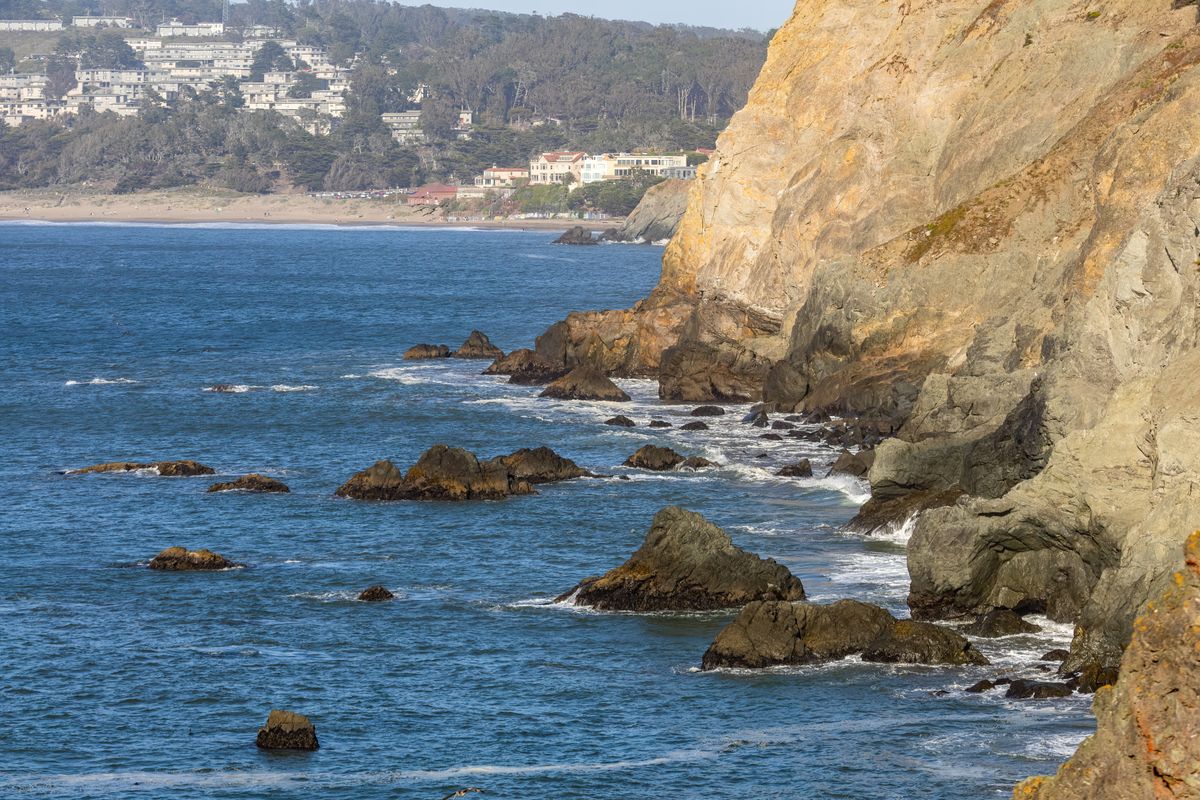
San Simeon — this is the coast these pages are about.
Quick answer: Soil & Root-Zone Remediation — A stump is the part of the problem that is still in the ground: it holds the roots that lift pavement, keeps a species alive if it re-sprouts, and occupies the spot where the next planting goes. Grinding removes it below the surface so the ground can be worked again, and the roots that matter are the ones under the driveway rather than the ones beside the trunk.
- Typical timing: Any month the ground is workable; rain-softened soil grinds fastest and leaves the cleanest spoil.
- What it involves: Assessing re-sprout risk by species, grinding below grade, raking the spoil back, and handling surface roots separately from the stump.
- The standard: ISA guidance on root cutting and the ANSI A300 pruning standard where roots and crown are worked together.
- Where we work: Cambria, San Simeon, Harmony, Cayucos, Morro Bay, Los Osos and the Cambria pine belt.
- Our own record: 503 pages and 291 stories published on this site. Counted from our own archive, not a stock table.
Field note. On this coast the stump is rarely the end of the job: Monterey pine and eucalyptus both keep enough energy in the roots to push new growth, so we are looking at the species before we quote the grind rather than after.
On the other hand, a stump left in a garden bed is sometimes the better answer — it decays, feeds the soil and costs nothing — so grinding is a choice, not a rule.
The Tree Is Fine. The Ground Is Not.
Most of the tree problems we look at on the San Simeon benches are not tree problems at all. They are soil problems with a tree standing in them: a root zone compacted by a parked trailer ten years ago, a pad graded so that six inches of fill sits over the original flare, a path poured across the only rooting space a cypress had.
The crown thins from the top down, the client describes a sick tree, and the answer is under it.
Root zone remediation is the work of putting that soil back. It is slow, it is physical, and on a mature tree it is measured in years rather than weeks — which is exactly why it is worth doing before the decline is irreversible.
What Damages a Root Zone Here
The soils on this stretch are sandy, shallow and quick-draining, and they are unusually easy to ruin in ways that do not look like damage.
- Compaction. One wet-season season of machinery, storage or parking can squeeze the pore space out of ground that no root can then grow through.
- Fill and grade change. The commonest cause of slow death on a built lot. Roots need the soil surface where they were, and burying the flare smothers them.
- Paving and hardscape. A patio is a roof over the root system, cutting off both air and rainfall.
- Cut roots. A utility trench or a foundation dug through the crown removes the roots that were feeding that side of the tree.
What We Actually Do
Where the ground is compacted, we break it open without turning it over. Air spading and radial trenching use compressed air to loosen soil around the roots rather than a blade to cut them, and the trenches are backfilled with the loosened soil and organic material so the structure holds. Where fill is sitting too high, it comes off the flare carefully, a little at a time, so the tree is not shocked by losing the ground it grew into.
Where the surface is sealed, we open rooting space, amend it, and return a mulch layer that keeps the pore space open.
How Much, and How Fast
Remediation on a mature tree is not a single visit. The dose matters: over-work a root zone in one pass and the stress of the work outweighs the benefit, so we usually plan it across two or three seasons and let the tree tell us how fast to go. Judging the response means reading the crown the following year, not the week after.
If the tree is already in serious decline, remediation may be part of the answer and management of the rest of it — see tree inspection services for the assessment that should come first. If the underlying problem is that the planting was wrong, a new tree in a properly prepared site may be the better spending.
Walk us around the parcel and show us where the grade changed. Call (805) 927-4414 or use our contact page, and start at our services.
Questions, quotes, or just exploring — we’re here to help.