



Feeding a Tree That Grows Into Wind
Root-Zone Aeration & Fertilization
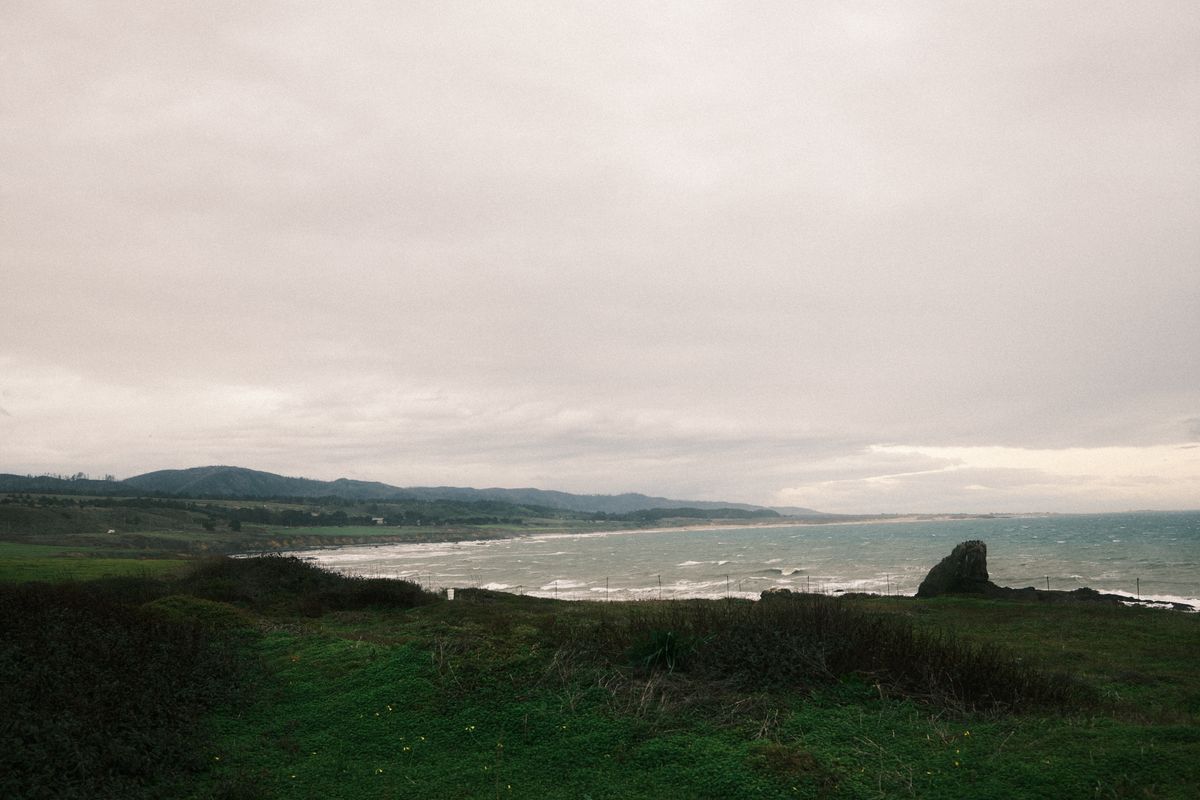
San Simeon — this is the coast these pages are about.
Quick answer: Root-Zone Aeration & Fertilization — A stump is the part of the problem that is still in the ground: it holds the roots that lift pavement, keeps a species alive if it re-sprouts, and occupies the spot where the next planting goes. Grinding removes it below the surface so the ground can be worked again, and the roots that matter are the ones under the driveway rather than the ones beside the trunk.
- Typical timing: Any month the ground is workable; rain-softened soil grinds fastest and leaves the cleanest spoil.
- What it involves: Assessing re-sprout risk by species, grinding below grade, raking the spoil back, and handling surface roots separately from the stump.
- The standard: ISA guidance on root cutting and the ANSI A300 pruning standard where roots and crown are worked together.
- Where we work: Cambria, San Simeon, Harmony, Cayucos, Morro Bay, Los Osos and the Cambria pine belt.
- Our own record: 503 pages and 291 stories published on this site. Counted from our own archive, not a stock table.
Field note. On this coast the stump is rarely the end of the job: Monterey pine and eucalyptus both keep enough energy in the roots to push new growth, so we are looking at the species before we quote the grind rather than after.
On the other hand, a stump left in a garden bed is sometimes the better answer — it decays, feeds the soil and costs nothing — so grinding is a choice, not a rule.
Feeding a Tree Growing Into Wind
There is a particular way to make a San Simeon tree worse, and it is the well-meant one: push it with quick nitrogen in spring, watch it throw a flush of soft, dark, fast growth, and then meet the first real onshore gale with a crown that is suddenly bigger, heavier and built from weaker wood. On a coast where the wind never really stops, feeding a tree is a question about structure before it is a question about colour.
Root-zone aeration and fertilization is worth doing when it is aimed at a diagnosed deficiency, and worth refusing when it is aimed at the calendar.
Start With the Soil, Not the Bag
The soils here are sandy, alkaline-leaning and heavily influenced by salt spray and shell fragments, and they behave differently from the inland clay most fertiliser advice is written for. Iron chlorosis, for instance, is common on this coast and looks like a nitrogen problem — yellow leaves with green veins — while the nitrogen in the soil is perfectly adequate.
Treating it with nitrogen makes the tree bigger and no greener. A soil test and a look at the leaf symptoms together are what separate the two.
Why Aeration Comes First
Fertiliser applied to compacted ground is largely wasted, because the roots that would take it up are in soil that has no air in it. Air spading and radial trenching open the pore space around the root zone so water, oxygen and nutrients can actually move, and the amendment that goes into those trenches is what feeds the tree afterwards.
- Air spading — compressed air to loosen soil without cutting the structural roots beneath.
- Radial trenching — several spoke-like trenches out from the trunk, backfilled with loosened soil and compost, which is how a root zone that has been paved or compacted gets rebuilt.
- Deep-root feeding — slow-release or low-salt material placed into the root zone rather than broadcast on the surface, where on a slope it mostly leaves.
What to Be Skeptical About
Mycorrhizal inoculants, root stimulants and proprietary tonics are sold with more confidence than the evidence supports. Some soil biology is genuinely worth building, and the durable way to do it is organic matter, mulch and an undisturbed root zone rather than a bottle. We will tell you when the honest answer is mulch, water and patience, and when a specific nutrient is genuinely missing.
The Timing Question
On this coast, feeding is best done in the season that matches root growth and not in the flush that precedes the windiest months, and it is never done on dry ground — fertiliser applied to dry soil burns roots rather than feeding them. Native oaks are the exception in the other direction: pushing an established coast live oak with nutrients and water is one of the ways to start a decline rather than prevent one.
If the crown is thin, the honest first step is usually a diagnosis rather than a feed — see inspection services — and if the soil itself is the problem, root-zone remediation is where the money should go.
Send photographs of the leaves and tell us what the ground is like. Call (805) 927-4414 or use our contact page, and read about everything else we do on this coast.
Questions, quotes, or just exploring — we’re here to help.