

Bringing Cover Back to Bare Ground
Revegetation & Native Planting
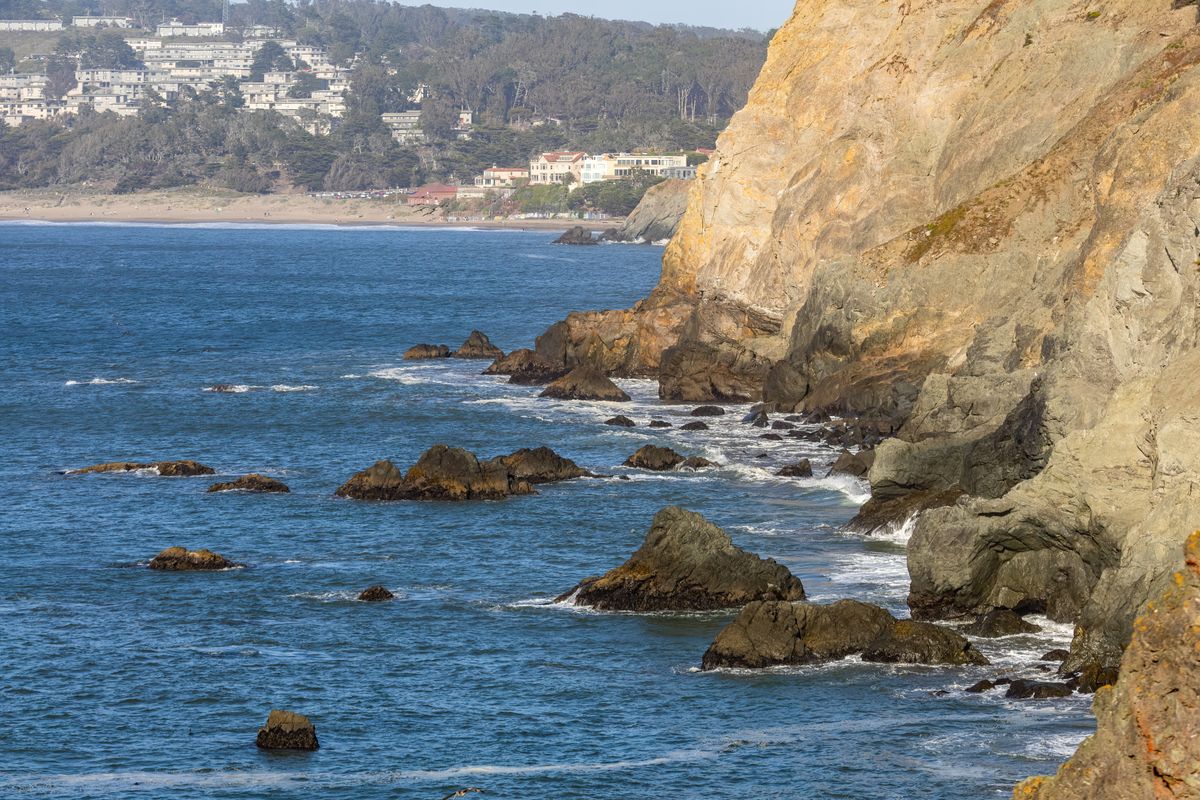
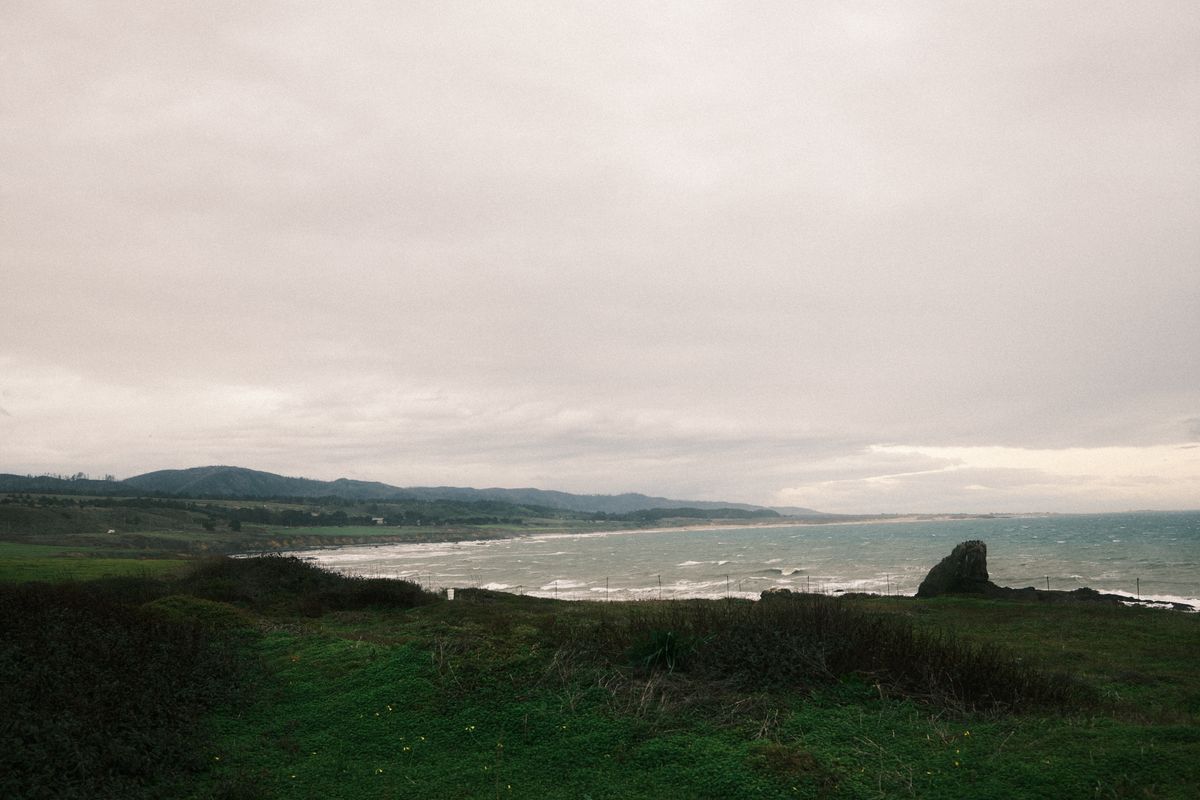
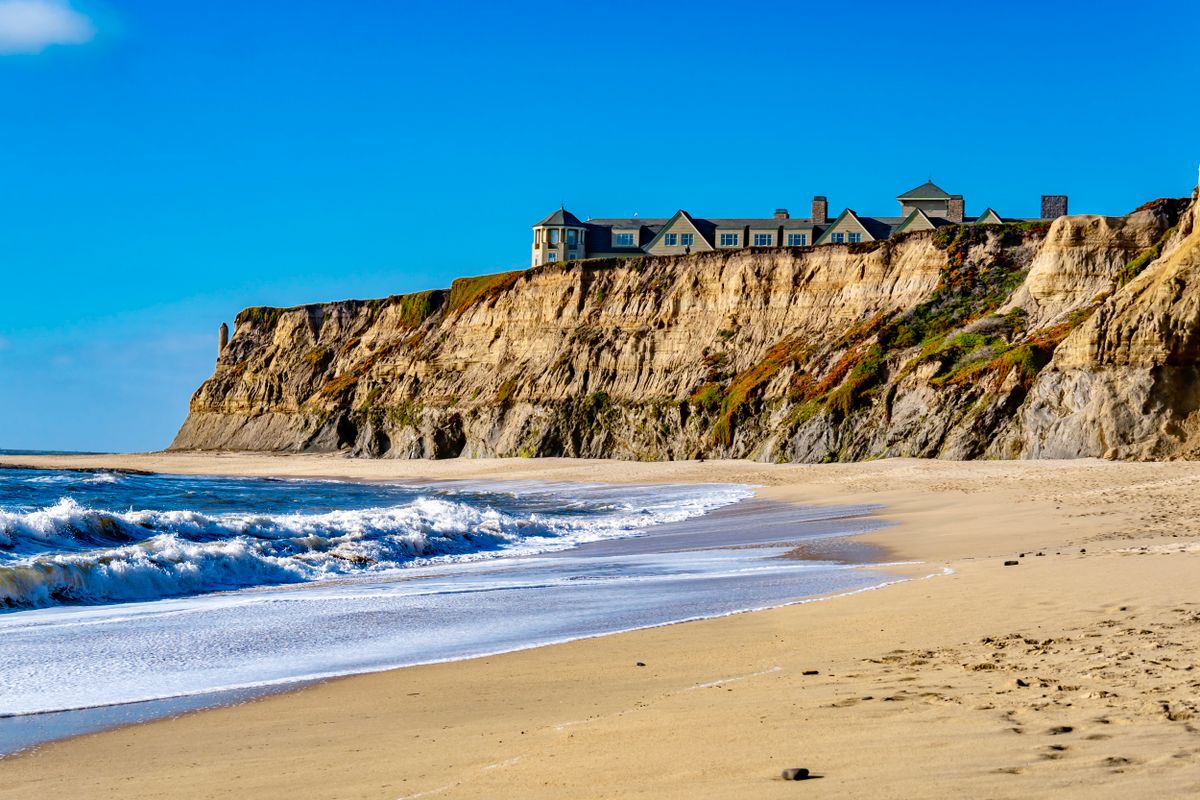
San Simeon — this is the coast these pages are about.
Quick answer: Revegetation & Native Planting — The tree that thrives here is the one chosen for this coast: fog, salt, wind and shallow soil are the local constraints, and mature size is the constraint most often ignored. Planting is a matter of putting the right species in a site that can hold it, then keeping the root flare visible and the first summers watered.
- Typical timing: Autumn planting, so winter rain does the establishment work; the first two summers decide the tree.
- What it involves: Matching mature canopy and root spread to the space, planting at the depth the tree grew in, and staking only when it is needed.
- The standard: Cal Poly’s SelecTree species data and university extension planting guidance.
- Where we work: Gardens and acreage from Cambria through Cayucos and Morro Bay.
- Our own record: 503 pages and 291 stories published on this site. Counted from our own archive, not a stock table.
Field note. What we see is that the coast is forgiving to the right species and unforgiving to the wrong one: the same tree that looks comfortable four streets in will burn on the windward side of a Cambria lot.
On the other hand, natives are not automatically the answer at every address — a species that belongs in the watershed can still be the wrong size for the garden it is standing in.
Covering Ground the Wind Has Stripped
San Simeon has more bare, wind-scoured ground per parcel than anywhere else on this stretch. Some of it is natural: a bluff face is supposed to be bare, and nothing you plant on it will stay.
The rest is ours — a cleared pad, a graded bank, a burn scar behind a structure, a slope stripped by a defensible-space pass done too thoroughly — and that ground is both an erosion problem in the first winter and an eyesore for years.
Revegetation puts cover back with plants that belong here and can survive here, which is a narrower list than a nursery catalogue suggests.
The Right Species Is the Whole Job
Site conditions on this coast are brutal in a specific way: salt in the air, near-constant onshore wind, summer fog and almost no rain from May to October. Anything that cannot take all four will fail in its second season, however well it is planted.
- Coastal bluff and foredune — saltgrass, beach bursage, dune sedge and the low matting species that take direct spray and burying.
- Windward slopes and upper banks — coyote brush, California sagebrush, ceanothus and the tough evergreen shrubs that hold soil with deep roots.
- Sheltered pockets and inland edges — coast live oak, toyon, coffeeberry, and the cypress and pine that will eventually make a windbreak if they get past the first two summers.
- Ground cover for sheer faces — locally sourced seed mixes, hydroseeded where a slope is too steep to plant by hand and where the surface needs holding before the first rain.
Seed, Container Stock or Both
Hydroseeding covers a lot of ground quickly and cheaply and is the honest answer on a long steep cut where hand planting is unaffordable. It is also less predictable, and it is entirely dependent on the seed mix being right for the site and the timing being before the rains.
Container stock costs more per square foot, establishes faster and lets us put the right plant in the right pocket, which is usually what a small residential bank wants. On most projects here we do both: container stock on the accessible banks and seed on the faces.
Establishment, Which Is Where These Jobs Fail
A native planting that gets no water through its first summer is a planting that dies in August, and the failure is quiet because it happens after everyone has stopped looking. On this coast that means irrigation through two summers, timed to be tapering off by the second year so the plants root down rather than stay dependent.
It also means keeping the water away from any established native oak, whose root zone is damaged by summer irrigation rather than helped by it.
Working With the Trees Already There
Revegetation is not a replacement for the mature trees on a site; it is the layer beneath them. Cover planted in the root zone of a cypress competes with it for water, so we keep the planting out of the root zones that matter, use low-water species under the canopy, and let the trees keep the structural job they are already doing.
Where the real problem is that a slope is moving rather than merely bare, planting is not the fix on its own.
Send a photograph of the ground and tell us what it is. Call (805) 927-4414 or use our contact page, and look at everything we do on this coast.
Questions, quotes, or just exploring — we’re here to help.