

One Bud, and No Second Chance
Palm Tree Trimming in San Simeon, CA
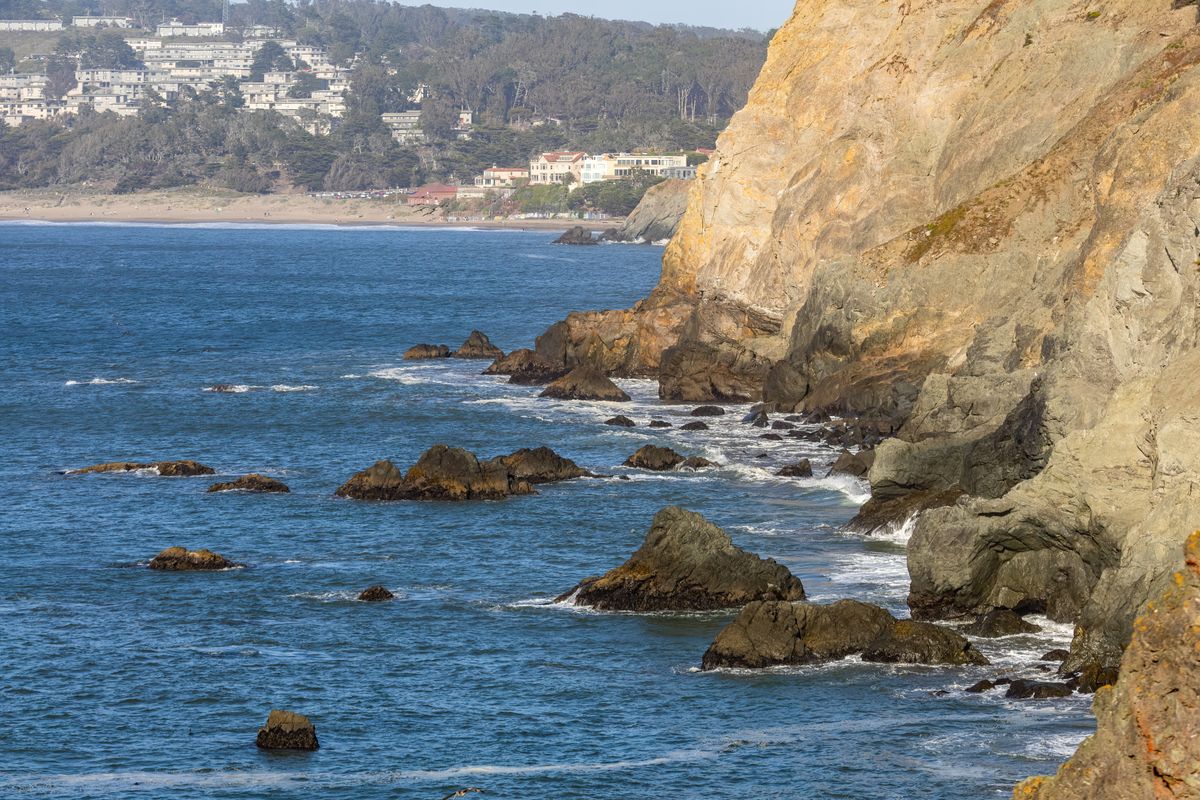
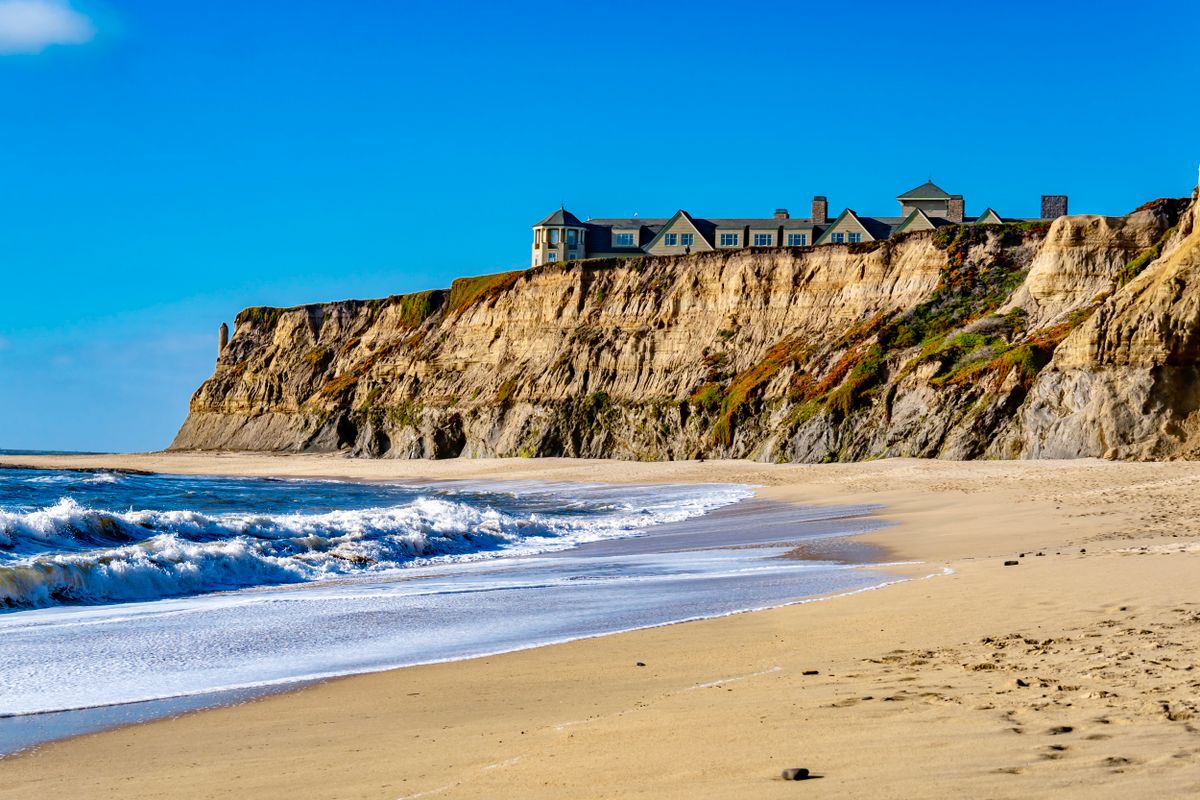
San Simeon — this is the coast these pages are about.
Quick answer: Palm Tree Trimming in San Simeon, CA — Pruning is a plan before it is a cut: deadwood and broken limbs first, then clearance from roofs, wires and paths, then the structure the tree will carry for the next decade. The right cut heals and the wrong one invites decay, which is why the order matters more than the number of cuts.
- Typical timing: Structural work in the dormant months, light clearance and deadwood any time the tree is not under stress.
- What it involves: Removing dead and crossing limbs, thinning to let light through, lifting low limbs for clearance, and never topping a tree.
- The standard: The ANSI A300 pruning standard as applied by ISA-certified arborists — including the three-cut method on every limb worth saving.
- Where we work: Cambria, San Simeon, Cayucos, Morro Bay, Los Osos and the towns between.
- Our own record: 503 pages and 291 stories published on this site. Counted from our own archive, not a stock table.
Field note. What we see on this coast is a pruning calendar that does not match the inland one: salt air, fog and wind mean a cut that would be minor in the valley can be the one that opens a crown to decay here, so we look at the species and the exposure before the season.
On the other hand, not every tree wants to be pruned: leaving a healthy canopy alone is a decision that pays, and a tree with plenty of space is often better served by doing nothing.
There are a handful of palms on the San Simeon parcels, most of them planted for the resort look, and almost all of them are trimmed too hard by whoever gets to them first. A palm is not a tree with a crown; it is a single bud on a column, and the trimming rules follow from that.
One growing point, no second chances
A palm grows from one bud at the top of the trunk. Everything that happens to that bud is permanent: cut it, damage it with a saw, or let it rot and the palm is finished, because nothing else on the plant can take over the lead. That is the entire reason palm practice differs from the pruning we do on cypress and pine.
What should come off
Nothing else. Live fronds are the palm's leaves and its food factories, and the sloping green shoulder of a well-kept palm is what it is supposed to look like.
- Dead fronds — the ones that are brown all the way to the base and hanging down the trunk.
- Fruit and flower stalks — the seed clusters that stain paving, block gutters and bring the rats.
- Dead boots and old leaf bases where they are loose and holding water against the trunk.
The over-pruned look costs the palm
Cutting a palm back to a few upright fronds — the so-called pineapple — is the fashion that keeps killing them. Fewer leaves means less food, the palm draws on its stored reserves, the trunk narrows where it grew on short rations, and the plant becomes measurably more likely to fail in wind or to lose the bud to cold.
A hard-trimmed palm on an exposed ridge with salt wind on it is a palm that has lost the fronds it needed for shade and for food, and it will look worse every year rather than better.
The species here
Most of what is planted on this stretch is the Mexican fan palm, which grows fast, sheds a lot and is the one most often over-cut. The Canary date palm is heavier, spinier and more tolerant of the coast, and needs its old leaf bases handled rather than stripped.
Both leave a great deal of litter below, and on a garden where the fronds sit on a lawn or a path that is a real part of the job rather than a detail.
Timing and the practical side
Trim after the worst of the winter wind rather than before it, and keep the seed stalks off before the fruit ripens and drops. Working in a palm means working around spines and a lot of loose material, and it is not a job to do from a ladder with a handsaw. Everything that comes off gets chipped or hauled — the standard decision on a parcel like this.
Have the palms looked at once a cycle
Send a photograph that shows the whole palm against the sky and one of the trunk's base. Call (805) 927-4414 or use the contact page, and see pricing before you book.
Questions, quotes, or just exploring — we’re here to help.