


Keeping the Oak's Ground Intact
Oak Tree Preservation in San Simeon, CA
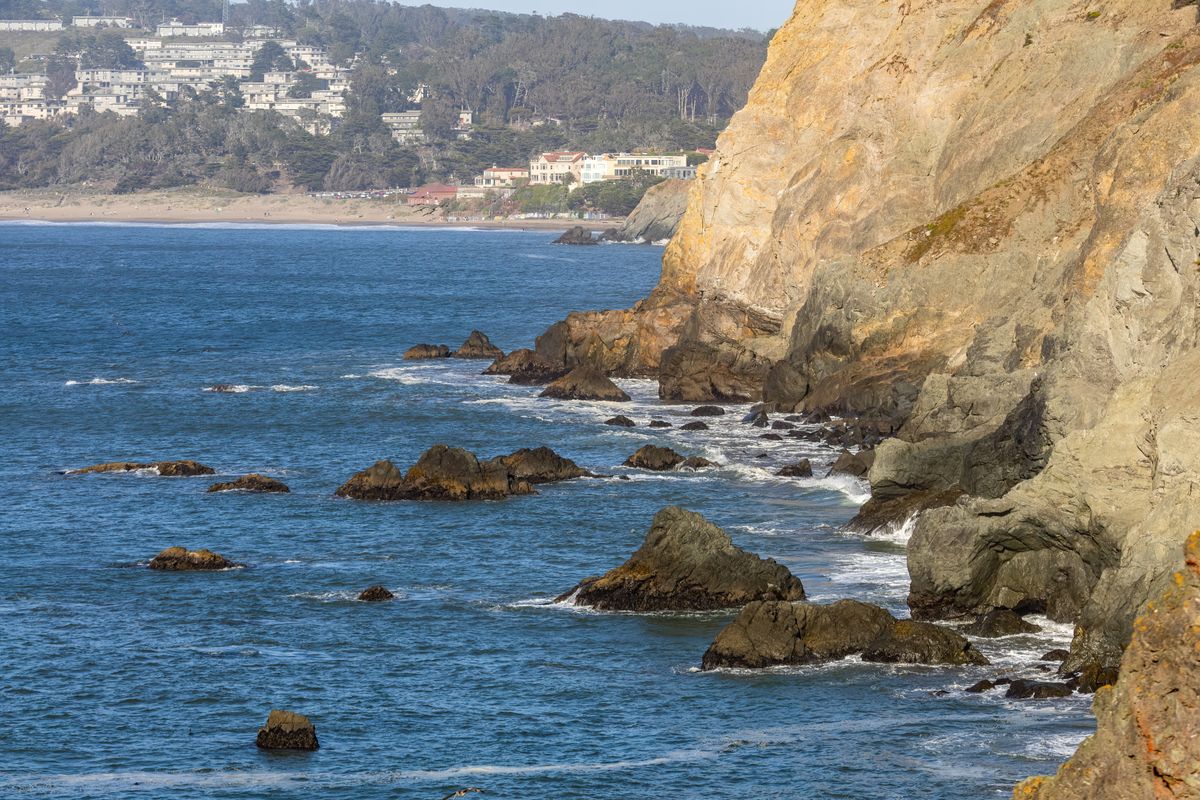
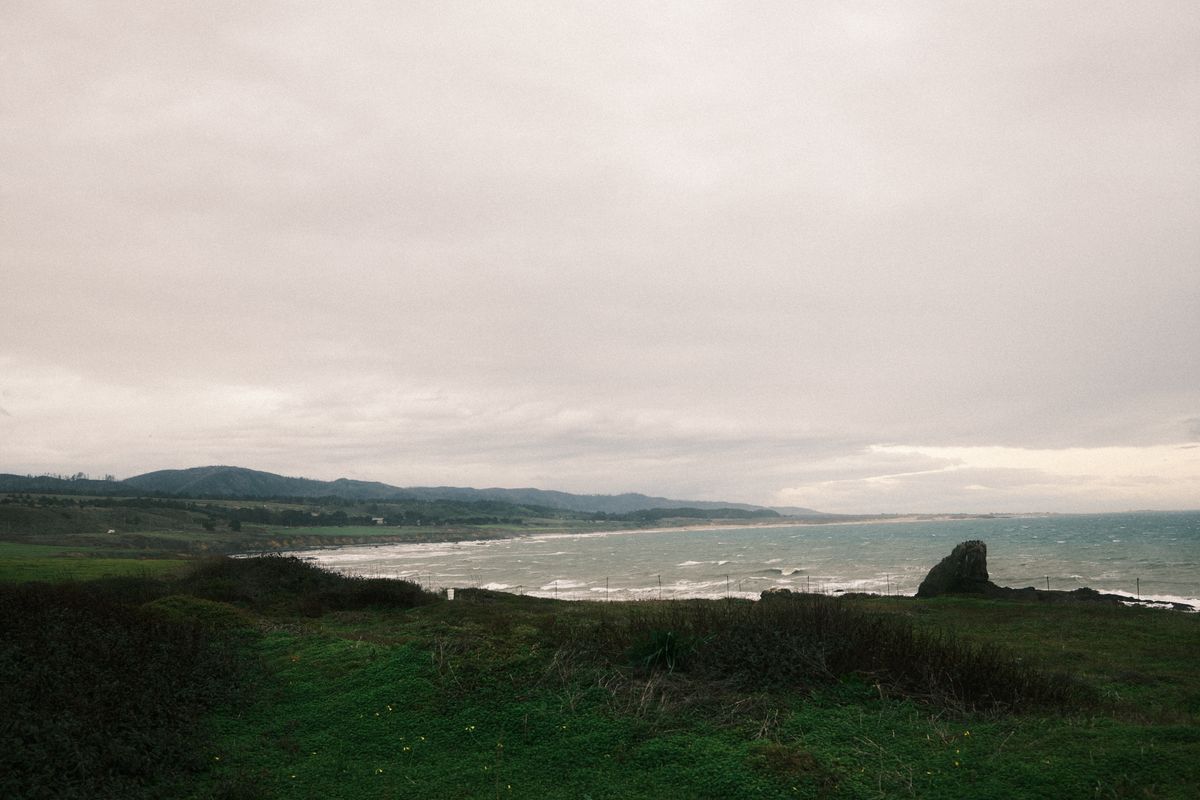
San Simeon — this is the coast these pages are about.
Quick answer: Oak Tree Preservation in San Simeon, CA — Most tree trouble on the Central Coast is identified before it is treated: a borer, a canker and a drought-stressed root system can look the same from the ground, and each has a different answer. Diagnosis is the first cut — host, sign and season — and the least-toxic control that fits comes after it.
- Typical timing: Monitoring from bud break; fungal problems follow the wet spring, borers the dry summer and the stressed tree.
- What it involves: Identifying the host and the organism, judging whether the tree can compartmentalise the damage, and removing what cannot be saved.
- The standard: UC IPM pest notes and the ISA standard for hazard assessment.
- Where we work: Cambria and the coastal oak, pine and cypress stands around it.
- Our own record: 503 pages and 291 stories published on this site. Counted from our own archive, not a stock table.
Field note. What we see on this coast is that the tree under fog is often the healthier one and the tree on a hot exposed edge is the one that gets hit — stress is the invitation, and the coast hides it well.
On the other hand, treatment is not always the kindest answer: for a hazard tree with internal decay, careful removal protects the neighbours, and replanting does more for the site than a season of injections.
Coast live oak is not the tree people picture when they think of San Simeon, and it is on the parcels here all the same — behind the ridge, up the creek terrace, in the sheltered ground the salt wind cannot reach. Those oaks live for centuries, and almost everything that shortens that is something a person did to the ground around them.
The root zone is the whole story
An oak's roots spread far wider than its crown and sit shallow, in the top foot or so of soil. That means the area that matters is not the drip line but a zone considerably beyond it, and it is the zone that gets paved, filled, graded, compacted by a parked truck, trenched for a sprinkler, or planted like a flower bed.
Preserving an oak is mostly a matter of keeping that zone intact: no fill and no cut, no more than light foot traffic, mulch and not turf, and any trench routed outside the protected area rather than through it. Where the ground has already been changed, the remedial work is slow and partial — see soil and root-zone remediation for what can be undone.
The rule that surprises people: no summer water
Coast live oak evolved with a dry summer and it does badly with irrigation. Watering it in summer, especially a lawn sprinkler that keeps the root zone damp through the warm months, is linked to crown and root disease and it is one of the fastest ways to lose a tree that was going to outlive the house.
Where the oak sits in a garden that is irrigated for something else, the answer is to give the oak's zone its own dry regime rather than to share the schedule.
Pruning has a window, and a reason
Oak pruning is done in the dormant season, and the reason is disease rather than tidiness. The pathogens and the beetles that attack an oak's wounds are active in the warm months, and an open cut in spring or summer is an invitation. We also keep the cuts modest and avoid removing more live wood than the tree needs to lose.
The rule that protects it
Large native oaks are generally protected, and on this coast that means an oak of any size on a parcel that is being developed can require an assessment and an approval before it is touched. Felling one to make a site easier is a decision with a process attached.
Where you are planning work near an oak — a drive, a foundation, a septic field — the useful thing is to find out early rather than after the plans are drawn.
What a preserved oak needs from you
Almost nothing, once the ground is right: no summer water, mulch rather than grass, no cut or fill in the root zone, and pruning in the dormant season when it is needed. That is the whole maintenance list, and it is why an oak that has been looked after for fifty years looks after itself for the next fifty.
Have the oak and its ground looked at
Photograph the tree, the ground beneath it and the nearest hard surface. Call (805) 927-4414 or use the contact page, and see our services for the wider work.
Questions, quotes, or just exploring — we’re here to help.