

The Cypress That Has Already Decided
Hazardous Tree Removal in San Simeon, CA
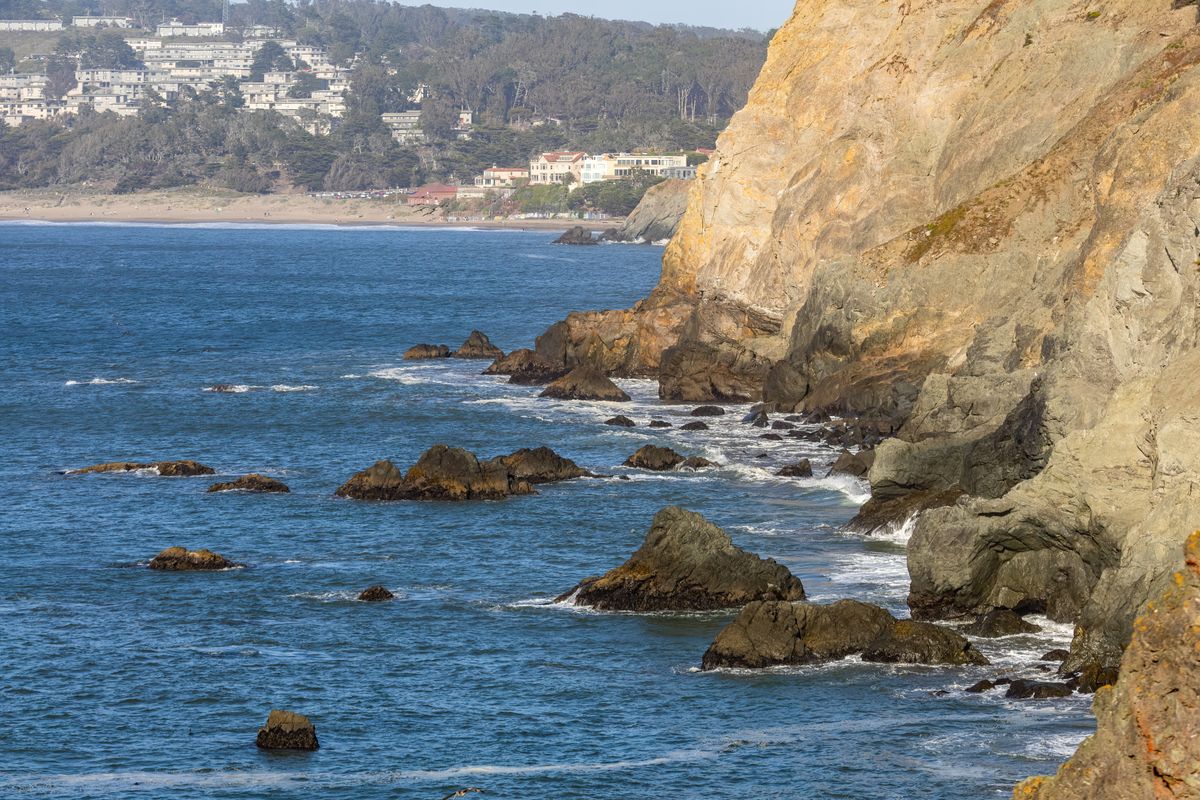
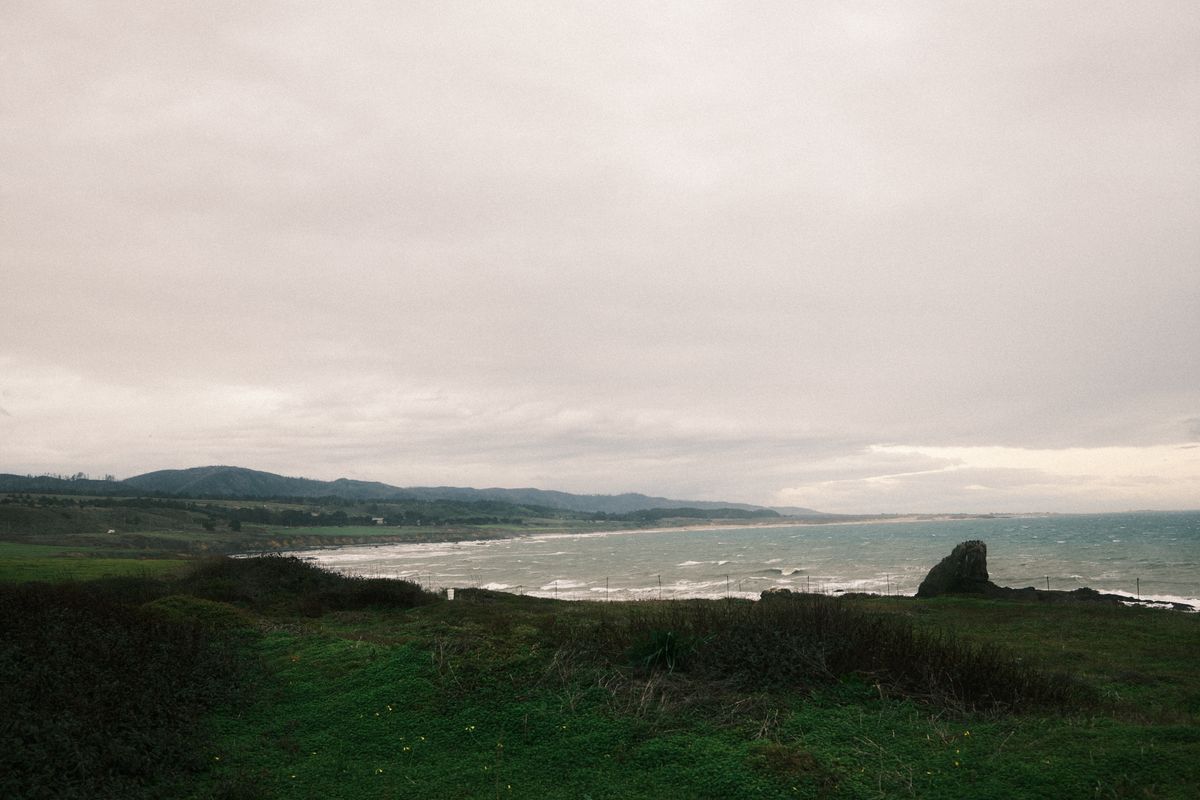
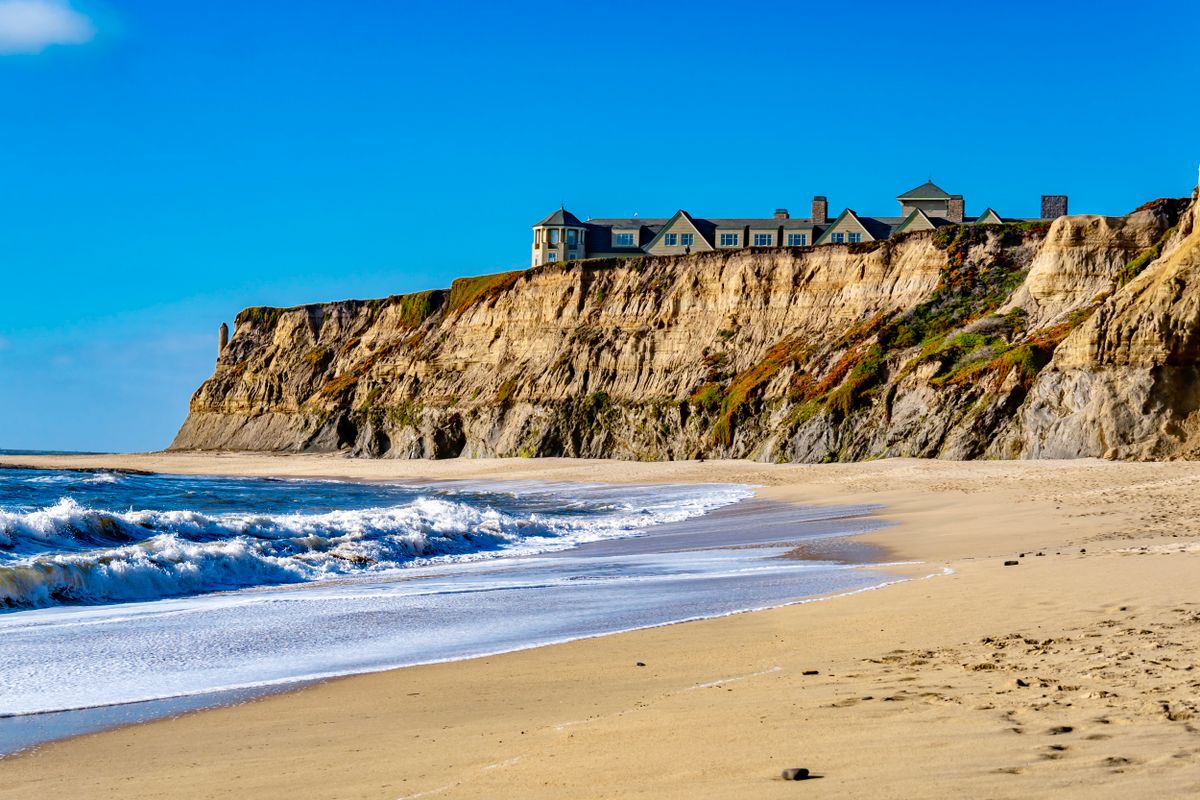
San Simeon — this is the coast these pages are about.
Quick answer: Hazardous Tree Removal in San Simeon, CA — The tree that thrives here is the one chosen for this coast: fog, salt, wind and shallow soil are the local constraints, and mature size is the constraint most often ignored. Planting is a matter of putting the right species in a site that can hold it, then keeping the root flare visible and the first summers watered.
- Typical timing: Autumn planting, so winter rain does the establishment work; the first two summers decide the tree.
- What it involves: Matching mature canopy and root spread to the space, planting at the depth the tree grew in, and staking only when it is needed.
- The standard: Cal Poly’s SelecTree species data and university extension planting guidance.
- Where we work: Gardens and acreage from Cambria through Cayucos and Morro Bay.
- Our own record: 503 pages and 291 stories published on this site. Counted from our own archive, not a stock table.
Field note. What we see is that the coast is forgiving to the right species and unforgiving to the wrong one: the same tree that looks comfortable four streets in will burn on the windward side of a Cambria lot.
On the other hand, natives are not automatically the answer at every address — a species that belongs in the watershed can still be the wrong size for the garden it is standing in.
A hazard tree on the San Simeon coast is usually a cypress that has been failing for years without ever falling over. Salt shears the windward crown back to a fist of live branches, the trunk thickens on the lee side, and the fork carrying the whole thing develops a seam of included bark that deepens with every winter of wind. It looks like a survivor. It is a tree with a countdown.
A defect plus something worth hitting
Hazard is not an age and it is not a species. It is a structural defect plus a target, and on this stretch of Highway 1 the target is rarely a person. It is a house, a parked car, the shoulder, a utility drop, a septic field cut into the bluff.
The trees standing over those things are the ones that matter, and for hazardous tree removal in San Simeon the sequence never varies: rate the defect, name the target, then decide the method.
The defects we actually find here
- Included bark at a fork — the commonest one. Two stems that grew as one, a seam of dead bark between them, and water sitting in the seam every winter.
- A lifted root plate — sand and bluff-edge soil is fast-draining and shallow-rooting, and a plate that has begun to rise shows as heaving ground on the uphill side.
- Cavity and conk — a hollow trunk with a bracket fungus on the outside is being digested from the inside.
- The lean that changed — a tree that has always leaned is one thing. A tree leaning further than it did last season is another.
- Salt-killed crown, live trunk — the most deceptive of the lot: a crown that reads as dead hides a root system that will keep the ground up for years.
Why the plan matters more than the saw
A hazardous removal is planned work. We rate the tree, work out which way the load wants to go, decide what is going to hold it while it goes there, and pick the drop zone before anything is cut. Where there is ground for a crane to sit, larger pieces leave the property in fewer, more controlled picks.
Where the tree sits behind a fence or across a creek terrace and the only approach is the highway shoulder, the same tree comes down in small pieces with ropes doing the work.
Neither method is better. What matters is that the plan matches the tree in front of it, and that the plan is made by someone who has stood underneath it.
Not the same job as a dead tree
A hazard tree may be perfectly alive, and a dead tree may stand somewhere harmless for a decade. The distinction is the defect and the target, which is why a dead tree removal and this page ask different questions even when the same tree is the answer.
Ground that has to be handed back better
Where the roots are part of what holds a bank, we plan the removal with the replacement already in it — the crown that is the hazard comes off, the root mass that is doing structural work stays, and the bank is planted before the first wet season. The site is raked, the drive put back, and the wood left cut for firewood if you want it.
Have it looked at before it decides for you
Tell us what the tree stands over and send a photograph of the whole tree, not just the crack. Call (805) 927-4414 or use the contact page, and see our services for the rest of the work on this coast.
Questions, quotes, or just exploring — we’re here to help.