



One Machine, One Pass, and No Burn Pile
Forestry Mulching in San Simeon, CA
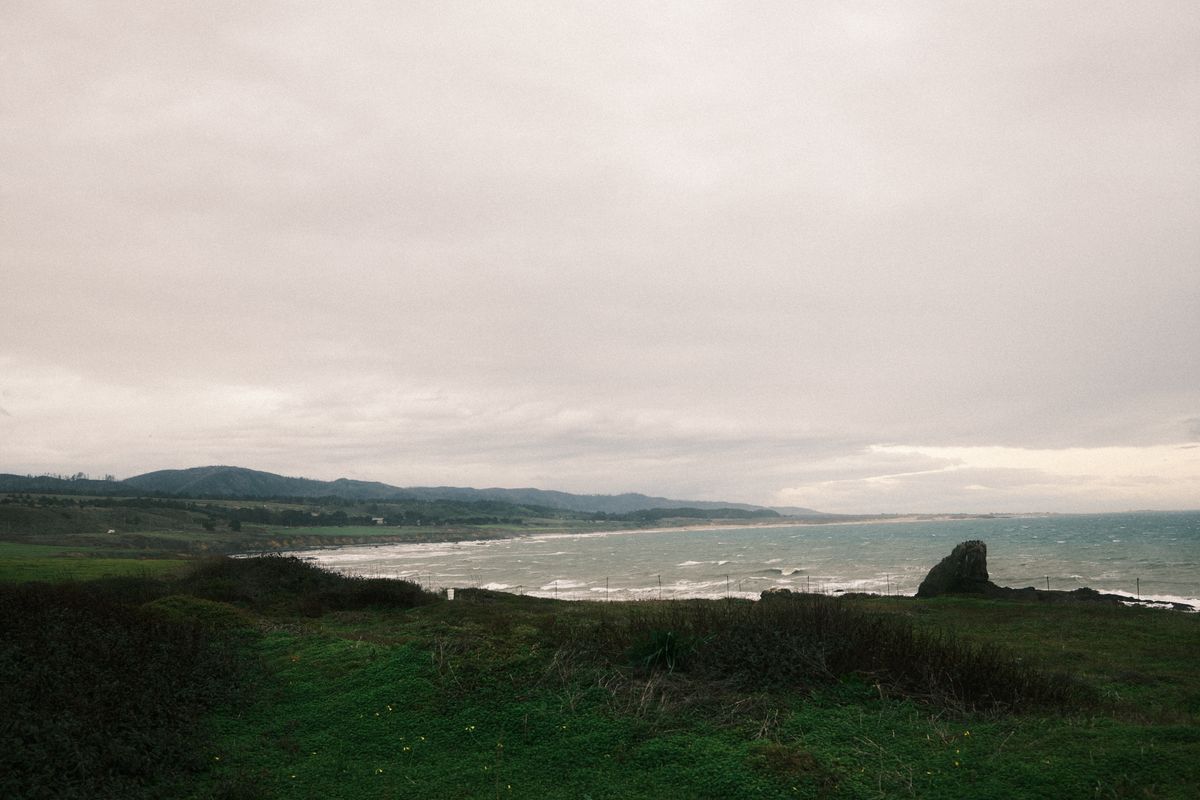
San Simeon — this is the coast these pages are about.
Quick answer: Forestry Mulching in San Simeon, CA — Mulch is the cheapest thing that happens to a tree: a flat layer over the root zone holds moisture through the dry season, keeps the soil temperature steady and feeds the soil life the tree depends on. Almost every mulch problem is a depth problem or a contact problem — too thick, or piled against the trunk where the bark has to stay dry.
- Typical depth: Two to four inches, flat, from the drip line inward — never a cone against the trunk.
- Typical timing: After planting or after a clean-up; refreshed in autumn so winter rain carries it down.
- What it involves: Keeping the root flare visible, keeping mulch off the bark, and choosing material that breaks down rather than mats.
- The standard: ISA and university extension guidance on arboricultural mulching and the root flare.
- Our own record: 503 pages and 291 stories published on this site. Counted from our own archive, not a stock table.
Field note. What we see most on this coast is not too little mulch but too much, in the wrong place: the volcano against the trunk that keeps the bark wet through the fog season and invites rot where the tree cannot show it until the canopy thins.
On the other hand, a thin ring of the wrong material is worse than none at all — matted, water-repellent mulch sheds the rain it was meant to store.
On the San Simeon hillside, hand-cutting brush means a pile you cannot burn and a haul-off that costs more than the clearing did. Forestry mulching skips both: a tracked carrier with a cutting head works the standing vegetation — coyote brush, broom, ceanothus, the volunteer pines that came up after a wet spring — and leaves the chips exactly where the plant stood.
That single fact is why it wins on this coast. On a slope too steep to walk a wheelbarrow, on a shoreline parcel where a smoke column would draw a phone call, and on ground where the alternative is a crew cutting by hand for a week, mulching does the job in a day and leaves the slope covered rather than bare.
What the Head Actually Takes
How much gets cleared depends on the material, not on the machine's specification, and being straight about that saves everyone the afternoon the carrier leaves half a row standing.
- Fine and medium brush — broom, coyote brush, dead ceanothus, blackberry canes. The head walks through this at speed.
- Saplings and volunteers up to about a hand's span at the base. These go down to the soil line or just under it, which is the whole point: a stem cut above ground reshoots from the stump, and one ground out does not.
- Dead standing material — dry saplings, fallen limbs, slash from an earlier cut. Brittle dry wood is the easiest thing the machine meets.
- What it will not take — mature Monterey cypress and pine, or any trunk with a target near it. A tree that size is a rigging or crane job, and a cutting head on a slope above a structure is not the tool for it.
The Chips Stay, and That Is Half the Value
The spoil is the product. A mat of chips over ground that has just been stripped of brush does three jobs at once: it holds the soil through the first big rain, it slows the surface water that would otherwise run straight off the hillside, and it suppresses the regrowth that would put the fuel back before the next dry season.
Left as an even mat — not mounded against trunks and not pushed into a windrow — it breaks down into the soil over a season or two and feeds exactly the root zone the brush was competing with.
Where a parcel has a use for the material elsewhere it can be hauled instead, but on a slope the answer is almost always to leave it in place.
Where Mulching Sits in the Fire Work
This is a fuel-reduction tool, so it belongs with the rest of the fire programme rather than standing on its own. The order is the same as any parcel: the walk first, because the zones decide what stays and what goes, then the brush work, and then the tree-side work above. The honest distinction from hand brush removal is method, not purpose — both break the vertical chain of fuel.
Hand cutting suits ground you can get a machine onto and material worth keeping in a pile; mulching suits the slope you cannot, the acre that needs a mat more than a pile, and the fuel load that would take a small crew a week by hand.
What It Will Not Fix, and When to Work
It removes standing fuel and does not restore a canopy. If low limbs over a roof are the rung a fire would use, the machine cannot reach them. Nor is it a substitute for thinning two crowded trees. Work the ground when it will carry a tracked machine: on this coast that is the dry half of the year, because a slope worked wet ends up with ruts and compaction that outlive the clearing.
Access is the real limit — a gate width, an overhead line, a septic field, a grade the carrier cannot hold on — and it is worth walking the parcel first to say plainly whether the machine can reach the whole job or part of it.
Tell us the acreage, the slope and the species you can see. Call (805) 927-4414 or use our contact page, and start at our services.
Questions, quotes, or just exploring — we’re here to help.