

Emergency Tree Service in San Simeon, CA
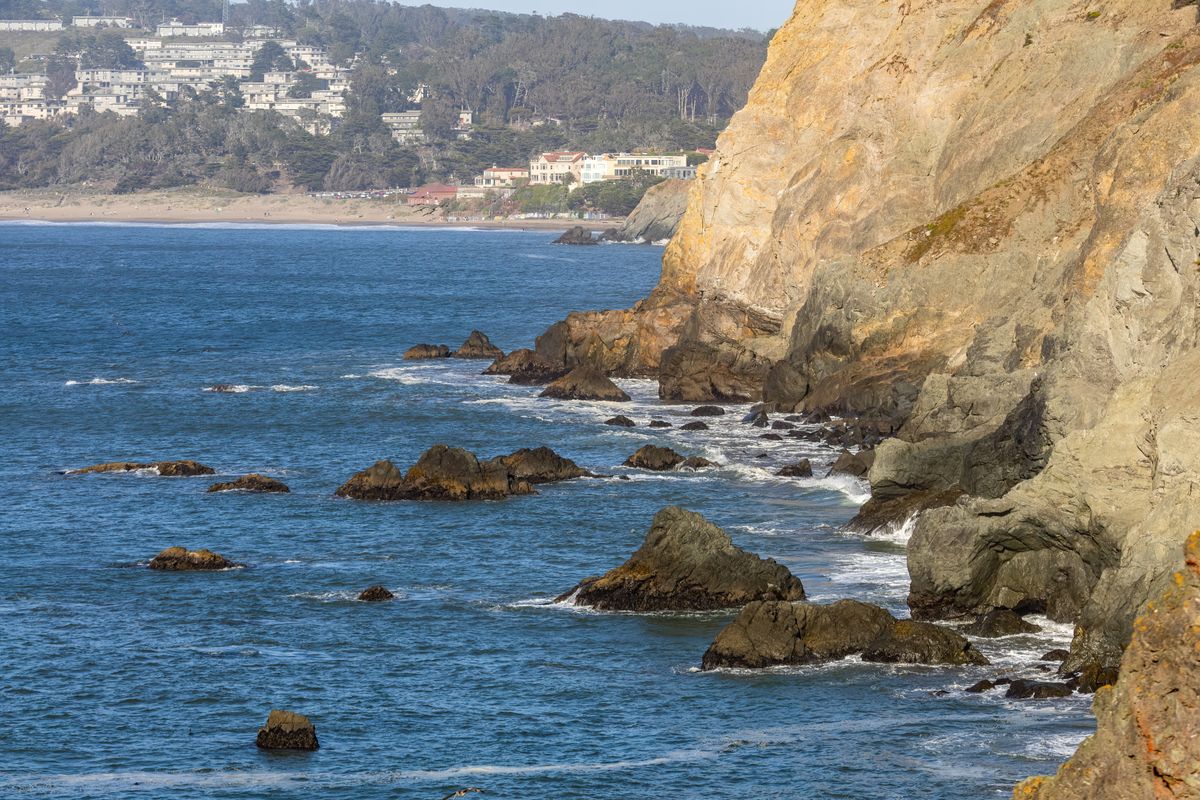
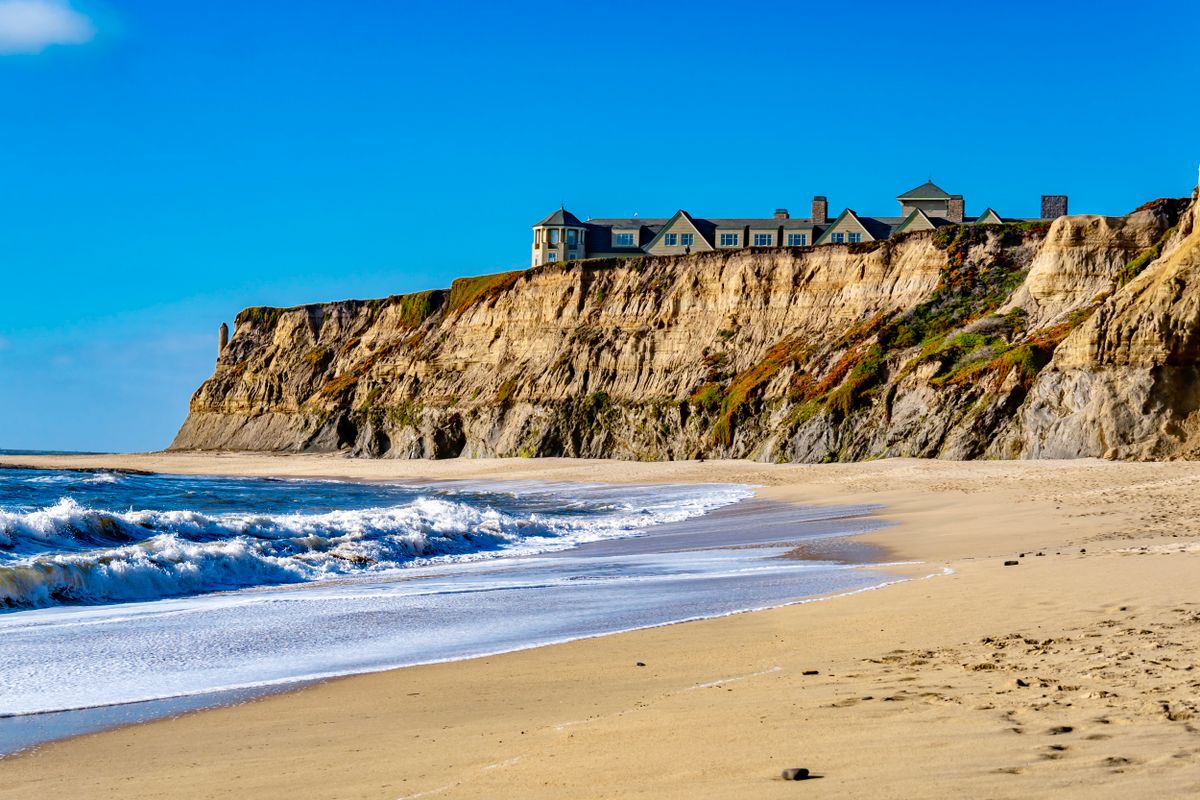
San Simeon — this is the coast these pages are about.
Quick answer: Emergency Tree Service — Removing a tree is planning before it is cutting: where the wood lands, what is under it, whether a rope or a crane takes the weight, and what is left when the crew drives away. A removal is finished when the drop zone is clear and the stump is dealt with, not when the trunk hits the ground.
- Typical timing: When the tree is a hazard, the schedule is immediate — storm damage, split leaders and leaners do not wait for good weather.
- What it involves: A written plan for the drop zone, rigging or crane work over structures, protecting driveways and roofs, and deciding the stump’s fate in advance.
- The standard: The ANSI Z133 safety standard for arboricultural operations, and ISA best practice for removals near structures.
- Where we work: Small town lots, coastal acreage and the narrow properties of the Cambria pine belt.
- Our own record: 503 pages and 291 stories published on this site. Counted from our own archive, not a stock table.
Field note. What we see here is that access decides the price more than height does: a pine over a fence on a slope with no driveway costs more to take down safely than a taller tree with a clear drop, and the plan is where that shows up.
On the other hand, removal is not the only safe answer — a tree with one failing limb, or a lean that can be corrected by reduction, is often better kept and managed than gone.
When a front comes through San Simeon it does not come through gently, and the calls afterwards have a predictable shape: a cypress across a driveway, a limb on the roof of a rental, a tree on the power drop, something down across the highway shoulder.
The first decision in all of those is not about the tree, it is about who is allowed to touch what — and on a coast where the utility line and the highway both run through the same narrow corridor, that answer changes the whole response.
The order, and the two things nobody else may touch
People first. Clear the drop zone — everything the tree can still reach, including the pieces being held up by the pieces already down — and keep children and vehicles out of it. Then the conductors. A line down, or a limb resting on one, is the utility's problem and nobody else's: no chainsaw, no rope, no clever idea with a pole.
The same applies to a broken service riser or the smell of gas. Then make safe, working from the side the tree is already going, taking off what is actually failing over a roof, a driveway or a path before anything is tidied. Then photograph — the failure, the base, the plate, the damage — before the debris is cut and stacked, because that record is what an insurer works from.
The highway corridor, which is its own discipline
Anything on the highway frontage involves Caltrans and a lane closure, and that process has a lead time even when the situation is urgent. What we can do immediately is work within the property boundary, keep traffic and crews separated, and get the paperwork started; what nobody should do is put a climber into a live lane to save an afternoon.
If the road is blocked, the first call is to the authorities who can hold the traffic, not to a tree company — the tree will wait, the traffic will not.
Storm-stressed trees that have not fallen yet
The other half of the emergency work here is the tree that is still standing and should not be. After a wind event, a cypress with a fresh split at a fork, a pine leaning a few degrees further than it did, a root plate that has lifted on the uphill side — those get assessed and either stabilised or removed on a priority basis, because the second storm is usually the one that finishes the job.
On this coast that assessment is often the most valuable emergency service we provide: not a removal, a decision.
Afterwards
Once the site is safe, the claim begins. We keep the cut sections identifiable where the cause matters — cypress canker in a failed fork, beetle-killed pine, a plate that gave in saturated sand — and write up what we found in plain language for an insurer, a landlord or the county if the tree came out of the public way.
On a stretch where a single storm can produce a dozen failures, crews triage: the tree over a bedroom comes before the pile of cut wood in the yard, and any company that tells you otherwise is selling convenience rather than safety.
Field note — Clara Young has spent her career arriving second, after the tape: the protocol on this page is boring because it was written by the people who attended the other outcome.
Questions, quotes, or just exploring — we’re here to help.