

Watering Deep on a Salt-Blown Slope
Deep Watering in San Simeon, CA
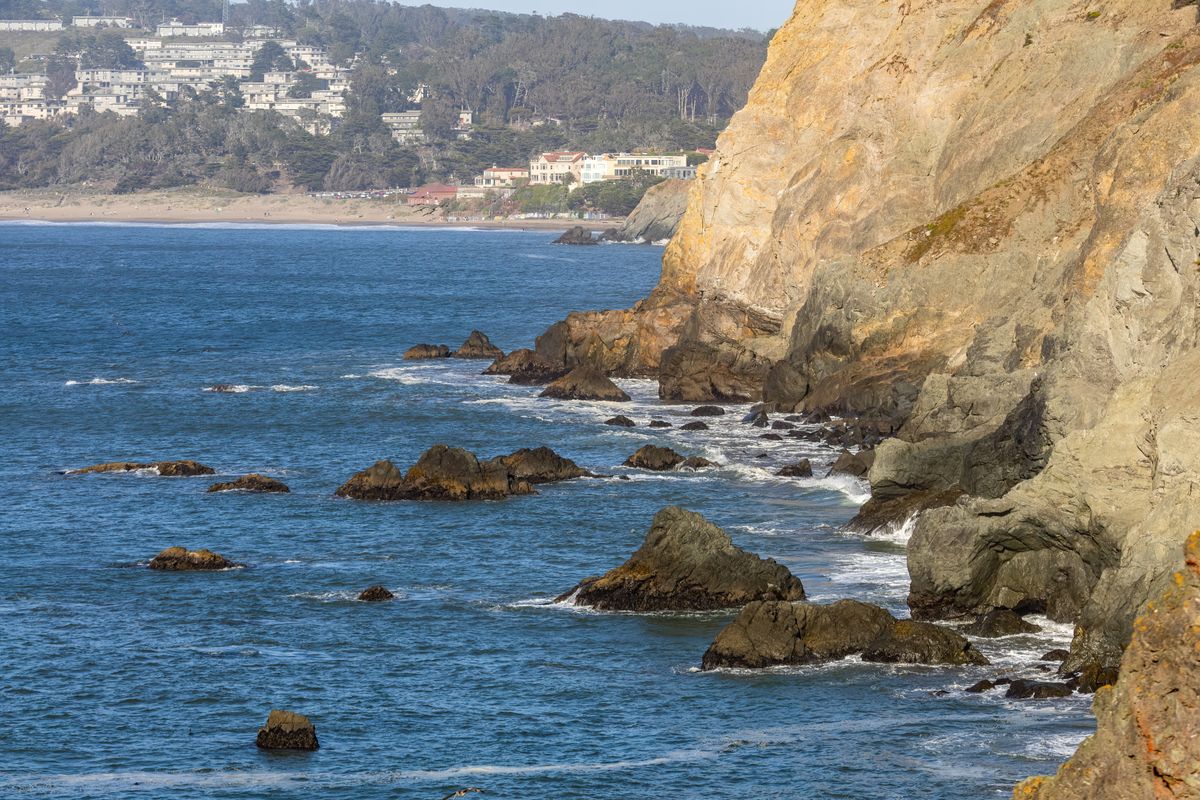
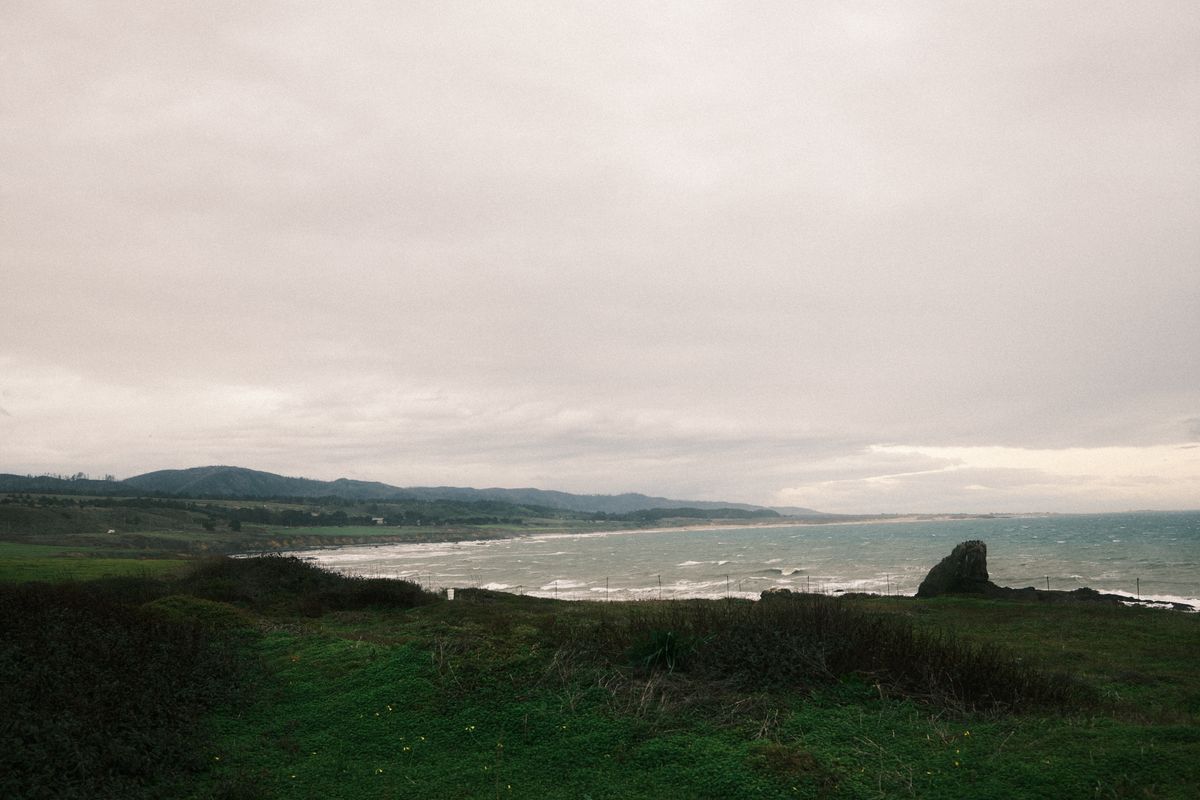
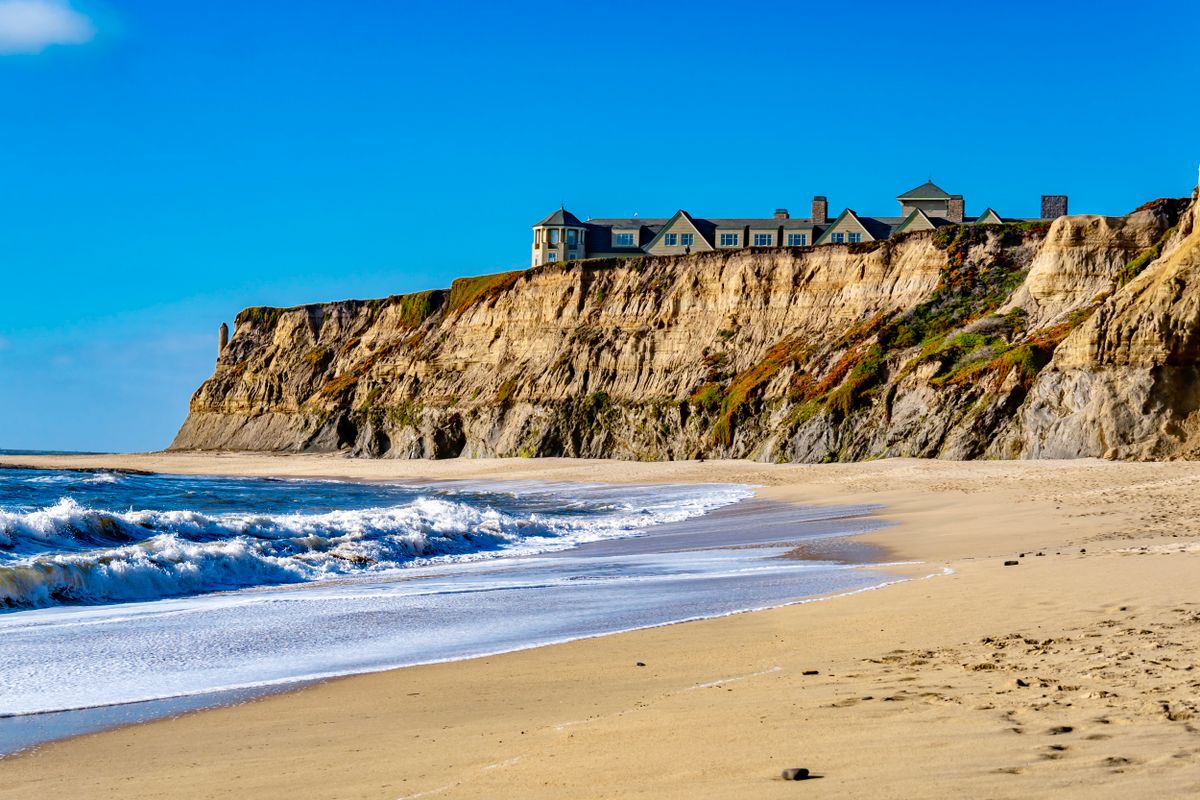
San Simeon — this is the coast these pages are about.
Quick answer: Deep Watering in San Simeon, CA — Trees are watered at the root zone, deeply and infrequently — a long soak that reaches down, then a dry spell that lets roots look for water, rather than a daily sprinkle that keeps everything in the top inch of soil. On the fog belt the question is rarely whether there is moisture in the air but how much got down to the roots.
- Typical timing: Deep watering through the dry season, spaced further apart as the tree establishes; young trees need it far more often than mature ones.
- What it involves: Watering at the drip line rather than the trunk, checking the soil six to eight inches down, and mulching so the water stays where it landed.
- The standard: University extension guidance on landscape tree irrigation and drought response.
- Where we work: The coastal terrace from Cambria to Morro Bay, sandy soil and clay both.
- Our own record: 503 pages and 291 stories published on this site. Counted from our own archive, not a stock table.
Field note. What we see here is that salt air and wind dry a canopy faster than the thermometer suggests, so a tree can be water-stressed on a grey week when nothing looks hot to the person holding the hose.
On the other hand, more water is not a cure-all: on clay, a daily soak drowns roots more often than drought does, and the symptoms look almost identical from above.
Salt Fog Is Not Water
San Simeon looks damp for much of the year and is, in the way that matters least to a tree. The fog that rolls over the bluff coats leaves and wets the top inch of sand, and it does almost nothing for the roots two feet down that decide whether a cypress gets through September.
That gap is why deep watering on this stretch is not a summer chore but a survival decision, and why the trees that die here in a dry year are usually the ones that looked fine in June.
Deep watering means getting water to the root zone in a way it can use, and on these soils that is a slower and more deliberate job than a hose left running.
Why Watering Here Is Different
Bluff and terrace ground on this coast is often sandy, shallow and quick to drain, sitting over a compacted layer or a cut bank. That combination produces two opposite failures on the same parcel.
The answer in both cases is the same: water slowly, at the right place, fewer times, and check the ground before adding more.
- Water runs off before it soaks in. A sprinkler on a sloping sandy lot delivers most of its output to the bottom of the slope and the street.
- Water sits where rooting is shallowest. A low pocket or a graded pad can hold saturated soil against a tree's crown, which is a far more common way to lose a cypress or a pine than any dry spell.
How to Do It Properly
Water at and just outside the drip line, not against the trunk, because that is where the absorbing roots actually are. Use a soaker hose, a low-flow emitter ring or a hose on a trickle moved around the circle, and run it long enough that the moisture reaches a foot or deeper — a short daily sprinkle only wets the surface and encourages shallow rooting that fails in wind.
Cycle and soak: give the ground a first pass, wait a few hours, then give it a second. Sandy soil cannot hold a single long application and clay cannot absorb it in one go, and the pause is what makes the water stay where it landed. Check with a trowel a foot down rather than trusting the surface, which dries out first and lies about everything below it.
The Tree That Should Not Be Watered
Not every tree here wants more water. A coast live oak inland of the fog line is adapted to a dry summer, and summer irrigation is one of the reliable ways to shorten its life and invite root disease. For an established native oak, the correct answer in a dry year is usually to leave it alone and keep the irrigation away from its crown.
We will tell you which of the trees on your parcel belong in which group before a hose is turned on.
Drought Symptoms, Read Early
Decline shows up from the top down and the outside in: a thinning crown, a flush of small leaves, dead twigs at the tips, early colour and an unusual seed crop are all signs of a tree under stress, and all of them appear before the obvious browning. Catching them in the first season gives a tree a chance; catching them in the third usually means managing the decline rather than reversing it.
Where the cause is soil rather than rainfall, the fix is under the tree — see soil and root-zone remediation.
Tell us the species, the slope and how long the tree has looked thin. Call (805) 927-4414 or use our contact page, and look at all our services if you want the wider picture.
Questions, quotes, or just exploring — we’re here to help.