

Smaller Without Being Topped
Crown Reduction in San Simeon, CA
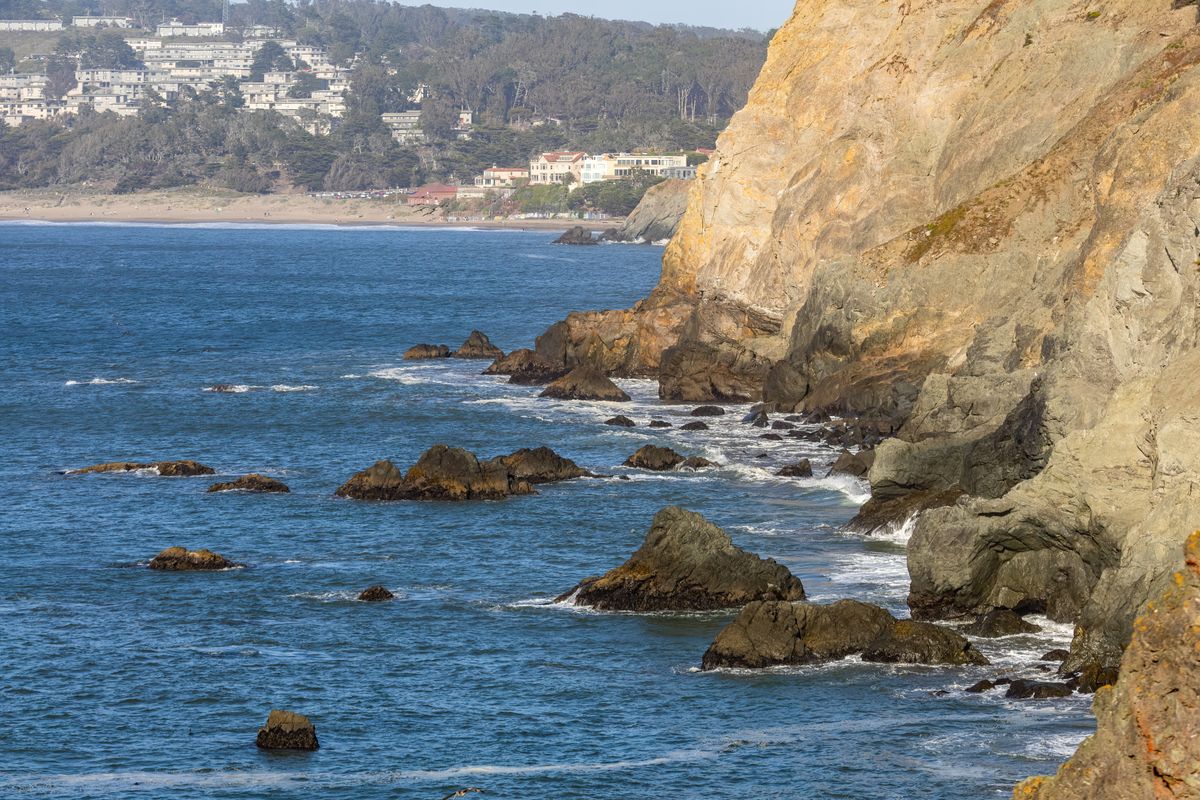
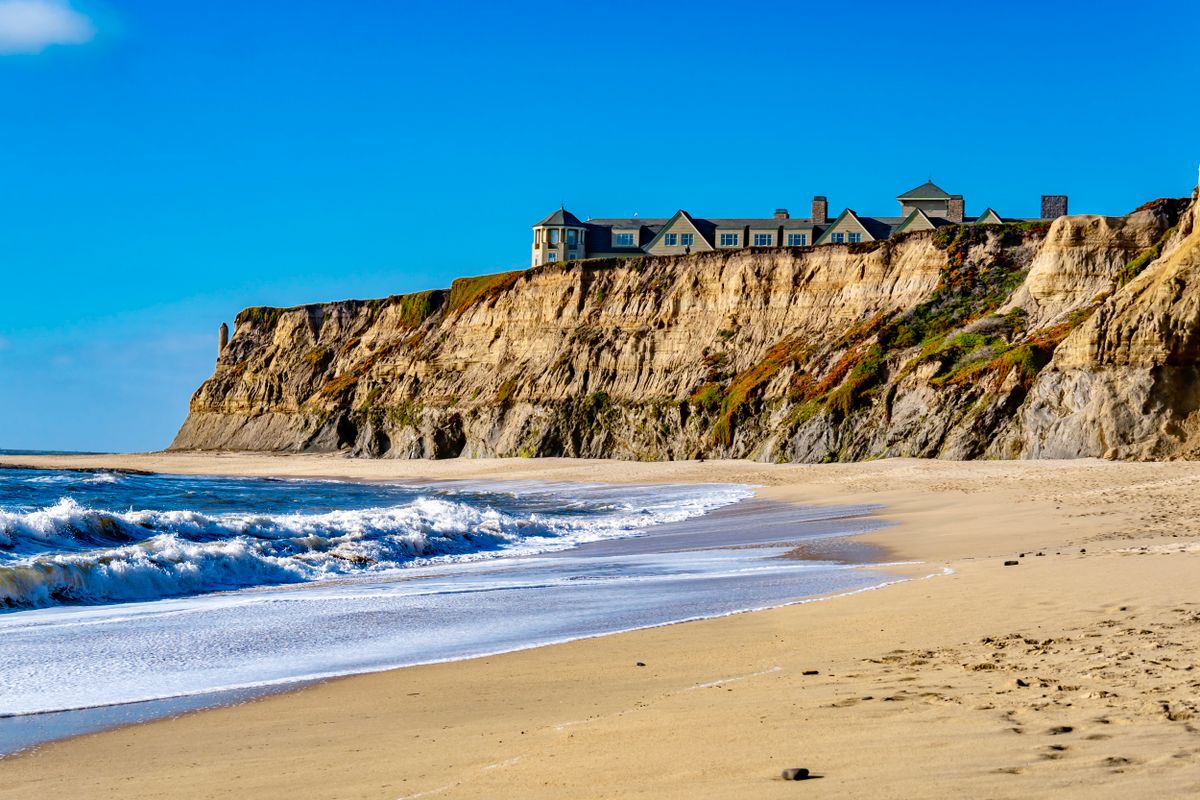
San Simeon — this is the coast these pages are about.
Quick answer: Crown Reduction in San Simeon, CA — Trees on this coast live with fog, salt, wind and thin soil, and the work that keeps them healthy is decided by those conditions rather than by a calendar written inland. Structure, clearance and the root zone are what a tree here needs looked at, and small work done early is what keeps a tree out of the emergency list.
- What it involves: Structural pruning, clearance from structures and wires, deadwood removal, root-zone care and hazard assessment.
- Typical timing: Structural work in the dormant months; deadwood, clearance and hazard work whenever the tree needs it.
- The standard: The ISA standards for pruning and tree risk assessment, applied by ISA-certified arborists.
- Where we work: Cambria, San Simeon, Harmony, Cayucos, Morro Bay, Los Osos and the Cambria pine belt.
- Our own record: 503 pages and 291 stories published on this site. Counted from our own archive, not a stock table.
Field note. What we see on this coast is that the trees people worry about are usually not the ones in trouble: the pine with a clean crown and a lean that predates the house is often sounder than the tidy tree that has been quietly drowning in its own root zone.
On the other hand, there is no schedule that suits every tree — the same species on two sides of one street can need opposite care, which is why we look before we recommend.
Nobody on the San Simeon bluff asks for a smaller tree because they dislike trees. They ask because a cypress that was planted clear of the house is now over it, or because a limb that used to lean into the wind is now leaning at the bedroom window. Crown reduction is how a tree gets smaller without being ruined.
Reduction is a specific set of cuts
To reduce a tree you cut limbs back to a lateral branch that is large enough to take over as the leader — big enough to assume the growth and to suppress the stub, and positioned so the cut is not left hanging in the open.
Do that across the crown on the right proportion of branches and the tree gets shorter and narrower while keeping its shape and its live crown. Nothing is left as a stub, and nothing is cut between the nodes.
Topping, and why it is not this
Topping cuts limbs wherever the height happens to be wanted, leaving stubs with no lateral to take over. What happens next is predictable: the tree produces a flush of weak shoots from the stub, each attached to wood that never grew to support it, and within a few seasons you have a tree that is more dangerous than the one you started with.
On a coastal tree loaded by salt wind, that regrowth is very good at coming off in a gale. Topping is not a shortcut to reduction; it is a different outcome with a worse ending.
How much is safe in one pass
Less than people would like. Reduction is done as a proportion of the live crown and repeated over years rather than achieved in one visit. A tree that loses too much of its crown in a single pass has no way to make the energy it needs to seal the cuts, and it starts living off its reserves. The honest answer to "can you take a third off it" is usually "not in one go".
Where reduction is the right tool on this coast
- Over a roof or a chimney where the tree is sound and the alternative is removal.
- A wind-loaded limb that has grown heavier than the crotch holding it.
- A crowded cypress row where one or two stems have to come down a little so the rest can stand.
- An ocean view that has closed over — though that is often better solved by careful sightline work than by shortening the whole tree.
The decision, named plainly
Reduction buys time. On a structurally failing tree it buys the wrong kind of time, and removal is the honest recommendation. Where the tree is sound and the problem is simply proximity, reduction is the work that keeps it — and it is work worth doing once, properly, rather than repeatedly and hard. If you want the crown seen before it is cut, book a look at the site.
Ask what the tree can take
Send photographs of the tree and of whatever it is over. Call (805) 927-4414 or use the contact page, and see our services for the rest of the work on this coast.
Questions, quotes, or just exploring — we’re here to help.