



Every Tree on the Parcel, on One Sheet
Commercial Tree Inventory
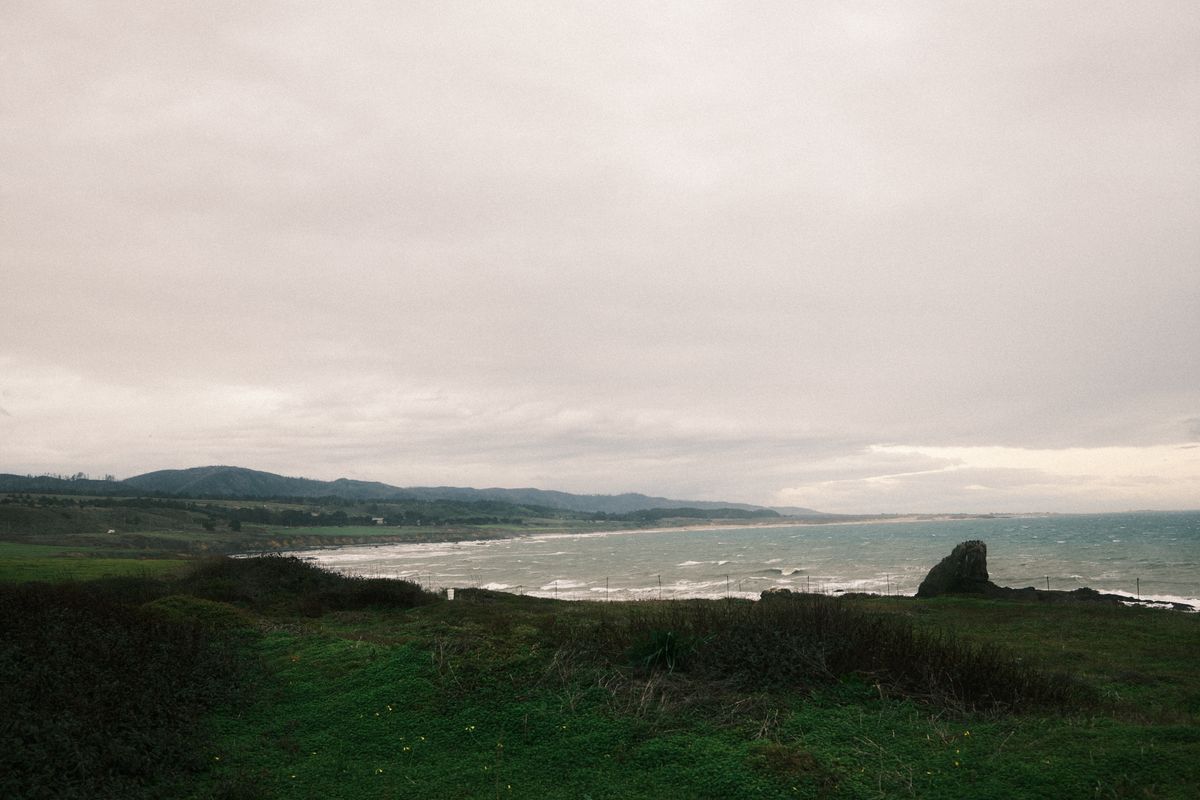
San Simeon — this is the coast these pages are about.
Quick answer: Commercial Tree Inventory — Trees on this coast live with fog, salt, wind and thin soil, and the work that keeps them healthy is decided by those conditions rather than by a calendar written inland. Structure, clearance and the root zone are what a tree here needs looked at, and small work done early is what keeps a tree out of the emergency list.
- What it involves: Structural pruning, clearance from structures and wires, deadwood removal, root-zone care and hazard assessment.
- Typical timing: Structural work in the dormant months; deadwood, clearance and hazard work whenever the tree needs it.
- The standard: The ISA standards for pruning and tree risk assessment, applied by ISA-certified arborists.
- Where we work: Cambria, San Simeon, Harmony, Cayucos, Morro Bay, Los Osos and the Cambria pine belt.
- Our own record: 503 pages and 291 stories published on this site. Counted from our own archive, not a stock table.
Field note. What we see on this coast is that the trees people worry about are usually not the ones in trouble: the pine with a clean crown and a lean that predates the house is often sounder than the tidy tree that has been quietly drowning in its own root zone.
On the other hand, there is no schedule that suits every tree — the same species on two sides of one street can need opposite care, which is why we look before we recommend.
An owner here with a dozen cypress, a stand of pine on the bank and a windbreak along the drive does not usually have a tree problem. They have a bookkeeping problem: nobody knows what they have, so every decision about it is made in the moment, at the worst possible time, with a limb already down. A commercial tree inventory is the answer, and it is a document rather than a service call.
It is also the thing that turns tree care from a series of surprises into a budget line an owner or manager can actually plan against.
What a Tree Record Holds
Every tree on the property gets its own entry, and the entry is only useful if it is specific enough to act on.
- Identification — a tag or map reference, so that "the big cypress by the second gate" becomes a location anyone can find.
- Species — species drives everything downstream, because a Monterey cypress and a coast live oak fail differently, tolerate pruning differently, and carry different life expectancies on this coast.
- Size — trunk diameter and height, which is what a budget is built on and what a risk assessment needs.
- Condition and defects — trunk, root zone, crown, and anything a walk can see: included bark, decay, a lean that is new, a root plate that has lifted.
- Risk rating — an assessed likelihood of failure against what the tree would hit, which is where a target like a parking space or a guest unit changes the priority.
- Recommended work and priority — the specific action, and whether it is urgent, this season, or part of the multi-year cycle.
The Output a Manager Can Use
The deliverable is a spreadsheet or GIS layer with one row or one point per tree, photographs of anything of note, and a short summary that reads as a plan: the risk work to do now, the maintenance cycle for the rest, and the cost of each phase.
On a parcel like those here the value is partly in the phasing, because a bank of cypress coming to the end of its life all at once is a five-figure replacement, and a plan that says so two years ahead is a plan that can be saved for.
Why It Is Worth Doing Before a Storm
After a big blow on this coast, the calls come in from owners who cannot say which trees were already compromised, or whether a fault was known. An inventory answers both, defensibly, with a date on it. That matters commercially as much as it does technically, and it is the difference between a maintenance plan and a reaction.
Keeping It Alive
An inventory is only valid until the trees change, so the useful version is updated on each visit rather than filed once. We re-tag, re-rate and revise as work is completed, so the document tracks the property rather than describing a moment that has passed. Where a property is run by a board or a manager, this feeds the wider programme rather than sitting apart from it.
Send us the site plan or a rough sketch and tell us how many trees you think there are. Call (805) 927-4414 or use our contact page, and start at our services.
Questions, quotes, or just exploring — we’re here to help.