


The Permit Comes Before the Saw
Tree Removal Permits in San Luis Obispo
San Luis Obispo — this is the coast these pages are about.
Quick answer: Tree Removal Permits in San Luis Obispo — Removing a tree is planning before it is cutting: where the wood lands, what is under it, whether a rope or a crane takes the weight, and what is left when the crew drives away. A removal is finished when the drop zone is clear and the stump is dealt with, not when the trunk hits the ground.
- Typical timing: When the tree is a hazard, the schedule is immediate — storm damage, split leaders and leaners do not wait for good weather.
- What it involves: A written plan for the drop zone, rigging or crane work over structures, protecting driveways and roofs, and deciding the stump’s fate in advance.
- The standard: The ANSI Z133 safety standard for arboricultural operations, and ISA best practice for removals near structures.
- Where we work: Small town lots, coastal acreage and the narrow properties of the Cambria pine belt.
- Our own record: 503 pages and 291 stories published on this site. Counted from our own archive, not a stock table.
Field note. What we see here is that access decides the price more than height does: a pine over a fence on a slope with no driveway costs more to take down safely than a taller tree with a clear drop, and the plan is where that shows up.
On the other hand, removal is not the only safe answer — a tree with one failing limb, or a lean that can be corrected by reduction, is often better kept and managed than gone.
San Luis Obispo is one of the few cities on this stretch of coast with a real urban forest ordinance and a committee that administers it, and that changes what a homeowner can simply decide to do.
Around half the removal questions we get in the city turn out to be a permit question, and the answer is usually found before anybody is standing under the tree with a saw. A tree removal permit san luis obispo is not a formality; it is the first deliverable of the job.
What is protected here
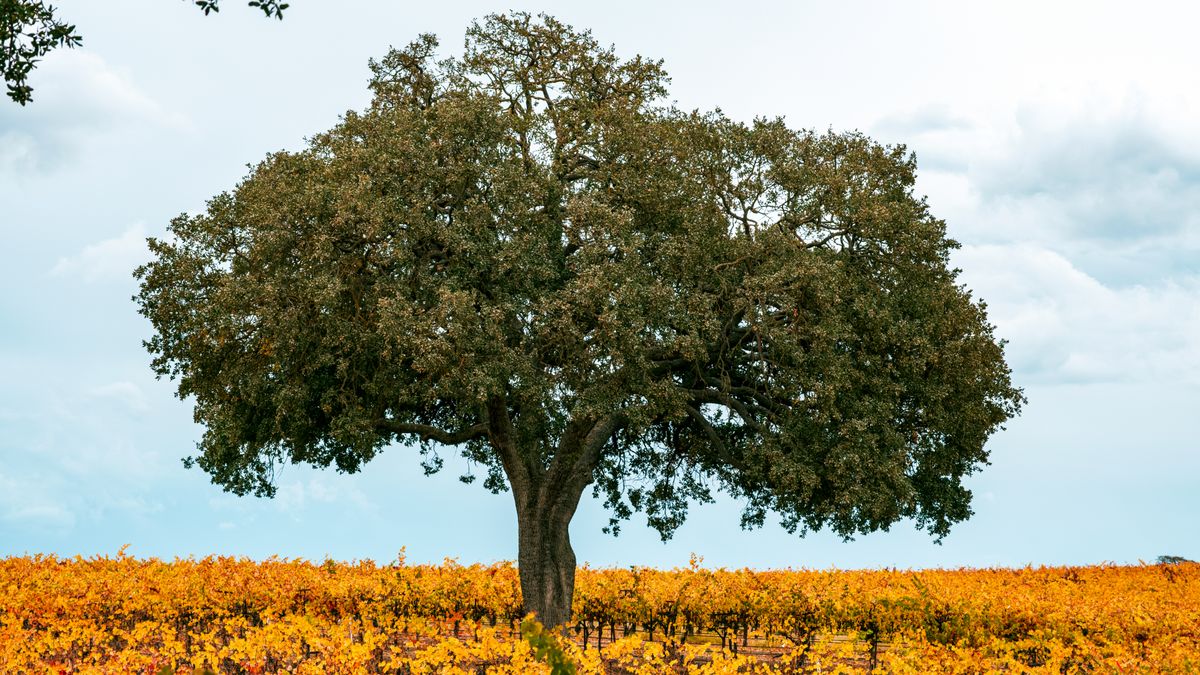
The city's rules cover its own street trees, designated heritage trees, and trees in certain protected categories, with native oaks getting particular attention because of how closely their root zones sit to development. Development projects have their own tree-preservation requirements. The practical upshot for an owner is that the tree in the front parkway is very likely not theirs to remove, and the big oak behind the house may need approval even if it is completely on private land.
What usually does not need one
Dead trees, dying trees and genuinely hazardous trees are handled differently, because the city's interest in a hazard is getting it down safely rather than keeping it standing. Emergency work after a storm generally proceeds first and is documented afterwards. The distinction between a dead tree and one somebody would prefer gone is exactly the line an arborist is asked to draw, and it is drawn in writing.
The report that moves a permit
Most applications want the same things: a tree survey with species and size, a condition assessment, a statement of the reason, photographs, and a replanting proposal where removal is approved. Where the tree is claimed to be hazardous or dying, the evidence has to be specific — a defect photographed and named, not an opinion that it looks old.
We prepare that documentation, and we are used to writing it for a committee's reading rather than for a crew's. See arborist report for the equivalent document in a transaction.
Timeline, and how to shorten it
Approvals take weeks rather than days, and a project schedule that assumes otherwise is a schedule that slips. The two ways to shorten it are to start early and to arrive with the survey already done, because the requirement for more information is what costs the most time. If the tree is a street tree, the enquiry goes to the city's own arborist and the work is generally done by the city rather than by a private crew.
Coastal, county and creek rules
Outside the city limits the rules change. Cayucos and the unincorporated land sit under county ordinances; parcels near a creek or in the coastal zone can bring an extra layer; and heritage tree protections are not uniform across the county. If your parcel is at an edge — a city parcel backing onto county land, a creek within a hundred feet — it is worth checking which jurisdiction actually governs before filing anything.
Ask before you book
Tell us the address, the species and what you want to do. Call (805) 927-4414 or use the contact page, and see our services for the physical work once permission is in hand.
Questions, quotes, or just exploring — we’re here to help.