

A Two-Hundred-Year-Old Neighbour
Oak Tree Preservation in San Luis Obispo
San Luis Obispo — this is the coast these pages are about.
Quick answer: Oak Tree Preservation in San Luis Obispo — Most tree trouble on the Central Coast is identified before it is treated: a borer, a canker and a drought-stressed root system can look the same from the ground, and each has a different answer. Diagnosis is the first cut — host, sign and season — and the least-toxic control that fits comes after it.
- Typical timing: Monitoring from bud break; fungal problems follow the wet spring, borers the dry summer and the stressed tree.
- What it involves: Identifying the host and the organism, judging whether the tree can compartmentalise the damage, and removing what cannot be saved.
- The standard: UC IPM pest notes and the ISA standard for hazard assessment.
- Where we work: Cambria and the coastal oak, pine and cypress stands around it.
- Our own record: 503 pages and 291 stories published on this site. Counted from our own archive, not a stock table.
Field note. What we see on this coast is that the tree under fog is often the healthier one and the tree on a hot exposed edge is the one that gets hit — stress is the invitation, and the coast hides it well.
On the other hand, treatment is not always the kindest answer: for a hazard tree with internal decay, careful removal protects the neighbours, and replanting does more for the site than a season of injections.
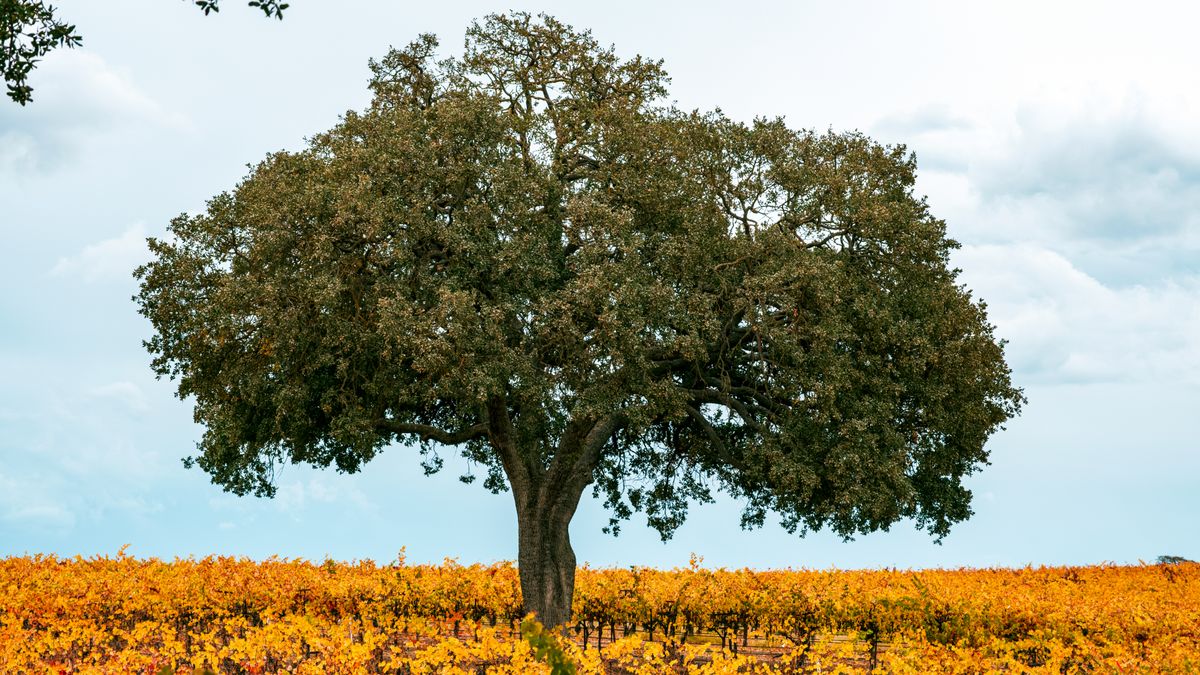
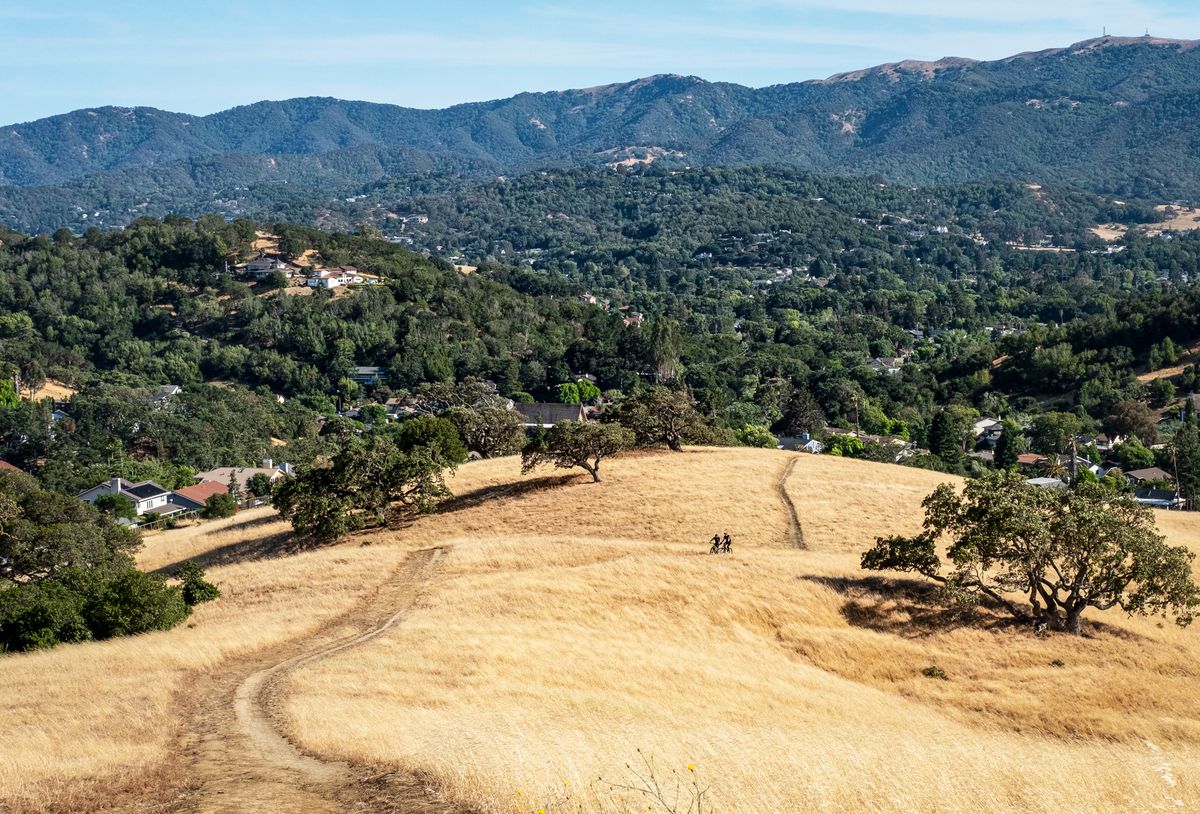
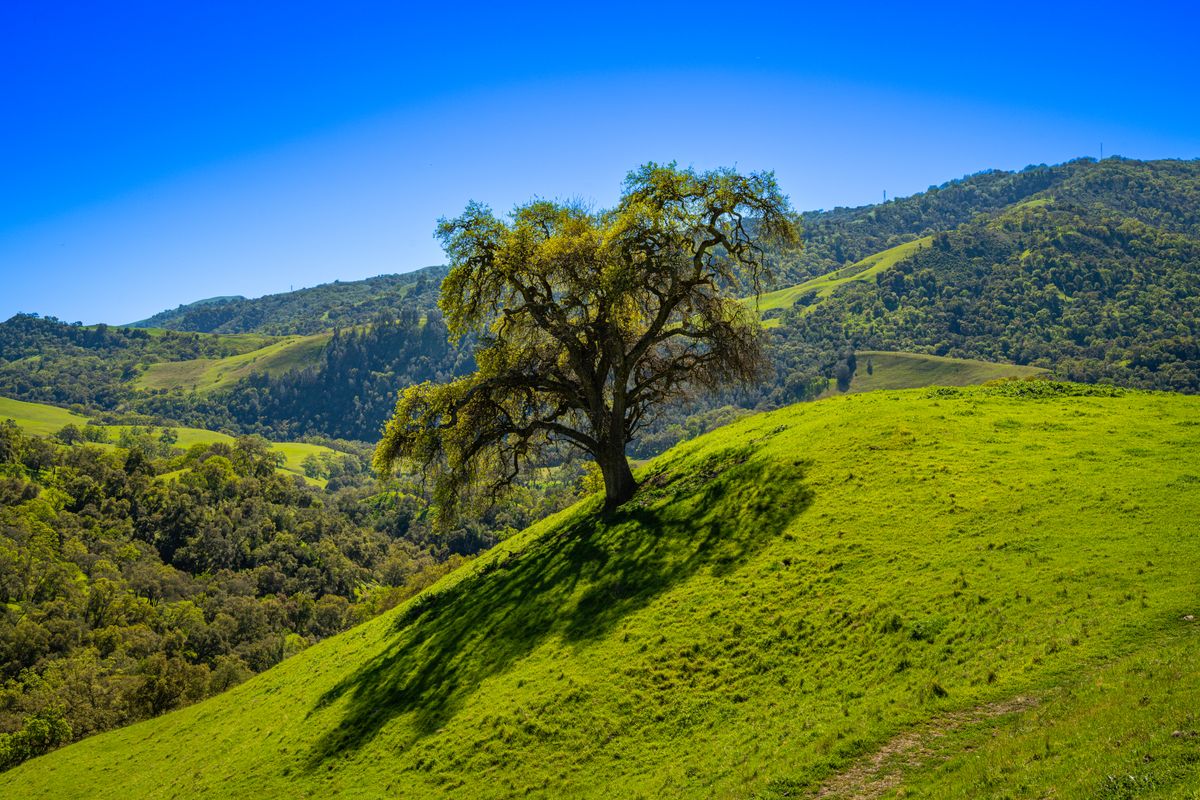
The coast live oaks around San Luis Obispo are older than the city, and many of them are older than the houses that were built around them. That is the whole difficulty: an oak that has stood on a hillside for two hundred years now has a driveway, a lawn, an irrigation system and a patio inside the root zone it grew into.
Oak tree preservation san luis obispo is mostly a matter of undoing the damage the development did, and then stopping.
Where the roots actually are
The mistake is assuming the roots stop at the drip line. A coast live oak's root system typically extends well beyond the canopy — commonly a good deal further — and the fine feeding roots that keep it alive live close to the surface, in the top foot of soil, where the compaction and the grade changes and the irrigation also happen. That is why a tree can be destroyed by work that never went near the trunk.
The four things that kill urban oaks
Summer water. This is the big one, and the least intuitive. Coast live oaks evolved with summer drought and a wet summer soil encourages the root pathogens they have no defence against. Putting lawn irrigation or a drip line into an oak's root zone is the most common way a healthy oak starts to die on this coast, and it takes years for the symptoms to show.
Fill and grade change. Adding even a few inches of soil over a root zone cuts off the oxygen and the water the surface roots need. Building a raised bed or a pad around an oak is the same injury as burying it.
Compaction. Parking, storage, materials on the ground, foot traffic during construction — all press the air out of the soil.
Pruning at the wrong time. Cutting a live oak in the wet season exposes fresh wounds during the period when the pathogens spread, and the oak diseases in this county are spread by rain and by the beetles that follow it.
What protecting one looks like
It is mostly subtraction. Take the irrigation out of the root zone, or convert it to deep and infrequent at the edge of the canopy at most. Remove the extra soil from a buried flare. Fence the root zone during any work on the property and keep the vehicles out. Mulch wide and shallow, never against the trunk. Prune in the dry season, and only what the tree needs.
Where the soil has been compacted, air spading and radial trenching can begin to restore it — slowly, and with a limit to how much a mature oak will come back from. See soil & root-zone remediation.
The rules that protect them
The city's ordinance gives the larger oaks real protection, and the public conversation about oak removal in San Luis Obispo is not friendly to losing one for convenience. Where a tree is genuinely hazardous or genuinely dying, the documented path is what gets a removal approved. See permits & tree ordinances.
Protect what you have
Call (805) 927-4414, use the contact page, or see our services.
Questions, quotes, or just exploring — we’re here to help.