

Answering the Letter Line by Line
Insurance Compliance Clearance
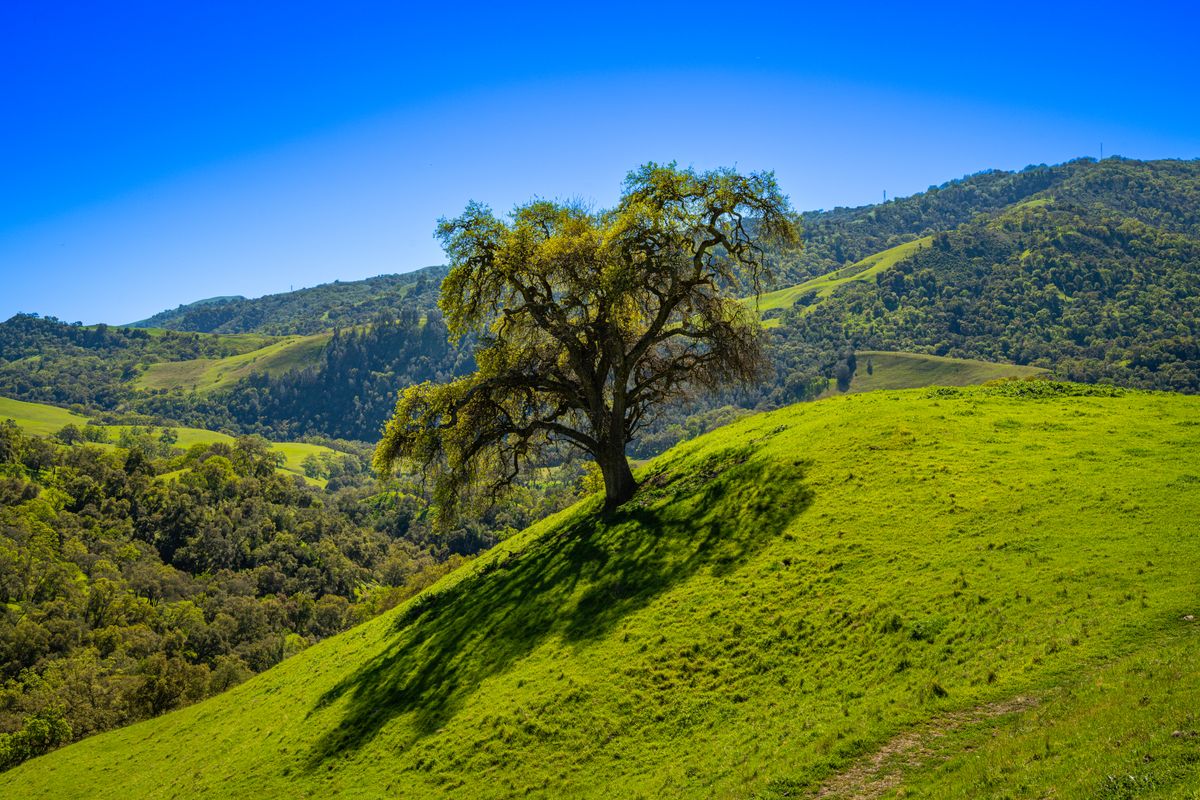
San Luis Obispo — this is the coast these pages are about.
Quick answer: Insurance Compliance Clearance — Defensible space is the work that decides what a fire has to burn between the wildland and the house: dead material out, ladder fuels separated, and the tree you keep limbed up rather than removed. It is measured in zones from the structure, and the first few feet are the ones that matter most.
- Typical timing: Best done in the cool months so the debris is gone before the dry season; clearance rules apply year-round.
- What it involves: Removing dead and dying material, separating shrubs from low limbs, limbing trees near structures, and keeping the roof and gutters clear.
- The standard: Cal Fire's defensible-space guidance for the first 100 feet, applied to the trees a property actually has.
- Where we work: The wooded parts of Cambria, San Simeon, Harmony and the surrounding ranch country.
- Our own record: 503 pages and 291 stories published on this site. Counted from our own archive, not a stock table.
Field note. What we see on this coast that surprises people is how much of the fuel load is low: the limb at four feet and the brush beneath it carries fire into a canopy that would otherwise survive, so the work is often lifting rather than felling.
On the other hand, over-clearing has its own cost — bare ground erodes, and the wind that comes with the fog belt is harder on a thinned stand than the fire risk it removes.
An insurance inspector's letter about trees in San Luis Obispo arrives with a deadline attached, and it is rarely as specific as the homeowner hopes: it names a condition, sometimes a species, and it leaves the standard unstated. Since carriers in this county have tightened requirements around wildland-adjacent properties in particular, the practical problem is turning that letter into work that satisfies an underwriter who will only see photographs and a report. Reading it correctly is most of the job.
What these letters actually ask for
Four things, in various combinations: clearance between vegetation and the structure, removal of dead wood over the roof and the driveway, pruning of limbs overhanging the building, and defensible space in the zone around the house where the property meets the hills. Occasionally the letter asks for a specific tree to be removed or assessed. Often it asks for a condition — "overhanging branches" or "combustible material" — and expects the owner to work out what that means.
Matching the work to the requirement
The right approach is to treat the letter as a scope document and answer each line explicitly. Overhanging limbs get cleared to a defined distance; dead wood comes out of the canopy over the structure; the ladder fuels and the fine fuel in the immediate zone get handled; the wood pile moves. Then the file records which requirement each action answered, because a compliant property that cannot demonstrate its compliance is still at risk at renewal.
Photographs, a report, or an arborist letter
The evidence that closes a file depends on what was asked for. Photographs taken from the same angle before and after, with something in frame for scale, answer most conditions. Where the letter questions the health or the risk of a tree, or asks whether a condition has been addressed, a short written opinion from an arborist carries the weight that photographs cannot, and is worth commissioning before the deadline rather than after.
The timeline is the pressure
These letters come with a renewal date. Tree work in this valley is weather-dependent, the oaks have their own pruning window, and access equipment has to be booked. Working backwards from the date is the only way to avoid the week where everything must happen at once — or the worse outcome where the work is done badly because it was rushed.
Distinct from a claim and from a zones inspection
This is not an insurance claim, which is about a loss that has already happened, and it is not the defensible-space survey, though the two overlap. This is specifically the work that answers a letter.
Send us the letter
Photograph it or scan it, note the deadline, and we will scope the work to the requirement. Call (805) 927-4414 or use the contact page.
Questions, quotes, or just exploring — we’re here to help.