

From Complaint List to Budget Line
Tree Inventory & Management Plan
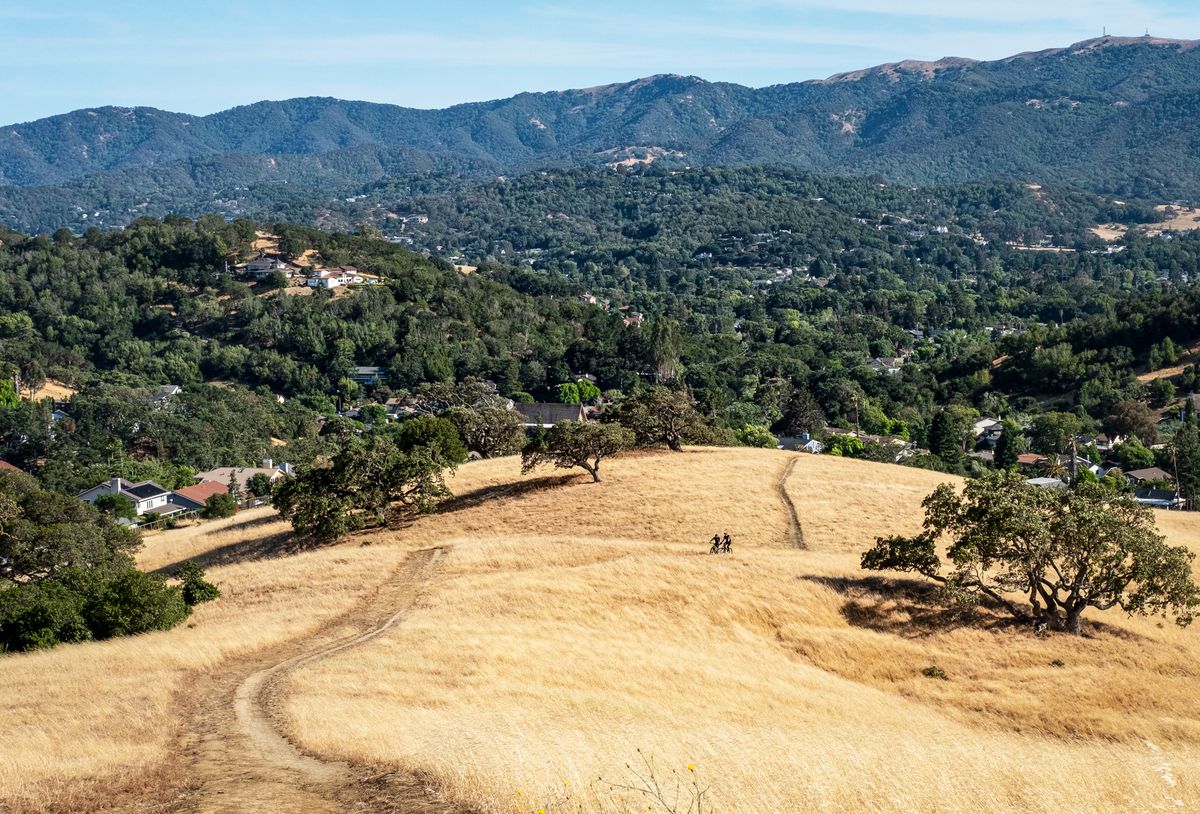
San Luis Obispo — this is the coast these pages are about.
Quick answer: Tree Inventory & Management Plan — Tree work is priced from the tree and the site rather than from a rate card: access, height, lean, what is under it, how the wood comes down, how far it has to travel and what happens to the stump all move the number. That is why a written quote names the work line by line instead of quoting one figure over the phone.
- What it involves: A site visit, a described plan, disposal and stump handling named separately, and a written figure that matches the plan.
- What changes it: Access and rigging, proximity to structures or wires, tree condition and lean, and how much material leaves the site.
- The standard: ISA and TCIA guidance on what a qualified, insured removal actually requires.
- Where we work: Cambria and the surrounding North Coast communities.
- Our own record: 503 pages and 291 stories published on this site. Counted from our own archive, not a stock table.
Field note. What we see is that the quotes people worry about are rarely the expensive ones: the job that costs the most is the one re-done, and a plan that protects the driveway, the fence and the roof is cheaper than the repair.
On the other hand, the cheapest quote is not automatically the worst value — the honest comparison is what each one includes, and a figure with no line items is the one that changes later.
A tree inventory is the document that turns a San Luis Obispo property from a list of problems into a budget, and its value is easiest to see in what it prevents: the emergency call on a Friday evening, the limb that came down over a parking space, the board question about why nobody knew the oak by the entrance had been declining for three years.
On a campus, a retail centre or a large association in this city, the trees are a genuine asset with a replacement cost, and an inventory is how an asset gets managed instead of reacted to.
What goes in the record
Every tree gets an identifier — a tag, a number on a map, or a GPS point — and then the fields that make it useful to somebody who is not an arborist: species, trunk diameter, height and canopy spread, condition, a risk rating, the defect noted, the work recommended, the priority, and a photo where the defect is the point.
Trees that are protected under the city's own ordinance, or that sit on a heritage list, are flagged so nobody discovers the constraint mid-project.
The output a manager can actually use
The deliverable is not a PDF. It is a spreadsheet or a mapped layer that can be sorted by priority and filtered by year, so the maintenance plan writes itself: this season the high-risk removals and the clearance work, next year the structural pruning cycle, the year after the removals deferred with a note. That is what converts a lump of work into a line item in a reserve study.
Risk rating, and what it does not claim
A risk rating is a structured judgement about the likelihood of failure and the consequences of it, and it is honest about being a judgement. It is not a guarantee that a tree will not fail, and a report that implied otherwise would be worthless in the file. What the rating does is rank the property's trees against each other so the money goes where the exposure is, which is the only decision a manager has to make.
Building the plan around the site
The realistic constraints here are access and parking. A campus has term breaks, a retail property has trading hours, a residential association has residents who need their stalls. Inspections are scheduled around those windows and the inventory records the access notes, so the next contractor does not have to rediscover them.
Keeping it alive
An inventory is a living document: work completed gets recorded, new plantings get added, storm damage gets logged. Re-inspected on a cycle, it becomes the historical record that answers a claim and the trend line that shows a canopy improving rather than merely being cut.
Commission an inventory
Tell us the property, the number of trees and what decisions are waiting on this. Call (805) 927-4414 or use the contact page and we will scope the survey and the deliverables.
Questions, quotes, or just exploring — we’re here to help.