


Getting the View Back
View Clearing & Restoration in Morro Bay, CA
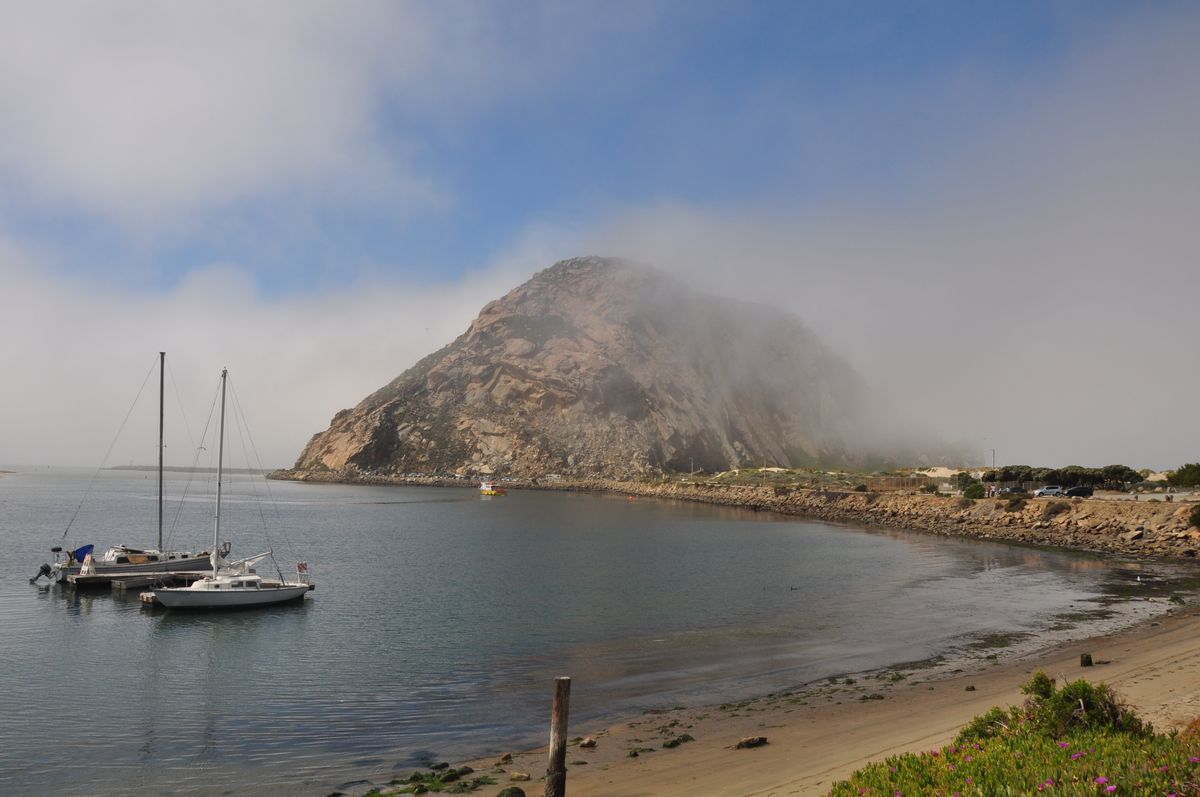
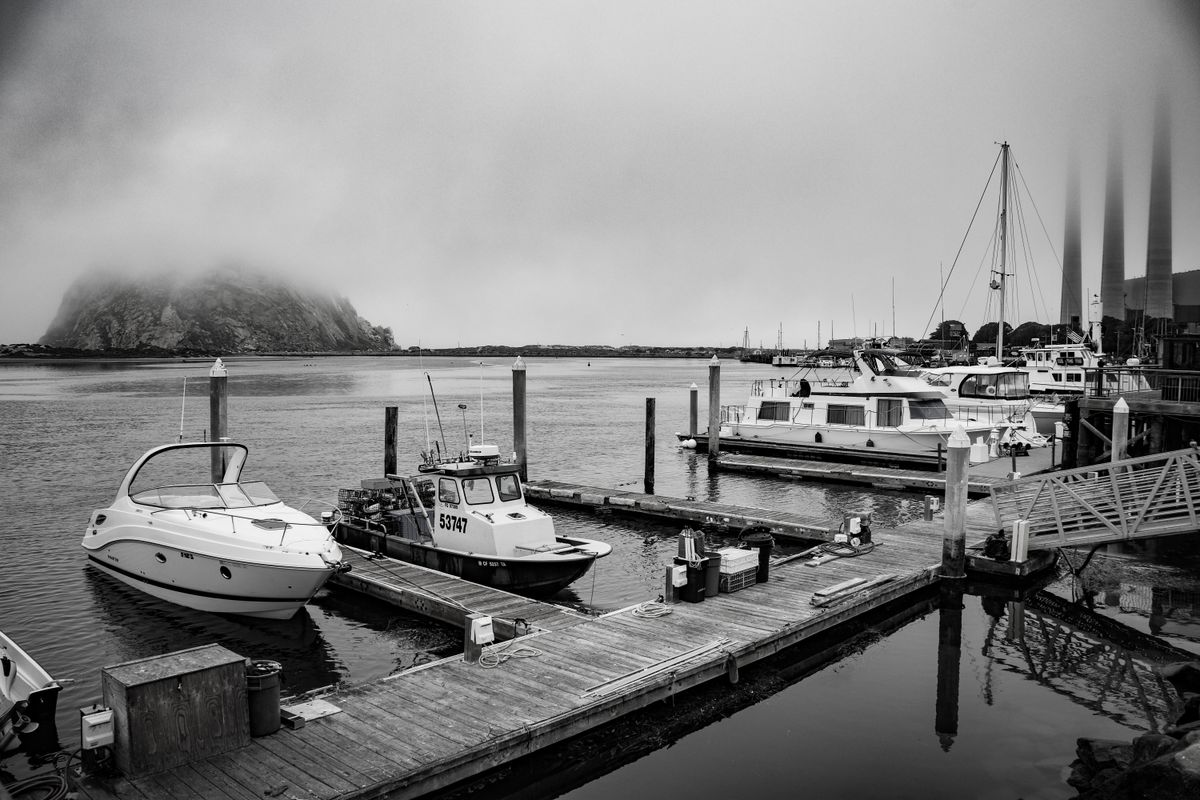
Morro Bay — this is the coast these pages are about.
Quick answer: View Clearing & Restoration in Morro Bay, CA — Trees on this coast live with fog, salt, wind and thin soil, and the work that keeps them healthy is decided by those conditions rather than by a calendar written inland. Structure, clearance and the root zone are what a tree here needs looked at, and small work done early is what keeps a tree out of the emergency list.
- What it involves: Structural pruning, clearance from structures and wires, deadwood removal, root-zone care and hazard assessment.
- Typical timing: Structural work in the dormant months; deadwood, clearance and hazard work whenever the tree needs it.
- The standard: The ISA standards for pruning and tree risk assessment, applied by ISA-certified arborists.
- Where we work: Cambria, San Simeon, Harmony, Cayucos, Morro Bay, Los Osos and the Cambria pine belt.
- Our own record: 503 pages and 291 stories published on this site. Counted from our own archive, not a stock table.
Field note. What we see on this coast is that the trees people worry about are usually not the ones in trouble: the pine with a clean crown and a lean that predates the house is often sounder than the tidy tree that has been quietly drowning in its own root zone.
On the other hand, there is no schedule that suits every tree — the same species on two sides of one street can need opposite care, which is why we look before we recommend.
Somewhere on almost every hillside street above the Embarcadero there is a house whose view of the Rock has been quietly eaten by trees — its own, or the neighbour's, or a line of them along a lot boundary that nobody planted on purpose. View clearing is the work of getting that sightline back.
It is not a licence to cut a tree to a pole, and on lots this close together the difference between a restored view and a boundary dispute usually comes down to which branches were chosen.
The cut that opens a sightline
A view opens when the material standing in the corridor comes out, and that is usually a selective job rather than a structural one:
- Windowing — taking specific limbs out of a crown to open a gap, rather than reducing the whole tree. The tree keeps its shape and the gap is what the viewer looks through.
- Selective reduction of what stands in the corridor — lowering the offending side of a canopy back to a living lateral, so it stops blocking without losing its form.
- Raising the underside — often the cheapest gain, because the view under a canopy is frequently the part that was blocked.
- Removing genuine volunteers — the self-sown myoporum and eucalyptus saplings that came up in a boundary strip and are not a tree anyone chose.
Topping is the answer that fails twice
Cutting a tree down to a height that clears the view produces a stump with a ring of fast, weakly attached shoots, and within a few seasons a denser screen than the one that was there at the start — plus a canopy that is now structurally poor and a much larger future removal.
It is also, on protected trees, the thing the town's rules exist to prevent. The sightline that survives is the one opened by removing selected branches and leaving the tree a tree.
Whose tree is it
On these narrow lots a view is usually blocked by a tree that is not yours, and this is where the job gets careful. A tree is generally the property of whoever owns the land it grows on — not the neighbour whose view it blocks, and, more surprisingly to some, not always the neighbour whose side the branches overhang.
Where limbs cross a boundary, the right to cut back to the line is a different thing from a right to decide the tree's future. That is a conversation to have plainly before any saw is taken to a shared boundary, and where the tree is protected by the city's rules or is inside the coastal review area, the answer may be that pruning is permitted while removal is not.
Where the dispute needs a document rather than an opinion, a written arborist report is what a realtor, an insurer or a lawyer will read.
It grows back, and that is manageable
A view restored this year is a view that will narrow again as the branches fill in — usually within four to eight years on the fast coastal growers. That is not a fault in the work; it is the nature of a living screen. Planning it as a cycle, with a lighter pass every few years rather than a heavy one a decade apart, keeps the trees healthier and the view steadier.
Where ground has been cleared for the sightline, note that exposed ground on a slope wants cover before winter, which is a job in its own right — see revegetation and erosion control.
Have the sightline looked at
A photograph taken from the spot you watch the view from tells us most of what we need. Call (805) 927-4414 or use the contact page, and see our services for the pruning programme behind it.
Questions, quotes, or just exploring — we’re here to help.