



Tree Trimming & Pruning in Morro Bay, CA
Tree Trimming & Pruning in Morro Bay, CA
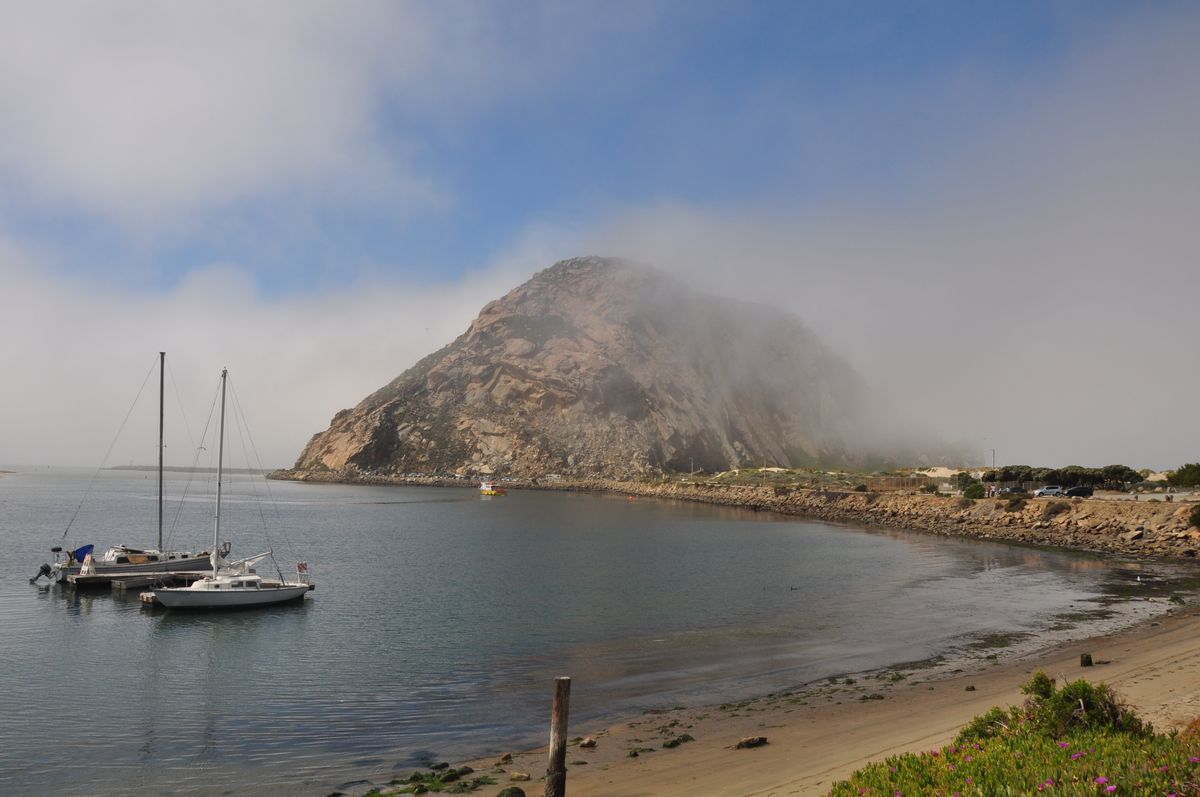
Morro Bay — this is the coast these pages are about.
Quick answer: Tree Trimming & Pruning in Morro Bay, CA — Pruning is a plan before it is a cut: deadwood and broken limbs first, then clearance from roofs, wires and paths, then the structure the tree will carry for the next decade. The right cut heals and the wrong one invites decay, which is why the order matters more than the number of cuts.
- Typical timing: Structural work in the dormant months, light clearance and deadwood any time the tree is not under stress.
- What it involves: Removing dead and crossing limbs, thinning to let light through, lifting low limbs for clearance, and never topping a tree.
- The standard: The ANSI A300 pruning standard as applied by ISA-certified arborists — including the three-cut method on every limb worth saving.
- Where we work: Cambria, San Simeon, Cayucos, Morro Bay, Los Osos and the towns between.
- Our own record: 503 pages and 291 stories published on this site. Counted from our own archive, not a stock table.
Field note. What we see on this coast is a pruning calendar that does not match the inland one: salt air, fog and wind mean a cut that would be minor in the valley can be the one that opens a crown to decay here, so we look at the species and the exposure before the season.
On the other hand, not every tree wants to be pruned: leaving a healthy canopy alone is a decision that pays, and a tree with plenty of space is often better served by doing nothing.
Every tree on this side of the estuary is already being pruned. The wind does it — shearing the windward crown, snapping the weak forks, thinning the interior until the only foliage left is a shell out at the tips. A pruning job that ignores that is a second, blunter version of the same treatment.
What we do on a hill here is closer to reading the wind's work and finishing it deliberately: taking the deadwood out, reducing the sail area where the tree has grown long and lever-like, and leaving enough interior growth that the tree can still feed the wood it is holding up.
Where the cuts go, and why
Three jobs, in order of how much they change the tree. Deadwood and hangers first — everything that has already lost its connection, which on this coast includes last winter's breakage still sitting in the crown. Then clearance — a real distance over the roof, the gutter, the service drop, the driveway and the sidewalk, cut to a specification rather than to taste.
Then structure: reducing a lead that has grown too long for its attachment, subordinating a codominant stem that is squeezing its twin, and thinning the crown just enough that the wind passes through instead of loading it as a solid sail. Thinning past that point is the classic mistake in a windy town. A crown that has been hollowed out into lion tails carries fewer branches and more sail per branch, and it is the first thing to break.
The local calendar
Most of the work wants to happen in the dormant-to-early-spring window, while the ground is still workable and the trees are not spending energy on growth. There is an exception that matters commercially: anything over a structure, a walkway or a driveway gets assessed on its own schedule, because a branch that fails in February is not a seasonal question.
Palms are their own job with their own timing and their own safety rules — no spikes on a palm that is being kept, and no climbing a dead palm. And where trimming is being done for fire clearance on a hillside lot, the summer dry season sets a hard boundary: cutting in the heat means sparks, which means we either work early in the day or defer it, and we say which before the crew arrives.
What a Morro Bay tree usually needs over its life
A cypress or pine planted on a graded hill lot wants to be looked at every two to three years, not every ten. By the time a crown has been neglected that long, the corrective work has stopped being pruning and become removal, because the only way to reduce the hazard of a six-metre lead with a decade of end weight on it is to take the lead.
An oak in the fog belt is a slower story: less end weight growth, more concern about soil compaction and grade changes around the roots, and a strong preference for cuts that are as small as the job allows. Neither tree is improved by being topped, and a topped pine on this coast is a decay column with a new hat on it.
One practical note about the wind, since it decides the day: the northwesterly here is reliable enough to plan around. Technical cuts go in the morning or the calm window, and the crew stops when it starts to gust, which can look like fussiness until you have watched a hinge open in a gust.
Field note — Margot Thackeray prunes for the tree's next twenty years rather than this season's view: the smallest cut that buys the most structure, made at the right moment in the year.
Questions, quotes, or just exploring — we’re here to help.