

After the Wind Stops
Storm Damage Cleanup in Morro Bay, CA
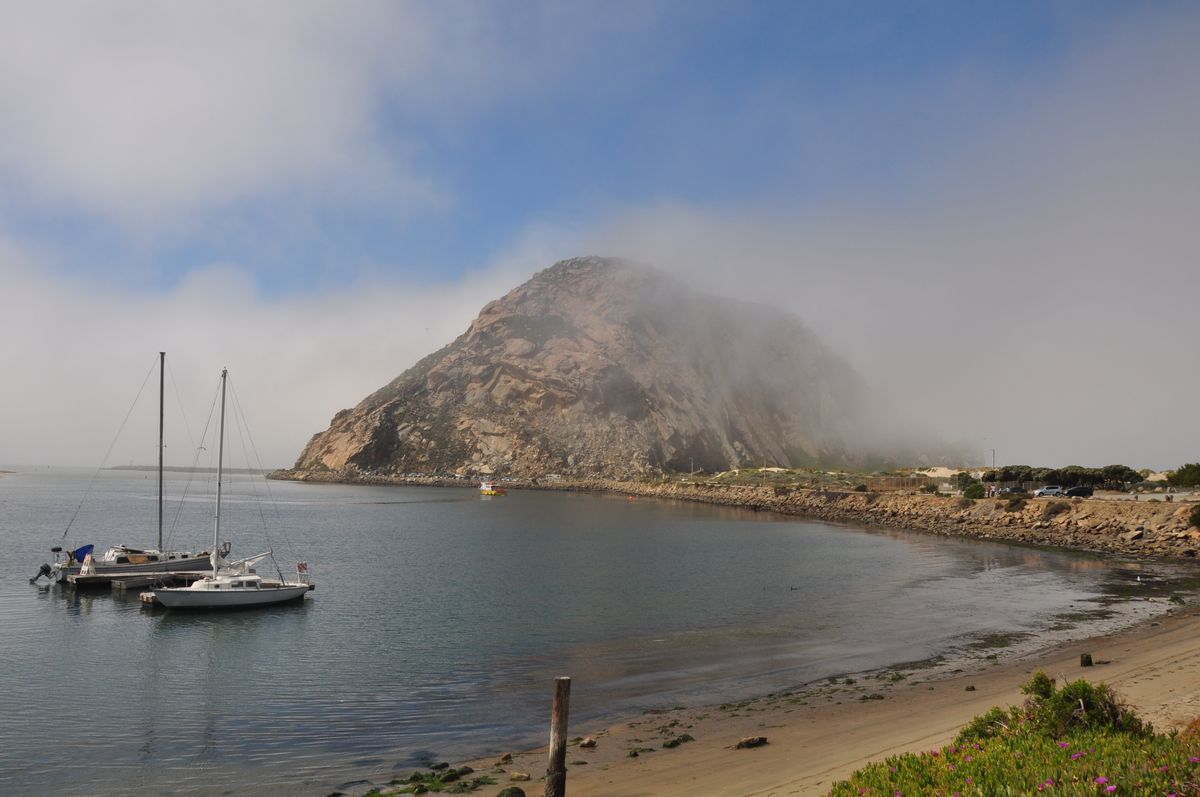
Morro Bay — this is the coast these pages are about.
Quick answer: Storm Damage Cleanup in Morro Bay, CA — Removing a tree is planning before it is cutting: where the wood lands, what is under it, whether a rope or a crane takes the weight, and what is left when the crew drives away. A removal is finished when the drop zone is clear and the stump is dealt with, not when the trunk hits the ground.
- Typical timing: When the tree is a hazard, the schedule is immediate — storm damage, split leaders and leaners do not wait for good weather.
- What it involves: A written plan for the drop zone, rigging or crane work over structures, protecting driveways and roofs, and deciding the stump’s fate in advance.
- The standard: The ANSI Z133 safety standard for arboricultural operations, and ISA best practice for removals near structures.
- Where we work: Small town lots, coastal acreage and the narrow properties of the Cambria pine belt.
- Our own record: 503 pages and 291 stories published on this site. Counted from our own archive, not a stock table.
Field note. What we see here is that access decides the price more than height does: a pine over a fence on a slope with no driveway costs more to take down safely than a taller tree with a clear drop, and the plan is where that shows up.
On the other hand, removal is not the only safe answer — a tree with one failing limb, or a lean that can be corrected by reduction, is often better kept and managed than gone.
The morning after a winter gale comes through Morro Bay, the 911 calls are about the tree on the car and the line across the driveway. The rest of the work — the split fork still hanging over the shed, the limb lying in the neighbour's yard, the pile of broken cypress blocking the side gate — is what storm damage cleanup actually is, and it starts the moment the emergency is over rather than the moment the wind stops.
Triage first, tidying last
Cleanup is not one job. It is a sequence, and doing it out of order is how a second injury happens:
- Make the site safe. Anything touching or near a conductor is treated as live and left completely alone until the utility has been out. Broken limbs still attached high in the tree are the next priority, because they come down on their own schedule.
- Separate the tree work from the clearing. The hanging limb has to come out before anyone starts hauling the pieces that are already on the ground, or the crew is working underneath a hazard.
- Then clear and haul. Cut down to manageable lengths, chipped where the material allows, and the rest off the property.
What is documented, and why it matters later
The photographs taken in the first day are the ones an insurer will want, and after the cleanup starts they are gone. Before anything is moved we photograph the tree in place, the failure itself — the split fork, the uprooted plate, the break — the damage to the fence, the roof or the vehicle, and the same scene from a distance that shows how the tree related to what it hit.
Measurements come next: diameter at the break, where the limb landed, what it landed on. A carrier's question is nearly always whether the tree failed on its own or was a known problem left alone, and only evidence answers that.
The coastal pattern
Storms here arrive with saturated ground and long-duration wind rather than a short squall, which is why Morro Bay sees more uprooting than snapping.
The marine terrace holds water in winter, the sandy lots at the south end of town drain faster but hold a root plate more loosely, and a cypress that has grown for decades on a narrow lot has often had its rooting area cut back by paving, a sewer run or a retaining wall on the way.
When the wind comes from the bay side, the trees that go first are the ones whose root plate was already smaller than the canopy it was holding.
What tends to be covered, and what does not
Broadly, a carrier responds to the damage the tree caused to a structure, and the removal of the part of the tree that is still threatening one. Clearing healthy trees that merely came down is usually a maintenance cost rather than a claim.
There is no way to say in advance which side a particular policy falls on, and the honest thing is to document everything, keep the receipts, and let the adjuster read it — which is where a written opinion helps. Where the failure is disputed, an arborist report or a formal risk assessment gives the file something better than a photo.
Clearing the rest of the property
Once the tree work is done, what is left is a volume problem: brush, split trunk sections and a yard that cannot be used. Chipping on site and hauling the rest is usually the fastest route, and where the material is clean it can stay on the parcel as mulch instead of travelling to a green-waste site.
If the storm came through your street and not just your lot, tell us — the crew that is already on the block is cheaper than the one that has to come back.
After the wind
Call (805) 927-4414 or use the contact page and describe what has come down and what is still standing over something. If a line is involved, call the utility first. For the work we do the rest of the year, see our services.
Questions, quotes, or just exploring — we’re here to help.