

Emergency Tree Service in Morro Bay, CA
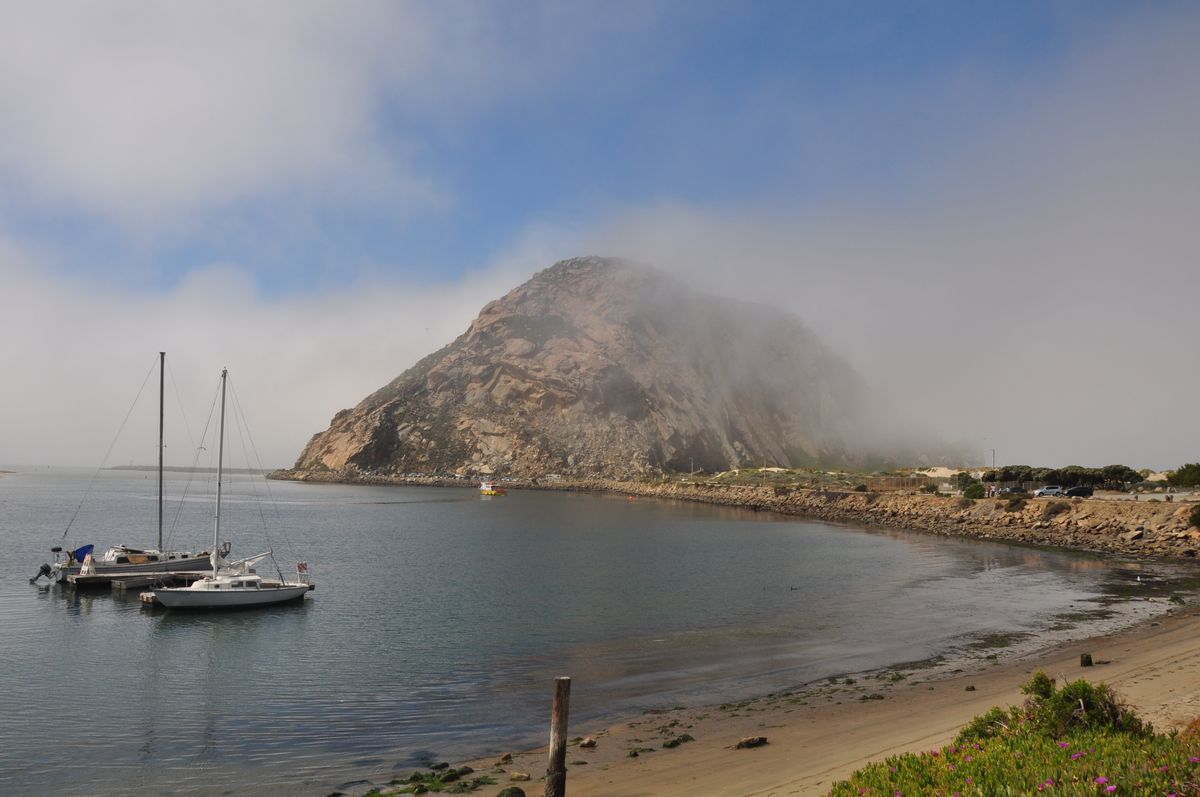
Morro Bay — this is the coast these pages are about.
Quick answer: Emergency Tree Service in Morro Bay, CA — Removing a tree is planning before it is cutting: where the wood lands, what is under it, whether a rope or a crane takes the weight, and what is left when the crew drives away. A removal is finished when the drop zone is clear and the stump is dealt with, not when the trunk hits the ground.
- Typical timing: When the tree is a hazard, the schedule is immediate — storm damage, split leaders and leaners do not wait for good weather.
- What it involves: A written plan for the drop zone, rigging or crane work over structures, protecting driveways and roofs, and deciding the stump’s fate in advance.
- The standard: The ANSI Z133 safety standard for arboricultural operations, and ISA best practice for removals near structures.
- Where we work: Small town lots, coastal acreage and the narrow properties of the Cambria pine belt.
- Our own record: 503 pages and 291 stories published on this site. Counted from our own archive, not a stock table.
Field note. What we see here is that access decides the price more than height does: a pine over a fence on a slope with no driveway costs more to take down safely than a taller tree with a clear drop, and the plan is where that shows up.
On the other hand, removal is not the only safe answer — a tree with one failing limb, or a lean that can be corrected by reduction, is often better kept and managed than gone.
When a tree comes down in Morro Bay it usually comes down in the worst available place: across the only driveway to a rental, through the fence between two narrow lots, onto the car that was parked where the parking is, or into the wires on the pole.
The first twenty minutes of that situation decide more than the rest of the week, and the single most useful thing anyone can do is not touch anything under tension and not go near a conductor. Everything else can wait for daylight; lines and loaded wood cannot.
The order that keeps people alive
One: people. Get everyone out of the drop zone — which is not where the tree is, it is everything the tree can still reach, including diagonally and including the second branch that is only held up by the first. Two: services. If a conductor is down, or a limb is resting on one, that is a utility call, not a tree call: nobody but the utility touches it, and a tree crew that offers to work around a live line is telling you something about itself.
Smell gas, or see a broken service riser, and the same logic applies. Three: make safe, in the direction the tree is already going. Anything visibly failing over a bedroom, a car or a walkway gets stabilised or removed, on the side it wants to move. Four: documentation, before the wood is cut and stacked: photographs of the failure, the tree as it lies, the plate at the base, the damaged property, and the fence or car in place.
Adjusters work from pictures far more than from descriptions, and the photographs cost nothing on the night and everything later.
What we do on arrival, and what we refuse to rush
We walk in with a head lamp and a plan: what is still loaded, what is holding what, where the two escape routes are, and whether this is a job for a saw and two people or a crane on a street with no shoulder. Harbor-side and hill streets have limited access and no room to leave a truck in the way, so the plan includes where the equipment sits as much as where the cut is made.
And we will stop work rather than hurry a fallen tree that is pinned under tension — a sprung limb with a chainsaw in it is the most common way people get badly hurt in this trade, and the tree is not going anywhere.
The paperwork side, later
Once the site is safe, the claim starts. We photograph and measure, keep the cut sections identifiable if the cause matters (a beetle-killed pine, a root plate that failed in saturated ground, a limb that broke at an old topping wound), and write up what we found in plain language for whoever asks — your insurer, the property manager, or the city if the tree came out of the public right of way.
If a vehicle or a structure was hit, that record is the difference between a straightforward claim and a negotiation about what "the tree was rotten" actually meant.
One piece of local advice worth more than any tip on this page: after a storm sequence, call for the make-safe and book the cleanup separately. Crews triage; the trees hanging over a bedroom go first, and a pile of cut wood in the back garden is not an emergency, however much it looks like one.
Field note — Clara Young has spent her career arriving second, after the police tape: the protocol is boring because it was written by the people who had to attend the other outcome.
Questions, quotes, or just exploring — we’re here to help.