

Watering Below the Fog Line
Deep Watering & Drought Care in Morro Bay, CA
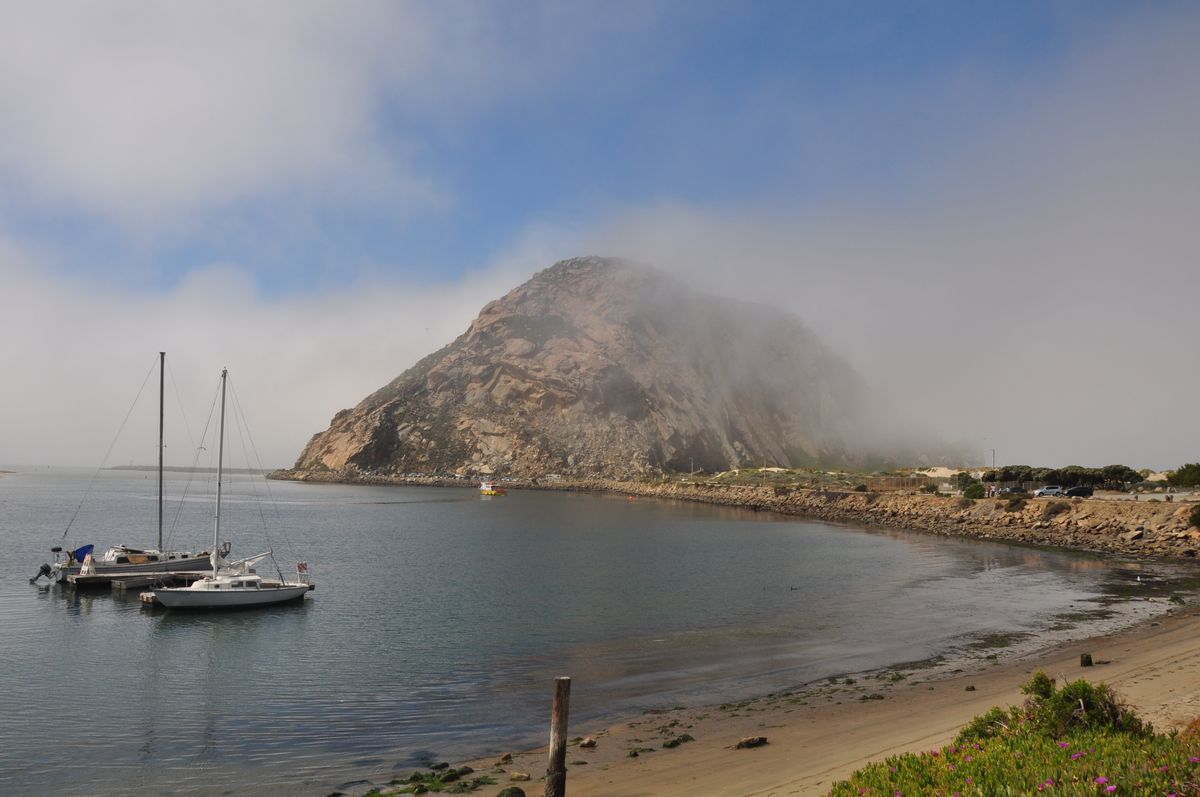
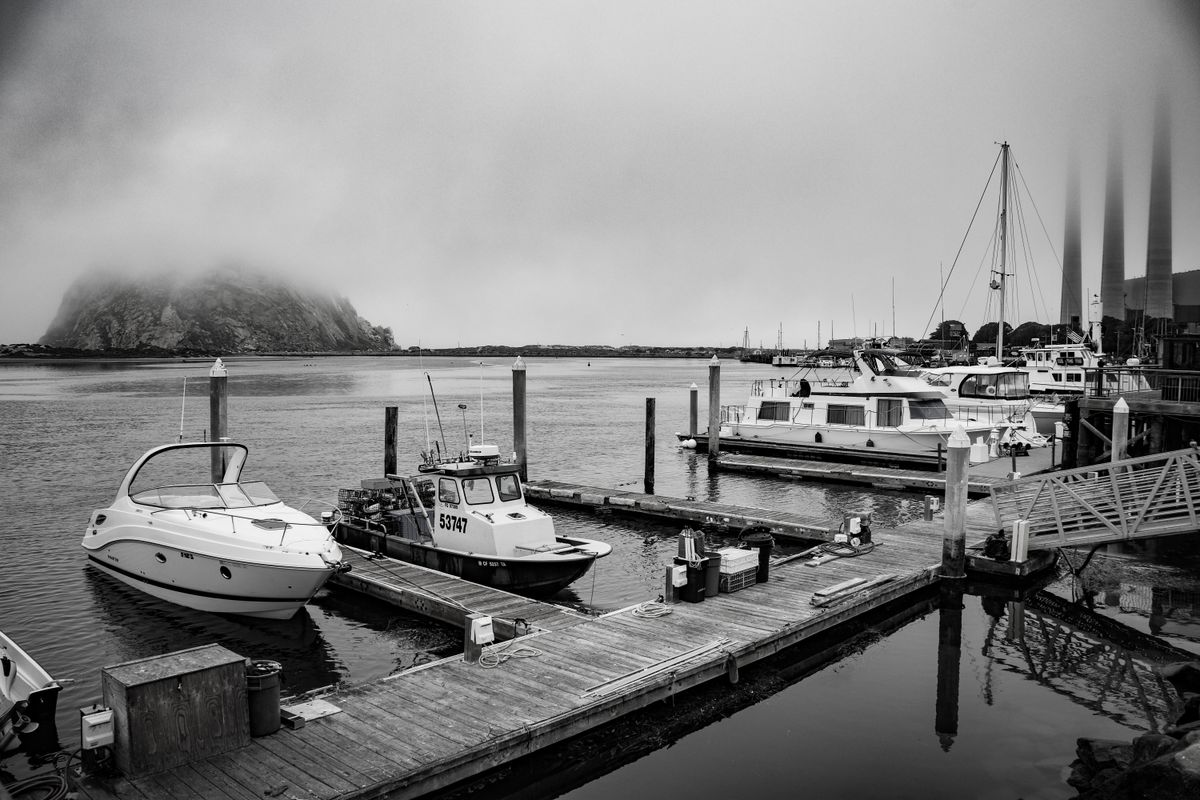
Morro Bay — this is the coast these pages are about.
Quick answer: Deep Watering & Drought Care in Morro Bay, CA — Trees are watered at the root zone, deeply and infrequently — a long soak that reaches down, then a dry spell that lets roots look for water, rather than a daily sprinkle that keeps everything in the top inch of soil. On the fog belt the question is rarely whether there is moisture in the air but how much got down to the roots.
- Typical timing: Deep watering through the dry season, spaced further apart as the tree establishes; young trees need it far more often than mature ones.
- What it involves: Watering at the drip line rather than the trunk, checking the soil six to eight inches down, and mulching so the water stays where it landed.
- The standard: University extension guidance on landscape tree irrigation and drought response.
- Where we work: The coastal terrace from Cambria to Morro Bay, sandy soil and clay both.
- Our own record: 503 pages and 291 stories published on this site. Counted from our own archive, not a stock table.
Field note. What we see here is that salt air and wind dry a canopy faster than the thermometer suggests, so a tree can be water-stressed on a grey week when nothing looks hot to the person holding the hose.
On the other hand, more water is not a cure-all: on clay, a daily soak drowns roots more often than drought does, and the symptoms look almost identical from above.
Deep watering in Morro Bay starts with an argument against the calendar: the fog bank that sits over the harbor through July and August makes the surface of the soil feel damp while the root zone two feet down is bone dry. Watering by how the ground looks is how a tree gets a decade of shallow roots and one bad autumn, and by the time the crown thins the cause is a metre below where anyone was looking.
What deep watering actually means
It means volume, delivered slowly, at the drip line rather than at the trunk. The fine roots that take up water live out beyond the canopy edge and in the top foot or so of soil; the trunk base is the structural root plate. So:
- Water at and just beyond the drip line, in several places, not one.
- Cycle and soak: a slow soaker or a hose on a trickle until water stops disappearing, then again, until the moisture reaches down.
- In sandy ground — most of the flat between the boulevard and the water — water travels fast and laterally, so a smaller volume more often beats one long soak.
- In heavier soil on the graded streets, the opposite: a slow, occasional, genuine soak, because a fast pour just runs off the slope.
Reading drought stress before it is obvious
Thinning crown, smaller leaves or needles, dieback at the tips, an early autumn colour and a heavy seed crop are the tree telling you it has been short for a while. By the time a cypress is visibly browning, the deficit is usually a season old. The useful response is a moisture check with a long probe or an auger, not a guess and not a hose.
The exception that matters most here
The native oaks — coast live oak on these hills — must not be given summer water. They evolved to be dry from spring to autumn, and a well-meaning irrigation line run under one is a reliable way to bring on root disease in soil that would otherwise have held it off for decades. If an oak sits inside an irrigated garden, that irrigation is a problem to be redesigned, not a gift. See the oak preservation page.
New trees are the other exception
A tree planted in the last three summers does need deep, regular watering — the establishment period is when the hose earns its keep. A species chosen well for the fog belt needs less than a nursery label implies, but it still needs water delivered where the roots are rather than sprinkled on the trunk.
When the ground has been compacted by a build or a parked trailer, no amount of water will reach the root zone until that is dealt with; that is soil and root-zone remediation, and it is the more honest first step.
The coastal version of drought
Salt and wind dry a tree as surely as a shortage of water, and Morro Bay has both. A crown scorched on its windward flank may be short of water or simply burned by spray, and treating one as the other wastes a season.
Send a photograph of the whole tree and the ground around it, and we can usually tell you which within a minute. Call (805) 927-4414 or use the contact page to have the moisture measured rather than assumed.
Field note — Sofia Underwood measures before advising: one auger hole tells her more about an irrigated garden than the controller schedule does.
Questions, quotes, or just exploring — we’re here to help.