


When the Tree Cannot Be Climbed
Crane-Assisted Removal in Morro Bay, CA
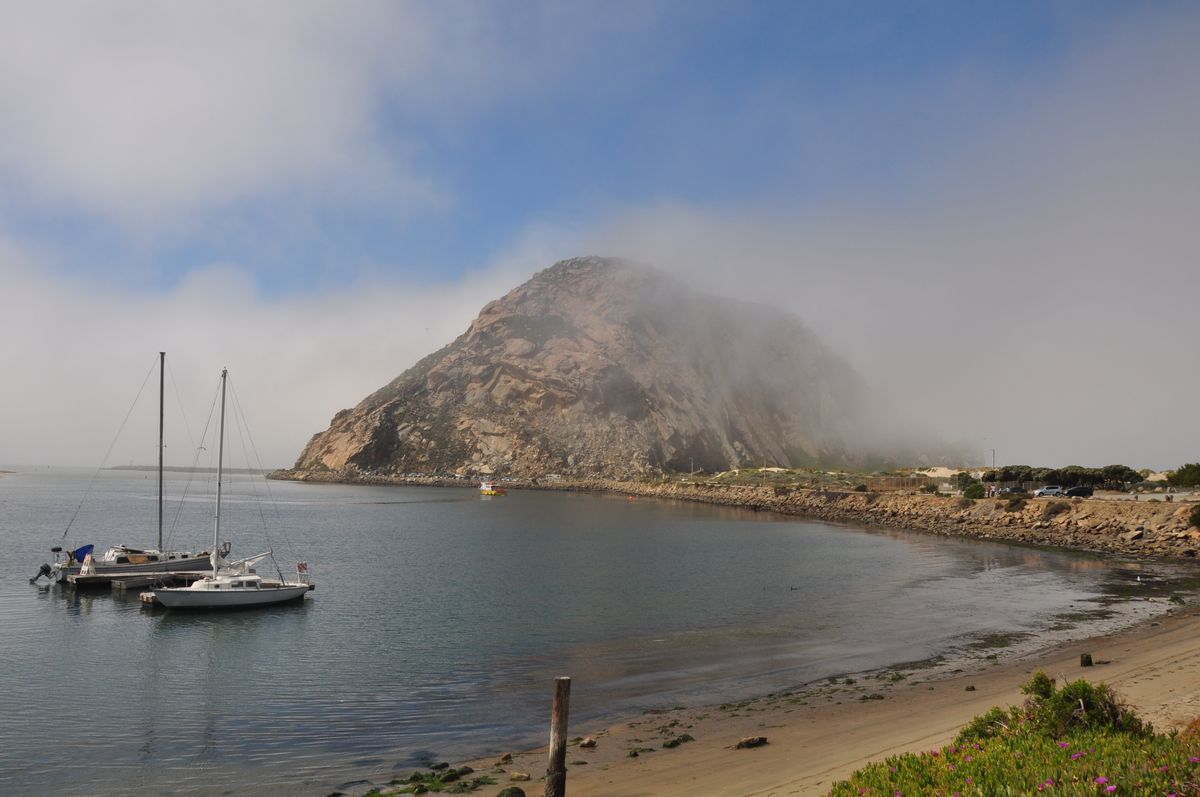
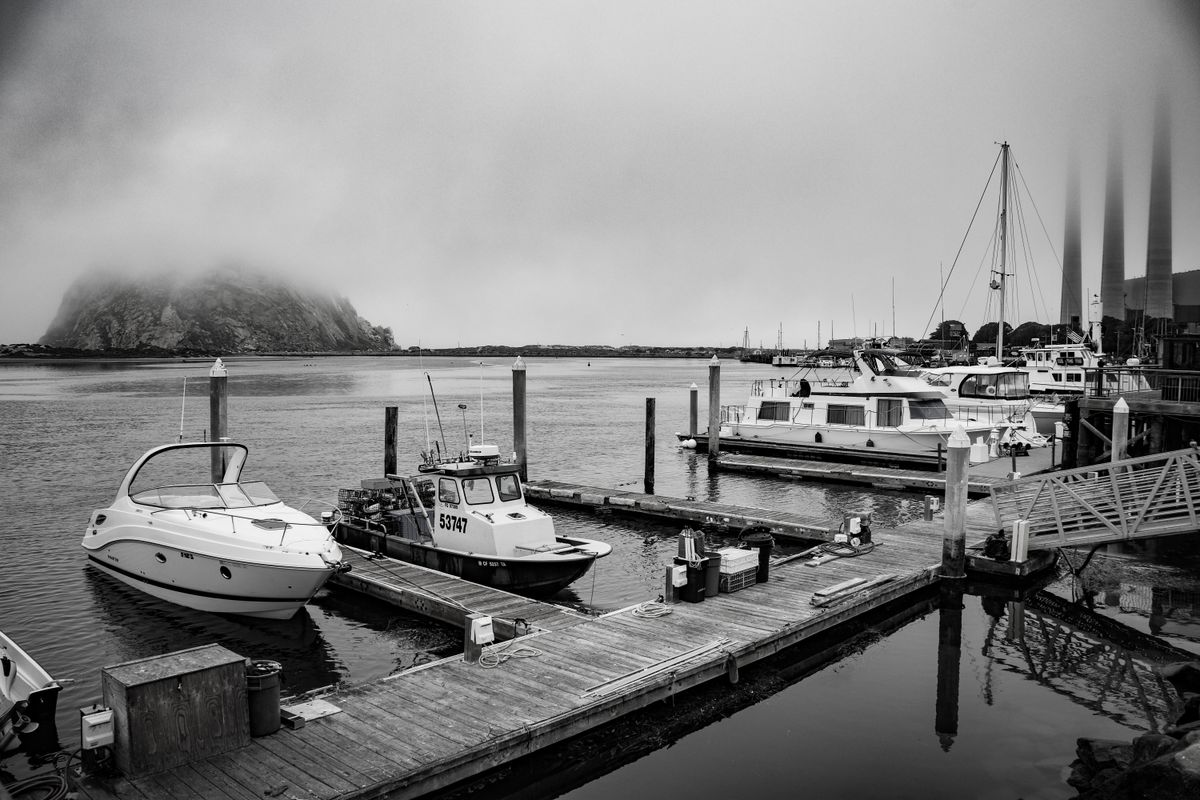
Morro Bay — this is the coast these pages are about.
Quick answer: Crane-Assisted Removal in Morro Bay, CA — Removing a tree is planning before it is cutting: where the wood lands, what is under it, whether a rope or a crane takes the weight, and what is left when the crew drives away. A removal is finished when the drop zone is clear and the stump is dealt with, not when the trunk hits the ground.
- Typical timing: When the tree is a hazard, the schedule is immediate — storm damage, split leaders and leaners do not wait for good weather.
- What it involves: A written plan for the drop zone, rigging or crane work over structures, protecting driveways and roofs, and deciding the stump’s fate in advance.
- The standard: The ANSI Z133 safety standard for arboricultural operations, and ISA best practice for removals near structures.
- Where we work: Small town lots, coastal acreage and the narrow properties of the Cambria pine belt.
- Our own record: 503 pages and 291 stories published on this site. Counted from our own archive, not a stock table.
Field note. What we see here is that access decides the price more than height does: a pine over a fence on a slope with no driveway costs more to take down safely than a taller tree with a clear drop, and the plan is where that shows up.
On the other hand, removal is not the only safe answer — a tree with one failing limb, or a lean that can be corrected by reduction, is often better kept and managed than gone.
There is a stretch of Beach Street where a mature cypress grows out of a strip of ground barely wide enough for a wheelbarrow, with a roof to one side, a parked car to the other, and no room at all for a piece of trunk to fall anywhere. In a case like that the honest tool is not a climber with a rigging line.
It is a crane, and the crane is not there to make the job faster so much as to make the pieces small enough and controlled enough that the job can happen at all.
What a crane actually changes
A climbing crew takes a tree apart in sections small enough for a rope to hold — often a few hundred pounds at a time, because that is what a rigging system and a person aloft can manage. A crane lifts the section whole and sets it down in one motion. That means fewer cuts in a dangerous position, fewer rigging points to trust, and far less time spent above a target.
On a tree that is hollow, dead, or otherwise untrustworthy, that reduction in exposure is the whole reason to bring one.
What a crane setup requires here
The machine has to stand somewhere, and on Morro Bay's narrow blocks that is the hard part:
- Setback and swing radius — the outriggers need a footprint on solid ground, and the boom needs an arc that clears the power drop, the roof eaves and the street trees.
- Ground bearing — the marine terrace and the sandy lots at the south end of town both demand that we know what is under the pads, not merely what the surface looks like.
- The road — a crane on a residential street may mean a closure, and a closure means the city's permission and the neighbours' patience.
- Overhead lines — the service drop from the pole is often the binding constraint, and clearance is worked out before the machine is ordered, never after.
When rigging is the better answer
A crane is not a default. On a tree with a sound structure, decent access, and enough open ground under it, a climbing crew with ropes is quicker, cheaper and lighter on the garden. The crane earns its place when the tree cannot be trusted to hold a person, when the pieces are too heavy to lower safely, when the target sits directly under the work, or when the whole job has to be finished inside a short window.
We look at all four before recommending one, and it costs nothing to be told that the crane is not needed.
What it costs and what it saves
A crane-assisted removal carries a fixed cost that a rigging job does not — the machine and its operator, and on many jobs a lane closure as well. What it usually buys back is time in the air on a tree nobody wants to spend time in, and a lower chance of the piece that gets away from a rope.
On a dead cypress leaning over a garage, that is not a luxury. It is the difference between a plan and a hope.
Have the site looked at
Send a photo that shows the tree and roughly what surrounds it — the house, the street, the wires — and we can usually tell you whether this is a crane job before anyone comes out. Call (805) 927-4414 or use the contact page, and see our services for the wider picture of removal work in town.
Questions, quotes, or just exploring — we’re here to help.